
How do magnetostrictive level gauges solve blind zone issues of traditional radar gauges?
In industrial level measurement applications, accuracy and reliability are paramount. Traditional radar level gauges, while widely used, often face significant limitations that can impact operational efficiency and safety. One of the most persistent challenges with radar technology involves blind zones - areas where measurement becomes unreliable or impossible. These limitations have driven the need for more advanced solutions that can deliver consistent performance across various industrial conditions.
Understanding Radar Level Gauge Blind Zones
Radar level gauges operate by emitting microwave signals toward the liquid surface and measuring the reflected waves. However, this technology encounters inherent limitations that create measurement blind zones. The primary issue occurs in the upper and lower sections of tanks where signal interference, false echoes, and signal saturation disrupt accurate readings. Near the tank top, mounting conditions and structural components create dead zones, while close to the bottom, accumulated sediment and interface layers cause similar challenges. These blind spots compromise inventory accuracy and can lead to costly operational errors in critical processes.
The Magnetostrictive Technology Advantage
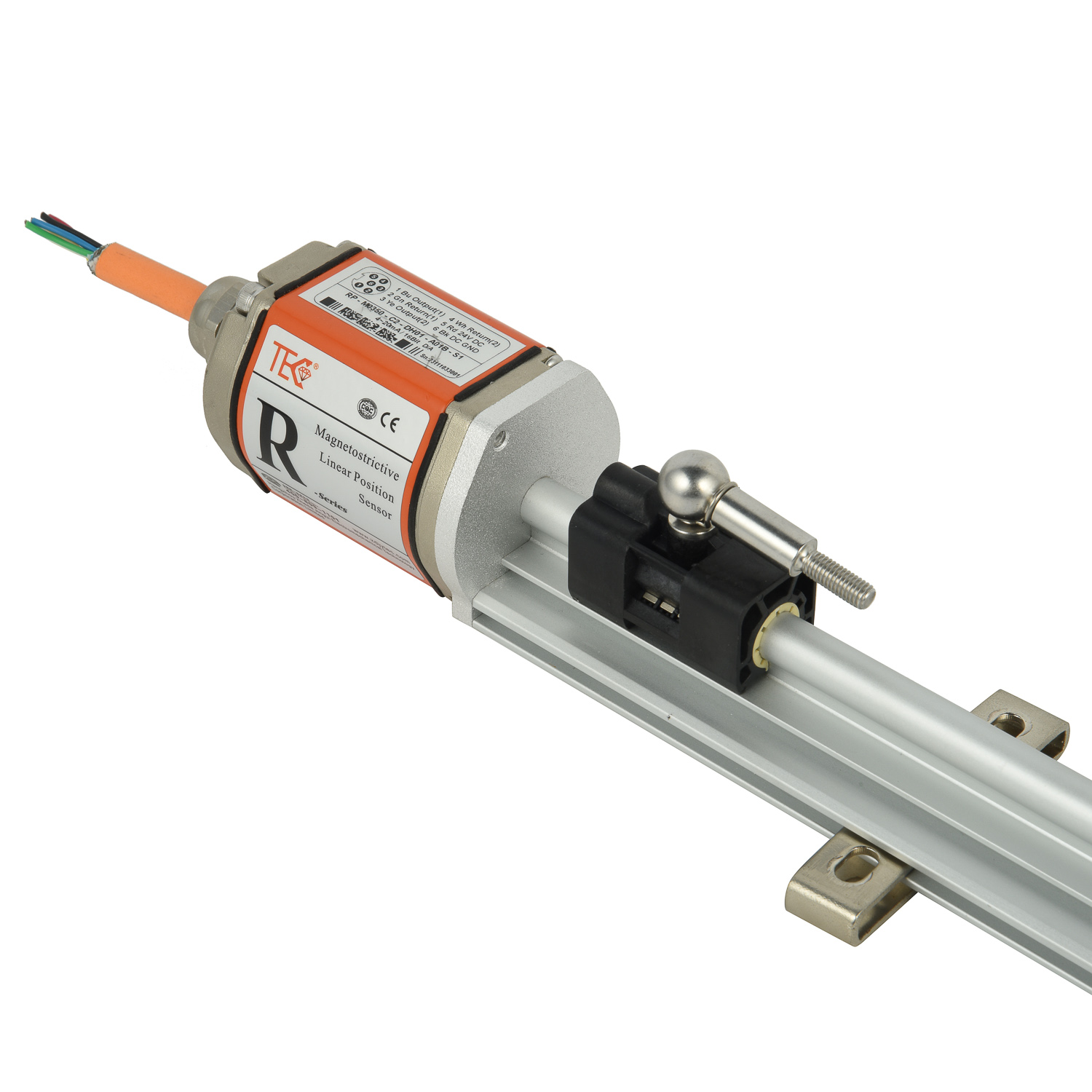
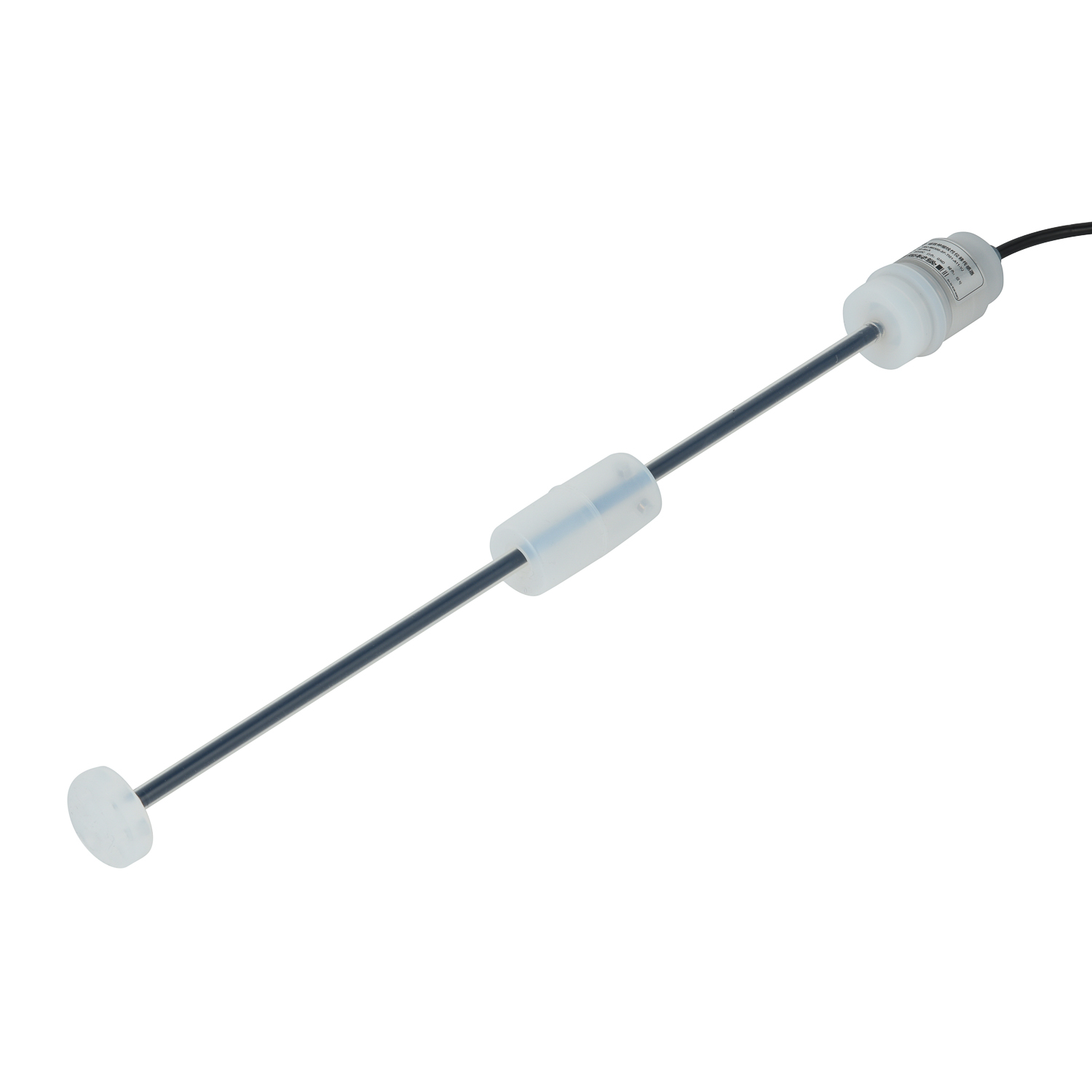
Magnetostrictive level gauges employ a fundamentally different approach that completely eliminates blind zone issues. This sophisticated technology utilizes a magnetostrictive wire enclosed within a protective tube and a permanent magnet mounted on a float that moves with the liquid level. When an electrical current pulse is sent through the wire, it interacts with the magnetic field from the float-mounted magnet, creating a torsional wave that precisely identifies the float position. This direct mechanical measurement principle ensures continuous, uninterrupted level detection from the very bottom to the very top of the tank without any dead zones.
Superior Performance in Challenging Conditions
The absence of blind zones makes magnetostrictive gauges particularly valuable in demanding industrial environments. Unlike radar systems that struggle with foam, vapor, turbulence, and varying dielectric constants, magnetostrictive technology maintains consistent accuracy regardless of process conditions. The direct mechanical coupling between the float and sensing element ensures reliable performance even during rapid level changes or in applications involving interface detection between immiscible liquids. This reliability translates to improved process control, enhanced safety, and more accurate inventory management across diverse industrial applications.
Cost-Effective Measurement Solutions
Beyond technical superiority, magnetostrictive level gauges offer significant economic advantages. The elimination of blind zones reduces the need for multiple instruments or complex calibration procedures required with radar systems. Maintenance requirements are substantially lower since magnetostrictive gauges aren't affected by the buildup, condensation, or antenna fouling that commonly plague radar instruments. The simplified installation process and reduced lifecycle costs make magnetostrictive technology an economically smart choice for both new installations and retrofitting existing radar-based systems.
Future-Proof Industrial Applications
As industries increasingly prioritize digital transformation and Industry 4.0 initiatives, magnetostrictive level gauges provide the foundation for advanced monitoring and control systems. The technology seamlessly integrates with modern control networks and digital communication protocols, offering high-resolution data essential for predictive maintenance and operational optimization. With their proven reliability in eliminating measurement blind zones, magnetostrictive level gauges represent the future of accurate tank level monitoring across petroleum, chemical, pharmaceutical, and water treatment industries where precision measurement directly impacts operational excellence and profitability.
 Graybus Cable Fault
 Field Application of Graybus C
 Model and Specification of Gra
 Import Substitute Graybus Cabl