
What advantages does modular design offer for magnetostrictive level gauges?
In the realm of industrial process control, precision and reliability are non-negotiable. Magnetostrictive level gauges stand as a testament to this principle, providing highly accurate measurements for liquids in diverse sectors from chemical processing to power generation. The underlying technology, which relies on the interaction between a magnetic float and a torsional wave in a waveguide, is inherently robust. However, it is the strategic implementation of modular design that truly unlocks a new echelon of performance and operational excellence for these critical instruments.
Enhanced Flexibility and Customization for Specific Applications
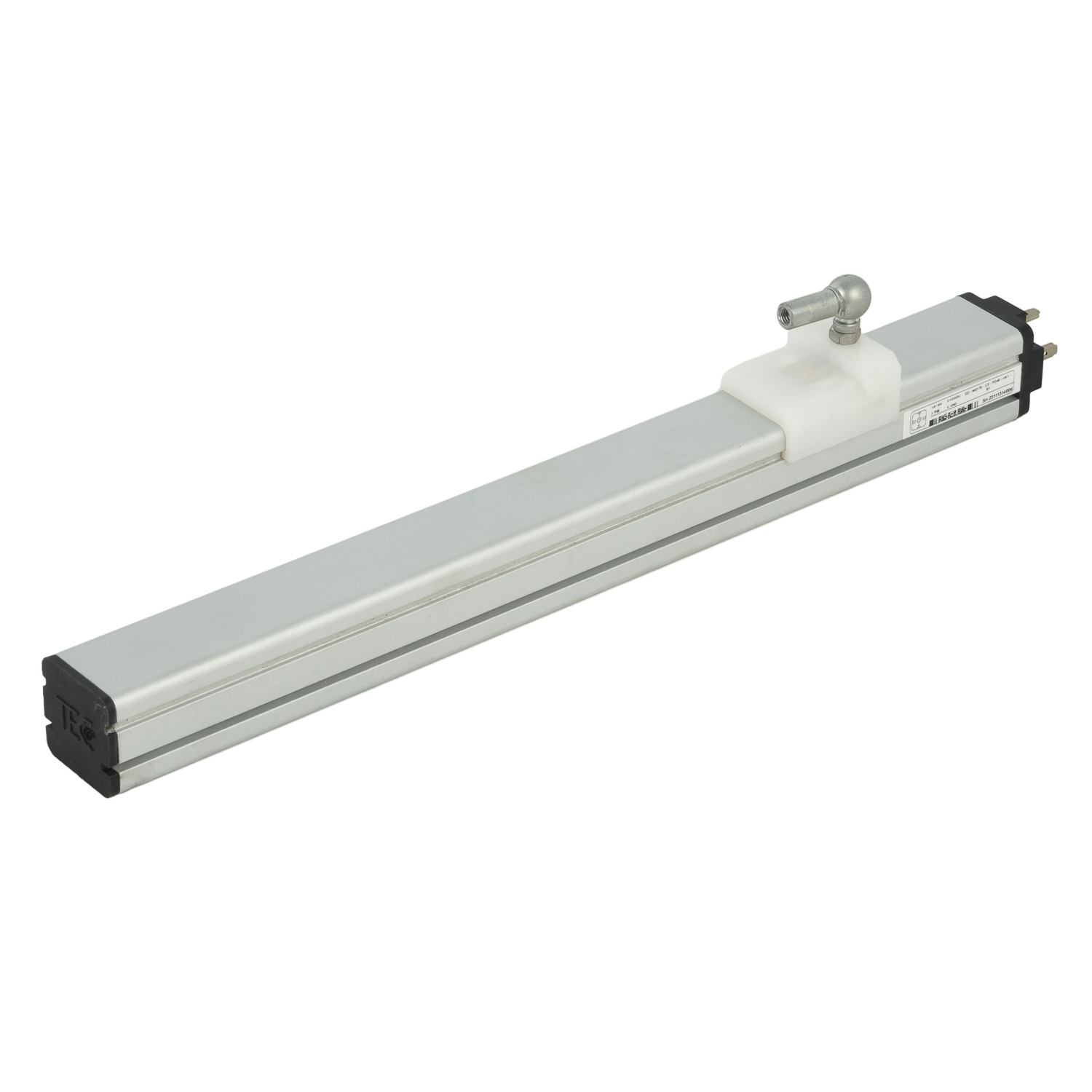
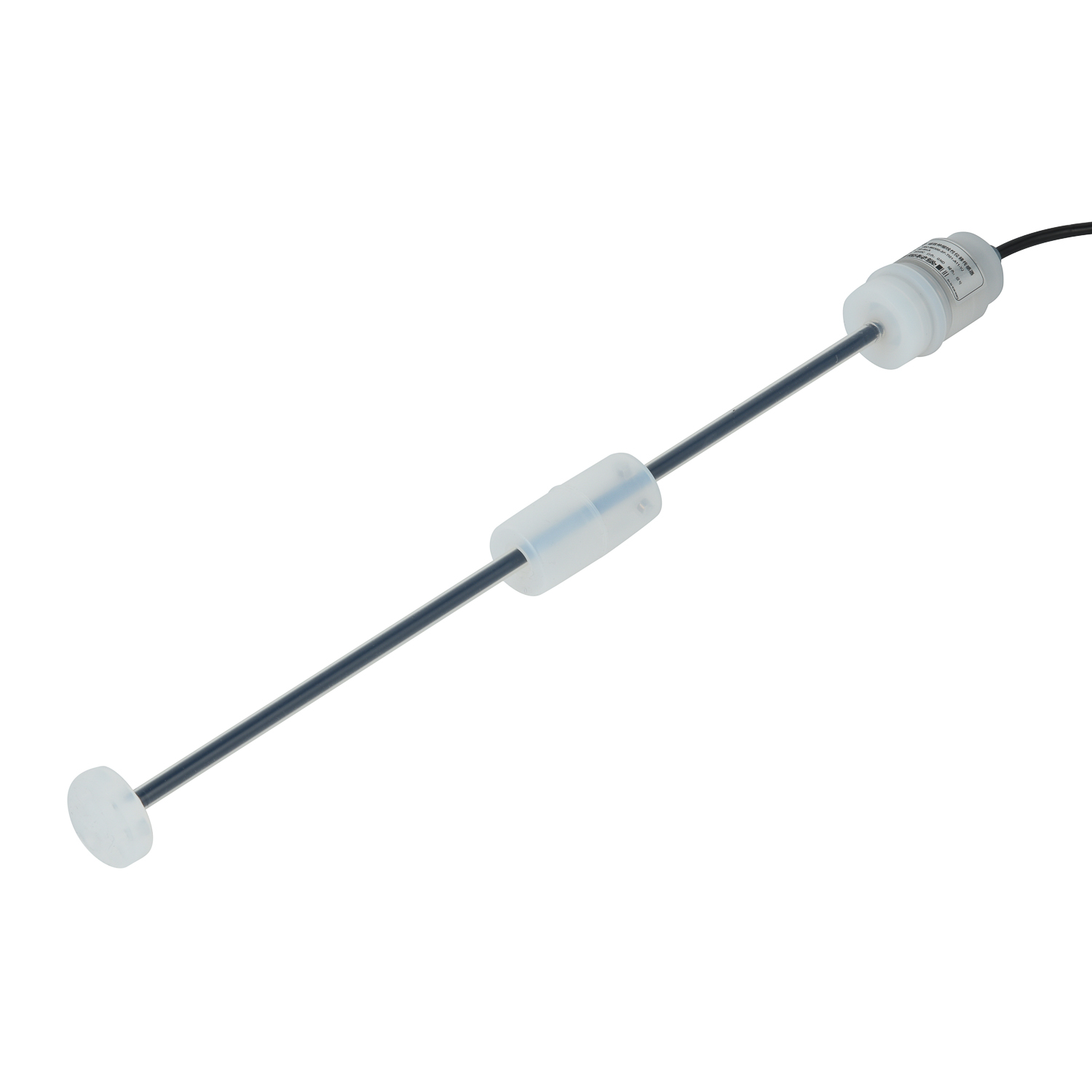
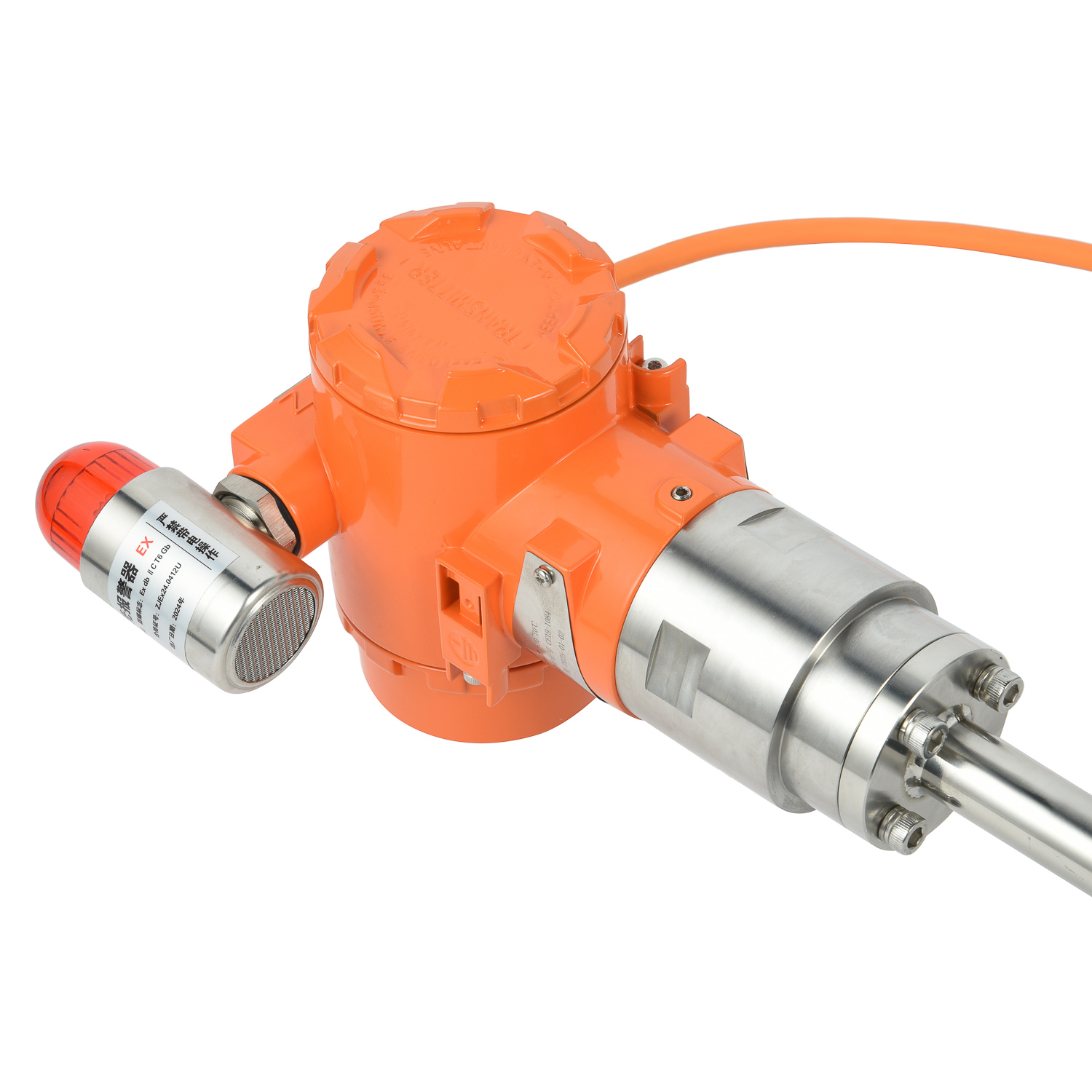
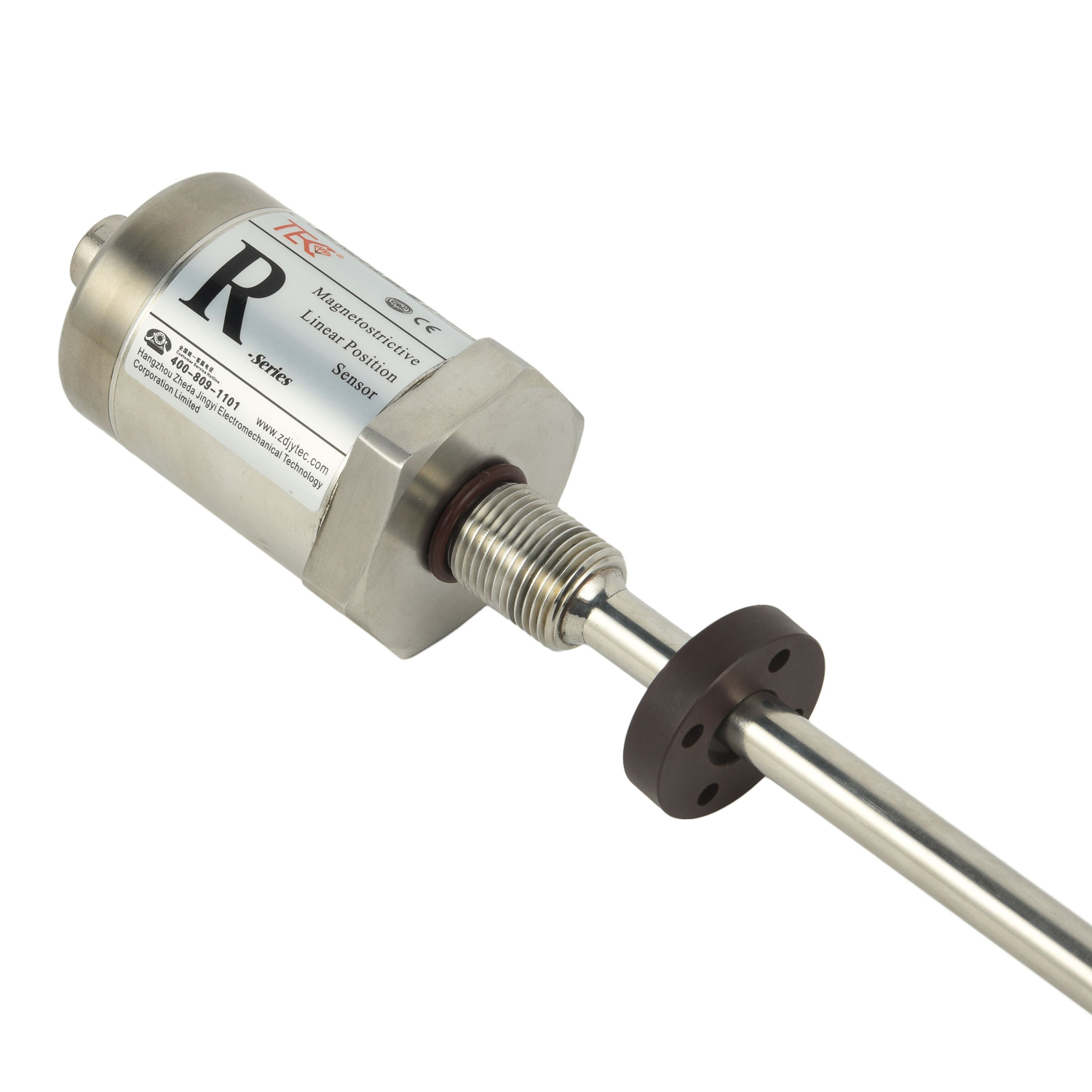
Modular design fundamentally transforms a magnetostrictive level gauge from a static device into a versatile toolkit. Instead of being a single, monolithic unit, the gauge is constructed from independent, interchangeable modules. This includes the core electronics head (the transmitter), the probe or waveguide, the float, and any optional add-ons like temperature sensors or redundant systems. This architecture allows engineers to specify a gauge that is perfectly tailored to their unique process conditions. Whether it's selecting a probe material resistant to a specific corrosive fluid, choosing a float with the correct density and magnetic strength, or integrating additional measurement points, modularity offers unparalleled application-specific customization. This flexibility ensures optimal performance from the moment of installation, directly addressing the varied challenges found across different industries.
Streamlined Maintenance and Drastic Reduction in Downtime
Perhaps the most significant operational advantage of a modular magnetostrictive level gauge is the radical simplification of maintenance and repair. In a traditional, non-modular device, a single point of failure—such as a damaged probe or an electronics malfunction—could necessitate the removal and replacement of the entire gauge. This process is time-consuming, costly, and leads to extended process downtime. With a modular design, maintenance becomes a swift, targeted procedure. If the electronics module fails, it can be unplugged and replaced on-site in minutes without disturbing the probe, which remains safely installed in the tank. This "swap-and-go" approach slashes mean time to repair (MTTR), ensuring that processes are back online rapidly and minimizing production losses.
Significant Cost-Effectiveness and Inventory Optimization
The financial benefits of adopting a modular design philosophy are substantial and multifaceted. By enabling the replacement of individual components instead of the entire assembly, life-cycle costs are dramatically reduced. Facilities no longer need to stock complete, expensive gauge units as spares. Instead, they can maintain a smaller, more manageable inventory of common modular components, such as a single spare electronics module that can service dozens of gauges of the same type across the plant. This optimizes capital tied up in spare parts and simplifies logistics. Furthermore, the ability to upgrade specific modules, like the electronics for a new communication protocol, extends the functional lifespan of the entire measurement system, protecting the initial investment.
Improved Serviceability and Simplified Diagnostic Procedures
Modular magnetostrictive level gauges are inherently easier to service and diagnose. Technicians can isolate issues to a specific module quickly. For instance, if a gauge provides an erroneous reading, the electronics module can be easily disconnected and tested separately from the probe and float assembly. This modular isolation accelerates the troubleshooting process, allowing personnel to pinpoint the root cause—be it a calibration error in the electronics, a damaged probe, or a stuck float—with greater speed and accuracy. This clarity not only fixes problems faster but also prevents the unnecessary replacement of functional components, leading to more efficient and intelligent maintenance practices.
Future-Proofing and Effortless Technology Upgrades
In an era of rapid technological advancement, the ability to future-proof instrumentation is a critical strategic advantage. A modular magnetostrictive level gauge is designed with evolution in mind. As new technologies emerge—such as enhanced digital signal processing, new communication protocols like IO-Link or advanced HART revisions, or improved diagnostic capabilities—the gauge can be updated by simply replacing the electronics module. This means a facility can adopt the latest technological features without the prohibitive cost and effort of a full sensor replacement, including vessel entry permits and process shutdowns. Modular design ensures that your level measurement system remains at the cutting edge, adaptable to the future needs of the digital plant.
 Graybus Cable Fault
 Field Application of Graybus C
 Model and Specification of Gra
 Import Substitute Graybus Cabl