
How to implement freeze-proof level gauges using magnetostrictive technology?
Understanding Magnetostrictive Level Measurement Principles
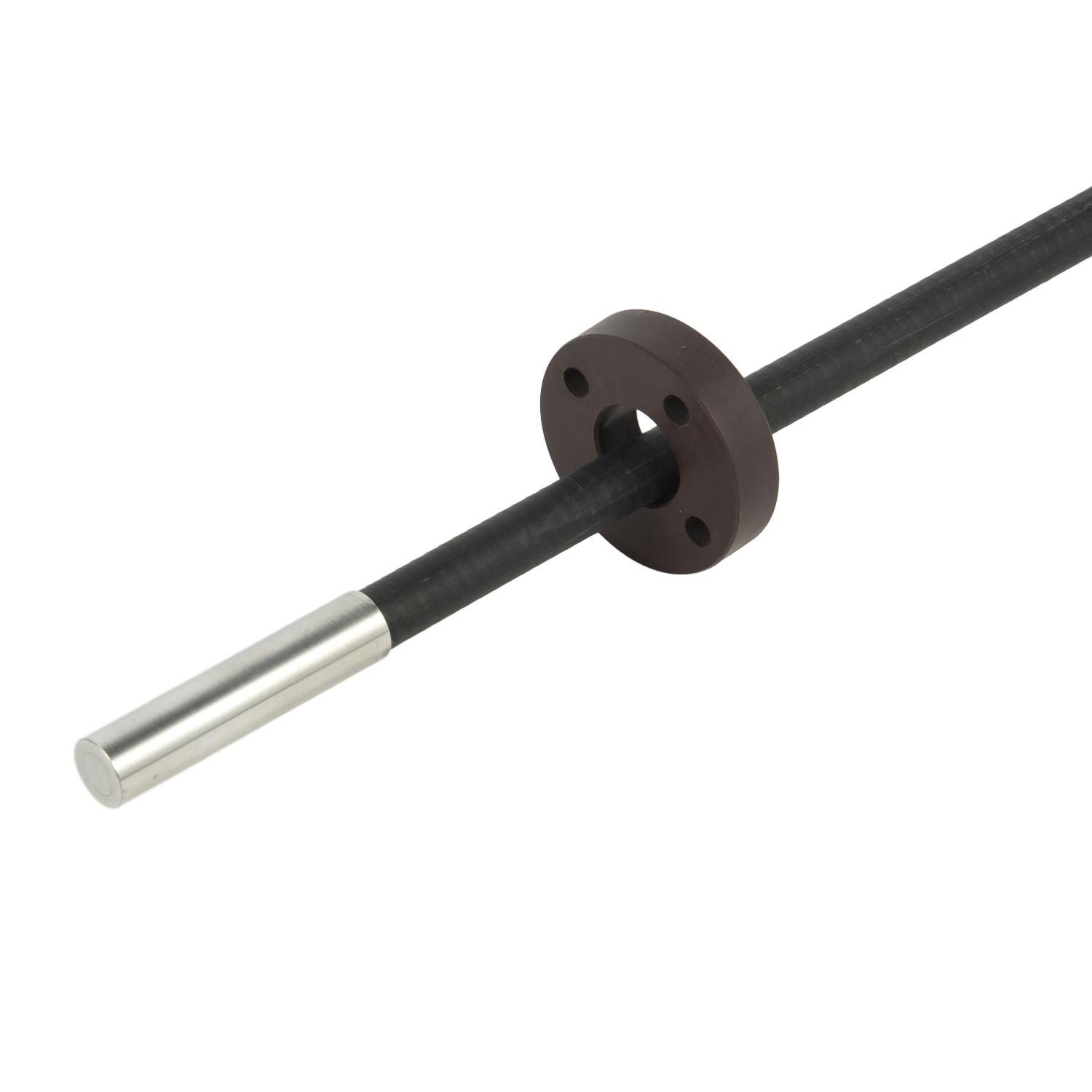
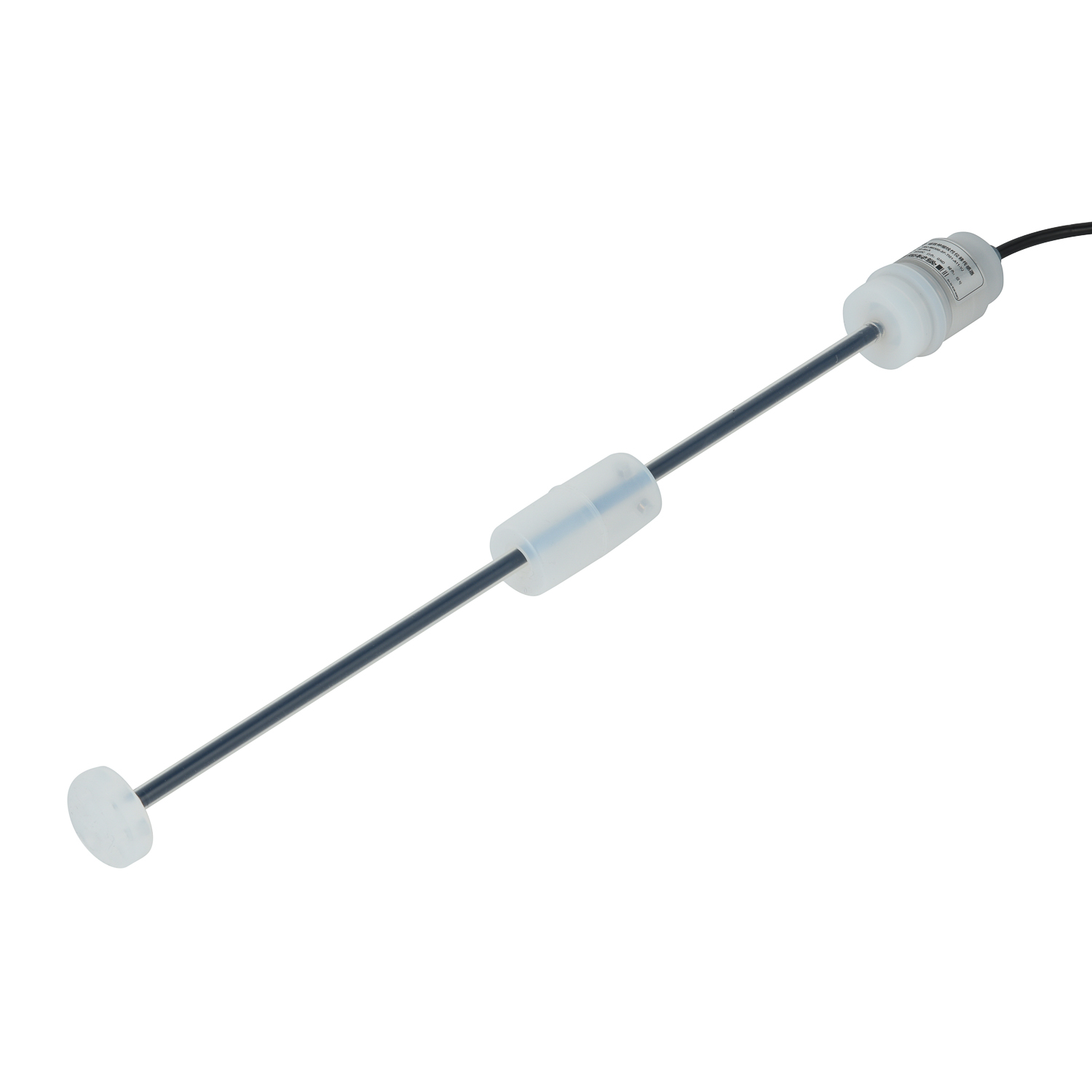
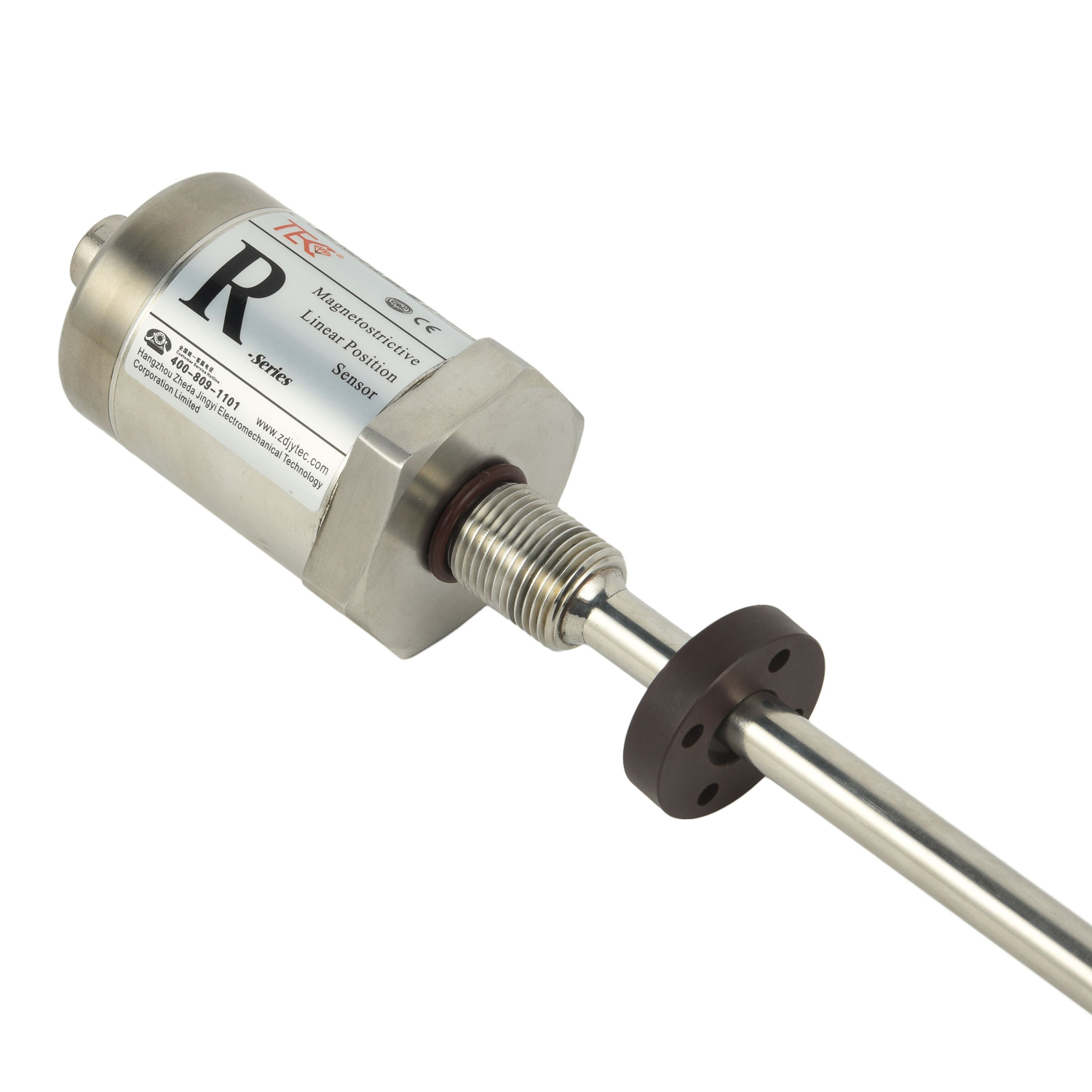
Magnetostrictive level gauges operate on a sophisticated physical principle where a magnetic field interacts with a magnetostrictive wire to determine precise liquid levels. The technology utilizes the magnetostrictive effect - where ferromagnetic materials change their shape when exposed to magnetic fields. A current pulse sent through the waveguide wire creates a torsional stress wave when it encounters the magnetic field from the float-mounted permanent magnet. By measuring the time delay between pulse transmission and wave detection, the system calculates the exact float position with remarkable accuracy, typically within millimeters. This non-contact measurement method ensures reliable performance even in demanding industrial environments where temperature variations and harsh conditions challenge conventional level measurement devices.
Why Magnetostrictive Technology Excels in Freezing Conditions
The inherent design characteristics of magnetostrictive level gauges make them exceptionally suitable for freeze-proof applications. Unlike mechanical floats or capacitance-based systems, magnetostrictive sensors have no moving parts that can freeze or bind in low-temperature environments. The hermetically sealed probe construction prevents moisture ingress that could lead to ice formation and measurement failures. Advanced models feature specialized coatings and materials that withstand thermal contraction and expansion without compromising measurement integrity. The technology maintains calibration stability across wide temperature ranges from cryogenic conditions to elevated temperatures, ensuring consistent performance where other level measurement technologies would falter. This reliability makes magnetostrictive gauges ideal for LNG storage, chemical processing, and refrigeration systems where freezing conditions are prevalent.
Critical Design Considerations for Freeze-Proof Applications
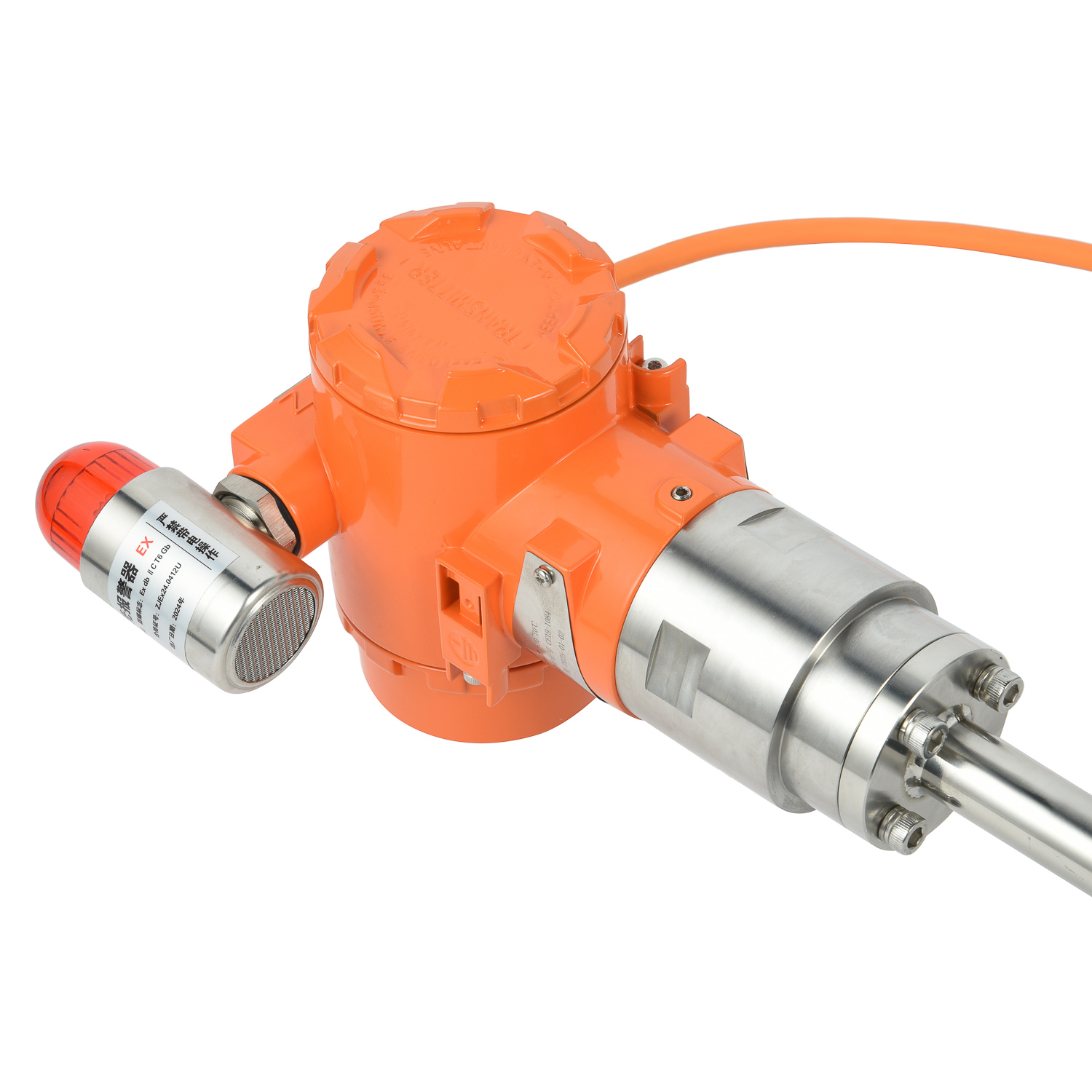
Implementing effective freeze-proof magnetostrictive level gauges requires careful attention to several design elements. Material selection proves crucial - stainless steel housings and specific alloy compositions provide necessary corrosion resistance and structural integrity in freezing environments. Thermal management systems, including strategically placed heating elements or insulation jackets, prevent ice accumulation on critical components. The float design must account for liquid density changes at various temperatures, ensuring proper buoyancy characteristics across the entire operational range. Electronics compartment heating maintains optimal circuitry performance while preventing condensation-related damage. Proper stem mounting orientation and insertion length calculations account for tank geometry and potential ice buildup patterns. These considerations collectively ensure the level gauge delivers accurate measurements despite challenging thermal conditions.
Installation Best Practices for Reliable Cold Weather Operation
Proper installation techniques significantly enhance the freeze-proof capabilities of magnetostrictive level gauges. Positioning the sensor away from tank inlets and mixing zones minimizes exposure to splashing and subsequent ice formation. Ensuring adequate clearance around the probe prevents ice bridging between the gauge and tank walls. Conduit systems must slope downward away from the electronics housing to prevent moisture migration and freezing in cable pathways. When installing in existing tanks, thorough cleaning of mounting nozzles eliminates contaminants that could compromise seal integrity. Calibration should occur after temperature stabilization to account for thermal effects on measurement accuracy. Implementing these installation protocols creates a robust foundation for long-term reliable operation in freezing environments, reducing maintenance requirements and maximizing measurement precision.
Maintenance Protocols Ensuring Long-Term Freeze Protection
Regular maintenance sustains the freeze-proof performance of magnetostrictive level gauges over their operational lifespan. Quarterly inspections should verify the integrity of heating systems and insulation materials, especially before winter months. Float mechanism checks ensure free movement without ice obstruction, while electronic calibration validation maintains measurement accuracy. Moisture intrusion points require particular attention, with seal integrity tests preventing internal ice formation. Diagnostic features inherent to modern magnetostrictive gauges facilitate proactive maintenance by tracking performance trends and alerting operators to potential issues before they cause measurement errors or equipment failure. These maintenance practices, combined with the technology's inherent durability, deliver exceptional reliability in the most demanding freeze-prone applications.
 Graybus Cable Fault
 Field Application of Graybus C
 Model and Specification of Gra
 Import Substitute Graybus Cabl