
How to enable dual-level synchronous monitoring with magnetostrictive technology?
Understanding Magnetostrictive Level Sensing Fundamentals
Magnetostrictive technology represents a significant advancement in precision level measurement systems. This sophisticated method operates on the principle of magnetostriction, where certain materials change their shape or dimensions when subjected to a magnetic field. The core components include a sensing rod made of magnetostrictive wire, a float containing permanent magnets that moves along the rod, and an electronic transducer module. When current pulses are sent through the wire, they interact with the magnetic field from the float, creating torsional stress waves that travel back to the transducer. The system measures the time difference between pulse transmission and wave return to determine exact float position with remarkable accuracy, typically within millimeters.
Implementing Dual-Level Monitoring Configuration
Dual-level synchronous monitoring requires strategic placement of multiple magnetic floats along a single magnetostrictive sensor rod. Each float is programmed to monitor specific level points within a tank or vessel, allowing simultaneous tracking of different liquid interfaces or alarm thresholds. The configuration begins with selecting appropriate float materials compatible with your process media, followed by precise positioning along the sensor length. Modern magnetostrictive systems feature programmable electronics that can distinguish signals from multiple floats, enabling true synchronous measurement without signal interference. This setup provides continuous monitoring of both primary and secondary levels, such as interface detection between oil and water, or high-high and low-low alarm points in storage tanks.
Integrating Synchronous Measurement Electronics

The electronic control unit forms the brain of your dual-level monitoring system, processing signals from multiple floats with sophisticated timing algorithms. Advanced signal processing techniques ensure that measurements from both levels are captured simultaneously, eliminating the delays common in sequential scanning systems. Integration involves configuring the transducer to recognize distinct magnetic signatures from each float and establishing communication protocols with your control system. Modern units offer various output options including 4-20mA analog signals, HART protocol, Foundation Fieldbus, or Profibus PA, ensuring compatibility with existing industrial automation infrastructure. The electronics also provide temperature compensation and diagnostic functions to maintain accuracy across varying operating conditions.
Optimizing Installation for Maximum Accuracy
Proper installation is crucial for achieving optimal performance in dual-level magnetostrictive monitoring systems. Begin by selecting an appropriate mounting location that avoids turbulent areas or obstructions that might affect float movement. The sensor should be mounted vertically with sufficient clearance from tank walls and internal structures. For guided wave applications in stilling wells or cages, ensure smooth internal surfaces to prevent float hang-up. Calibration involves setting the upper and lower range values corresponding to your specific application requirements. Regular maintenance checks should include verification of float freedom, inspection for mechanical damage, and electronic calibration checks to maintain measurement integrity over time.
Applications and Benefits Across Industries
Dual-level synchronous monitoring with magnetostrictive technology finds extensive applications across numerous industries including chemical processing, oil and gas, pharmaceuticals, and water treatment plants. The system excels in applications requiring interface detection between immiscible liquids, sediment level monitoring, or redundant safety point measurement. Key benefits include exceptional accuracy reaching ±0.05% of full scale, reliability in harsh environments with temperatures up to 200°C and pressures exceeding 100 bar, minimal maintenance requirements due to non-contact measurement principle, and reduced installation costs through single-point access requirements. The technology's immunity to density variations, dielectric constant changes, and conductivity fluctuations makes it superior to many alternative level measurement methods.
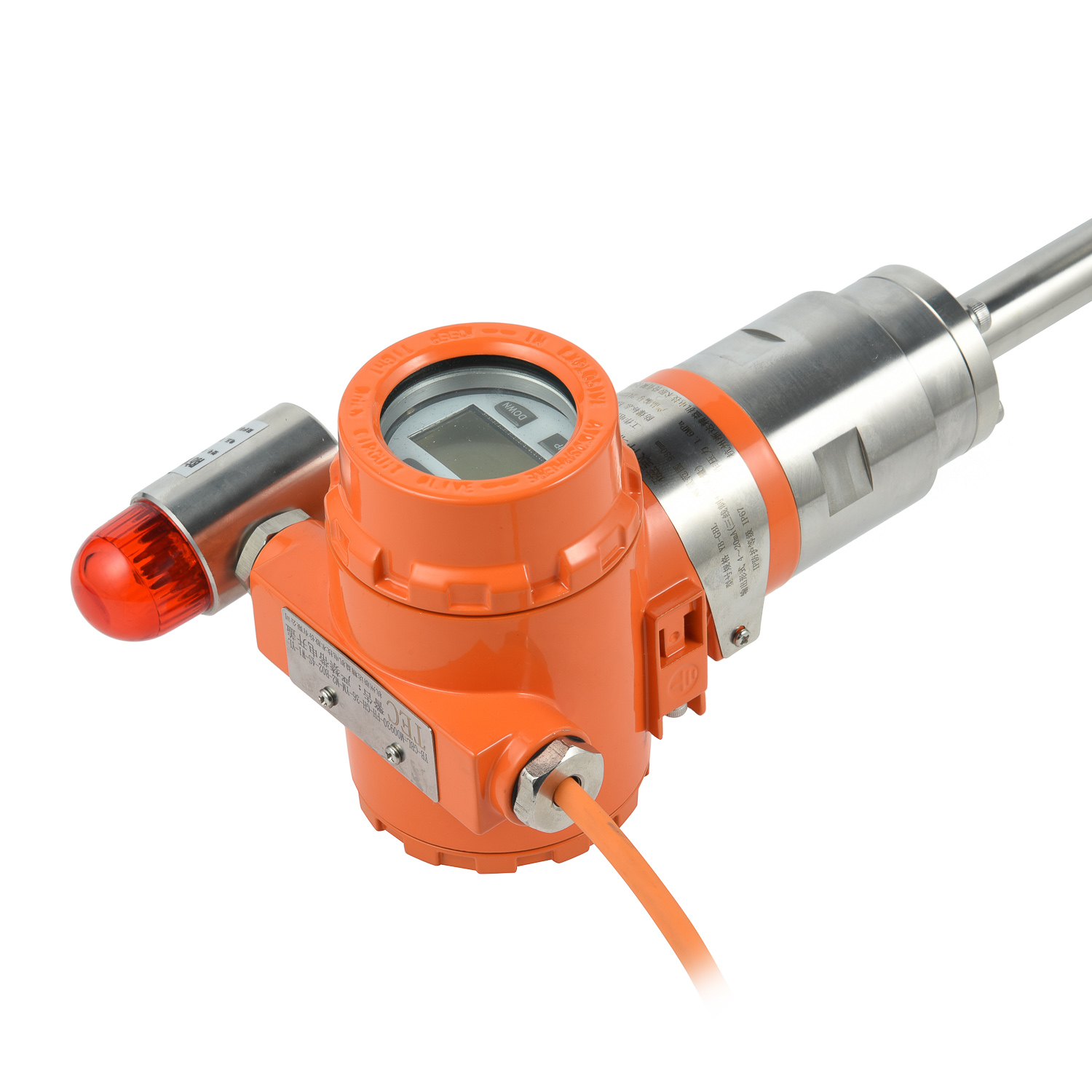 Intrinsically Safe Explosion-p
 Explosion-proof Magnetostricti
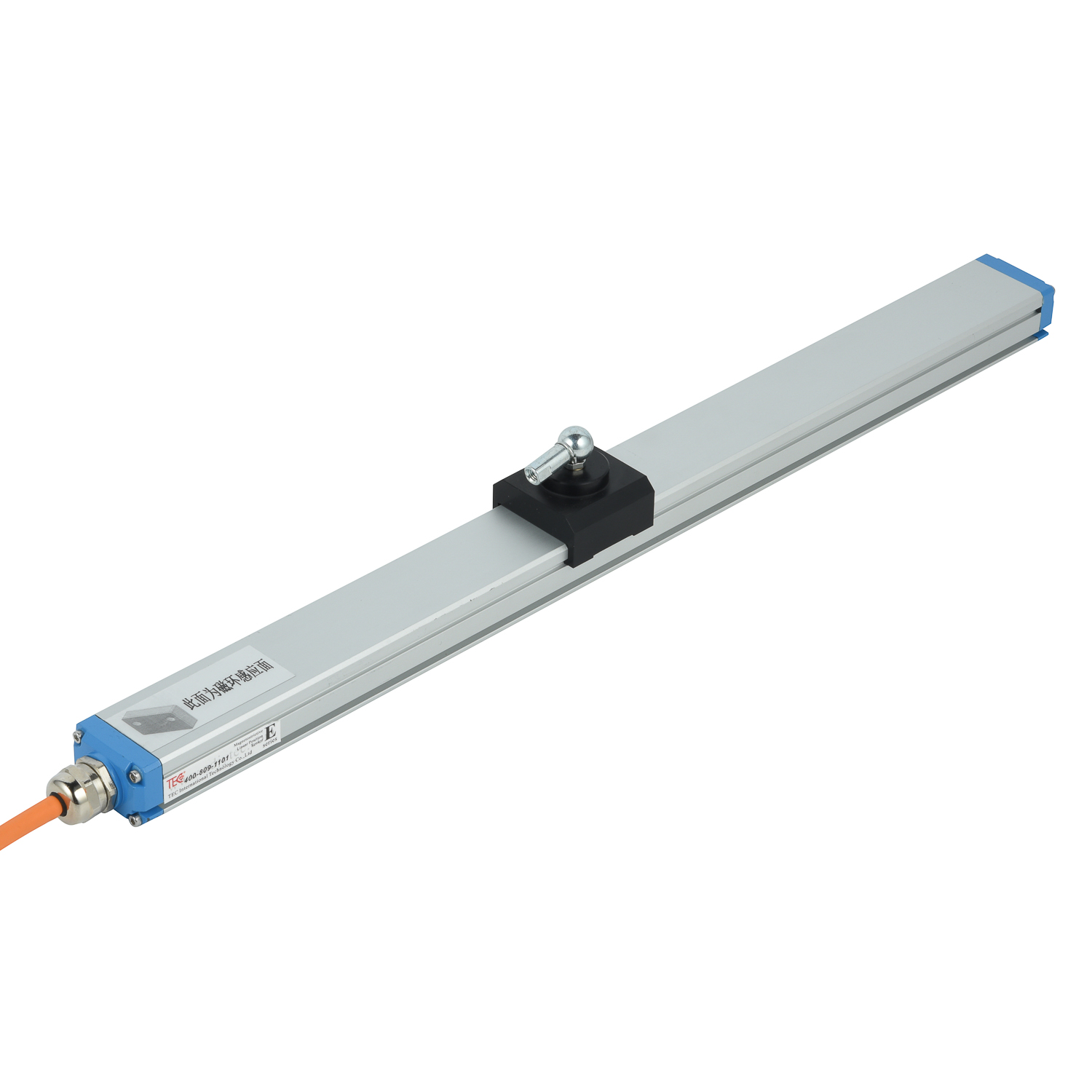 Magnetostrictive Displacement
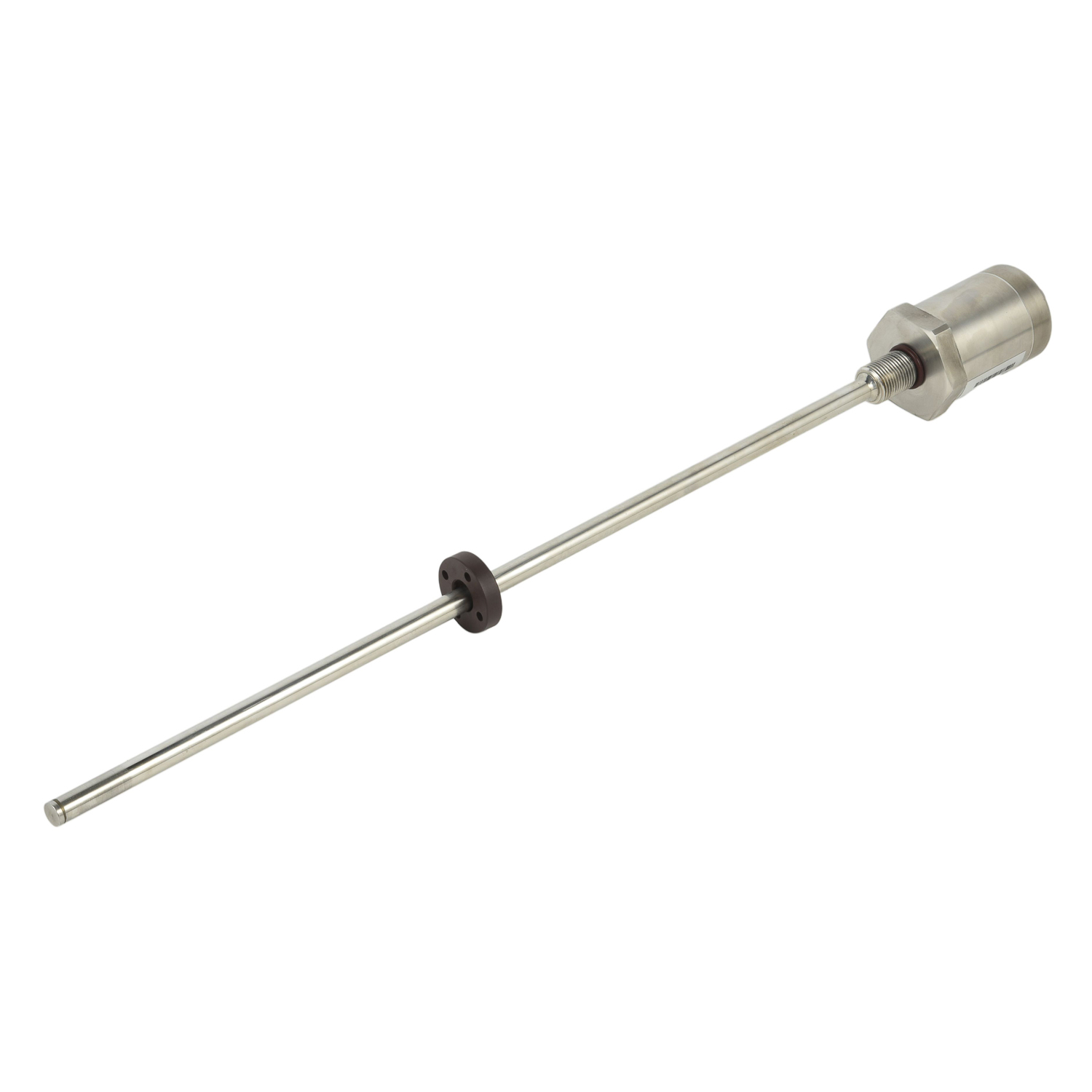 Mining High-temperature Electr