
What does IP68 protection rating mean for magnetostrictive sensors?
In the demanding world of industrial automation and precision measurement, equipment durability is non-negotiable. For magnetostrictive sensors, which provide critical position and level data, their operational environment can often be harsh. This is where the IP68 protection rating becomes a cornerstone of reliability, signifying a level of robustness that guarantees performance where it matters most.
Understanding the IP Code: Breaking Down the Numbers
The IP Code, or Ingress Protection rating, is an international standard (IEC 60529) that classifies the degree of protection provided by an enclosure against solid objects and liquids. The code consists of the letters "IP" followed by two digits. The first digit indicates protection against solid particles, ranging from 0 (no protection) to 6 (dust-tight). The second digit indicates protection against moisture, ranging from 0 (no protection) to 8 (protection against prolonged immersion under pressure). For a sensor to be rated IP68, it must offer the highest level of dust protection (6) and a superior level of water protection (8), specifically against continuous submersion.
What IP68 Specifically Means for Sensor Enclosures
An IP68 rating for a magnetostrictive sensor means its housing is completely sealed against dust. No dust particles of any size can enter the enclosure, which is vital in gritty industrial settings like mining, metalworking, or food processing plants where particulate contamination can cause sensor failure. Furthermore, the "8" denotes that the sensor can withstand continuous immersion in water under conditions specified by the manufacturer, which often exceed a depth of 1 meter for extended periods (e.g., 30 minutes at 1.5 meters). This makes the sensor impervious to high-pressure washdowns, accidental submersion, and operation in wet environments.
Benefits of IP68 in Harsh Industrial Environments
The primary advantage of an IP68-rated magnetostrictive sensor is its exceptional reliability. In applications such as hydraulic cylinder positioning, marine equipment, or food and beverage production, sensors are routinely exposed to water, chemicals, and cleaning agents. The IP68 seal ensures that the sensitive internal electronics, including the magnetostrictive waveguide and circuitry, remain completely isolated from these elements. This directly translates to reduced downtime, lower maintenance costs, and a significantly longer operational lifespan, providing a strong return on investment.
IP68 vs. Other Common Protection Ratings
It's crucial to distinguish IP68 from other common ratings. An IP67 rating, for example, protects against temporary immersion in water (up to 1 meter for 30 minutes), but not prolonged submersion. IP69K offers protection against high-pressure, high-temperature washdowns but does not necessarily guarantee performance during long-term immersion. Therefore, IP68 is uniquely suited for applications where sensors are permanently or frequently located in submerged or water-saturated conditions, offering a specific and critical guarantee of durability that other ratings do not provide.
Ensuring Your Sensor Maintains Its IP68 Integrity
Achieving an IP68 rating requires precision engineering, typically involving specialized seals, gaskets, and laser-welded housings. To maintain this integrity throughout the sensor's life, users must ensure that any cable glands or connectors are also appropriately rated and properly installed. Regular inspection for physical damage to the enclosure is recommended. It is also important to adhere to the manufacturer's specified conditions for immersion, such as maximum depth and duration, to guarantee continuous protection.
Conclusion: A Vital Feature for Uncompromising Performance

In summary, the IP68 protection rating is not merely a specification but a promise of resilience for magnetostrictive sensors. It certifies that the device is built to survive and perform accurately in the most challenging environments, immune to the damaging effects of dust and water. When selecting a sensor for applications where exposure to these elements is inevitable, choosing an IP68-rated magnetostrictive sensor is a decisive step toward ensuring long-term system reliability, accuracy, and operational efficiency.
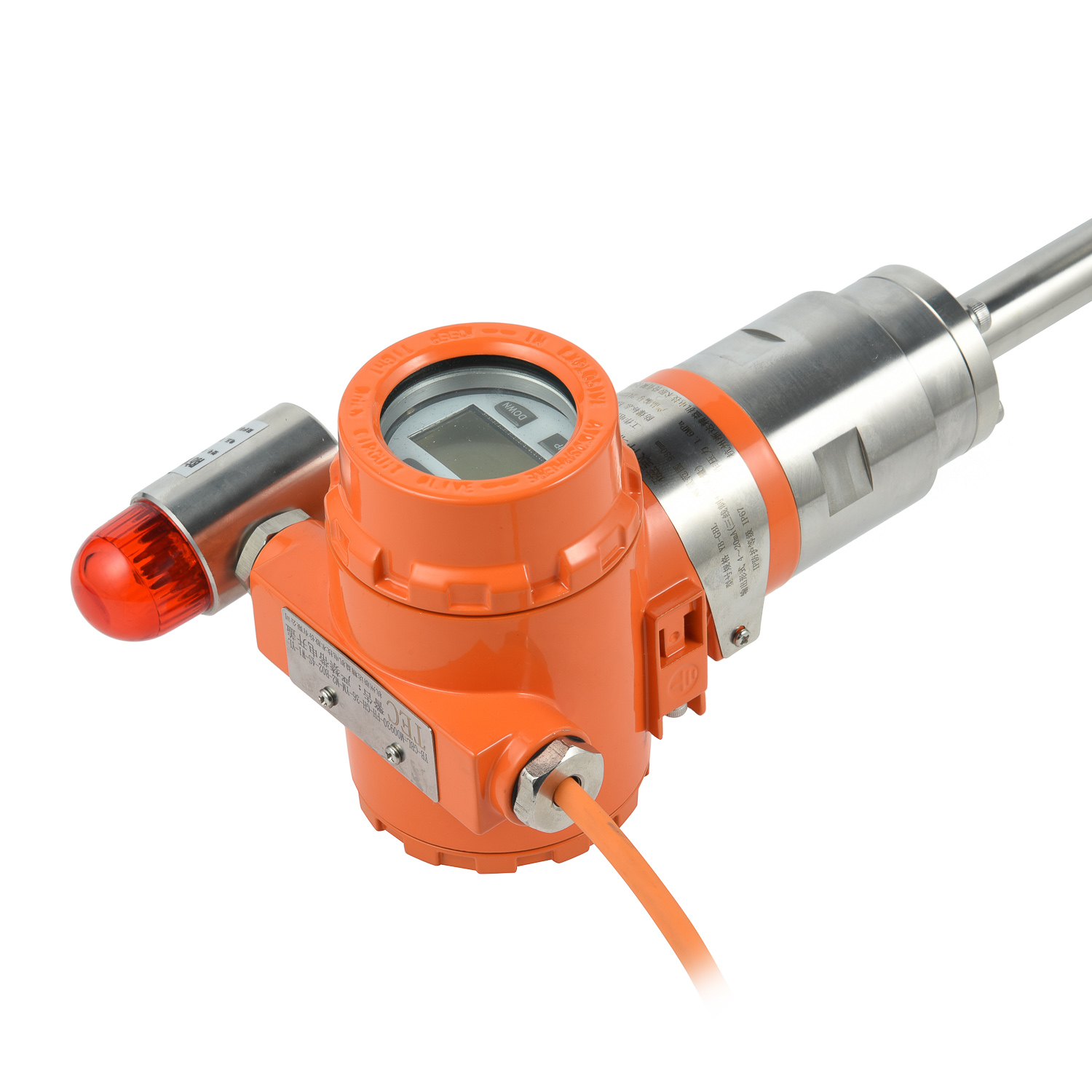 Intrinsically Safe Explosion-p
 Explosion-proof Magnetostricti
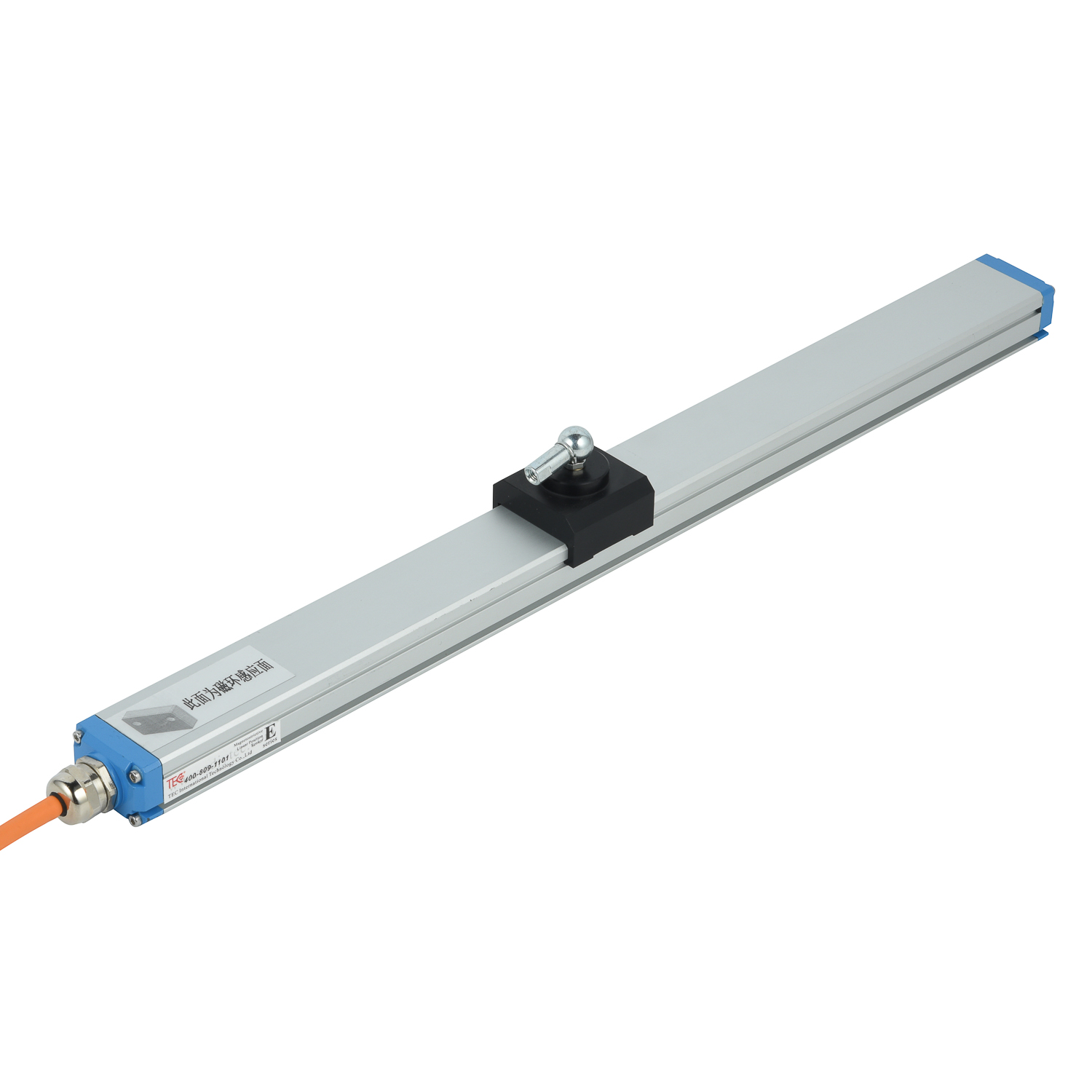 Magnetostrictive Displacement
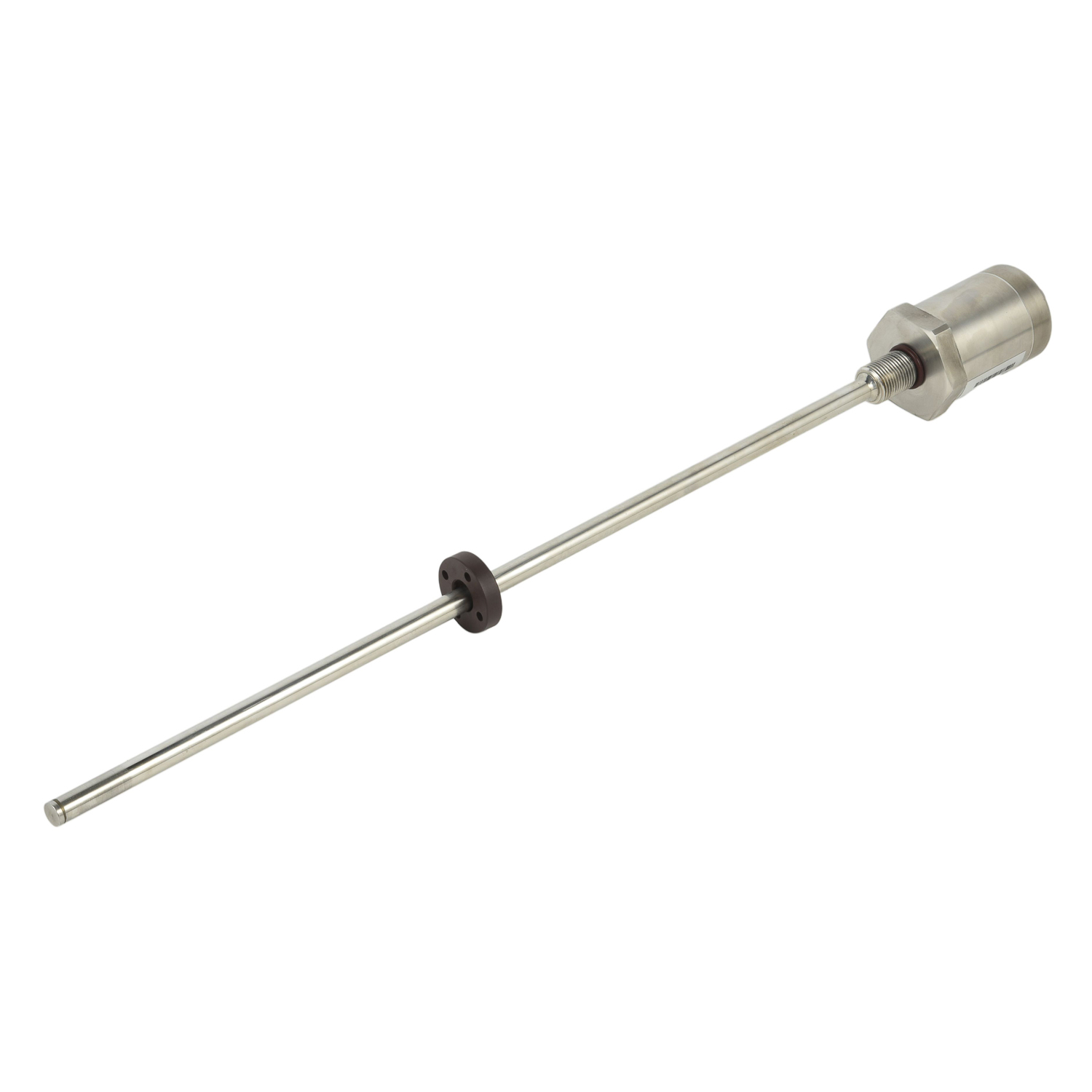 Mining High-temperature Electr