
What smart transportation applications use magnetostrictive sensors?
Introduction to Magnetostrictive Sensor Technology
Magnetostrictive sensors represent a sophisticated class of transducers that convert magnetic fields into mechanical strain or vice versa, utilizing the magnetostrictive effect. In the realm of smart transportation, these sensors provide unparalleled precision in measuring position, force, and torque. Their inherent robustness, high accuracy, and ability to function in harsh environments make them exceptionally suitable for the demanding requirements of modern transportation infrastructure. Unlike conventional sensors, magnetostrictive variants offer non-contact measurement capabilities, leading to reduced maintenance needs and enhanced longevity, which are critical for continuous operation in transit systems.
Vehicle Detection and Traffic Monitoring Systems
A primary application of magnetostrictive sensors lies in advanced vehicle detection and traffic flow analysis. Installed within roadways or at strategic points like intersections and highway on-ramps, these sensors accurately detect the presence, speed, and classification of vehicles. They work by generating a magnetic field and detecting distortions caused by metallic vehicle bodies. This real-time data is integral to intelligent traffic management systems, enabling dynamic traffic light control, congestion management, and efficient traffic flow optimization. The high-resolution data provided helps in reducing commute times and improving overall urban mobility.
Weigh-in-Motion (WIM) Technology for Commercial Vehicles
Magnetostrictive sensors are fundamental components in Weigh-in-Motion systems, which are crucial for monitoring commercial vehicle weights without requiring them to stop. By measuring the strain induced by a moving vehicle's axles on a sensor embedded in the road, these systems provide accurate weight data. This application is vital for enforcing weight regulations, preserving road infrastructure by preventing overload damage, and enhancing safety by identifying potentially hazardous overloaded trucks. The reliability of magnetostrictive technology ensures consistent performance under high-volume traffic conditions.
Railway System Monitoring and Safety Assurance
In railway transportation, safety and precision are paramount. Magnetostrictive sensors are extensively used for critical monitoring tasks, such as measuring the precise position of train cars on tracks, monitoring switch point positions, and assessing wheel flange integrity. They provide feedback for automated train control systems, ensuring safe braking distances and accurate stopping positions at station platforms. Furthermore, they are employed in condition monitoring systems to detect irregularities in rail tracks and rolling stock, enabling predictive maintenance and preventing potential failures.
Advanced Driver-Assistance Systems (ADAS)
The evolution towards autonomous and semi-autonomous vehicles has increased the demand for highly reliable sensors. Magnetostrictive sensors contribute to ADAS by providing precise measurements of steering torque, throttle position, and brake pressure. This data is essential for systems like electronic stability control, lane-keeping assistance, and adaptive cruise control. The technology's fast response time and durability under varying temperatures and vibrations make it a trusted component for enhancing vehicle safety and driving automation.
Smart Parking Solutions and Guidance
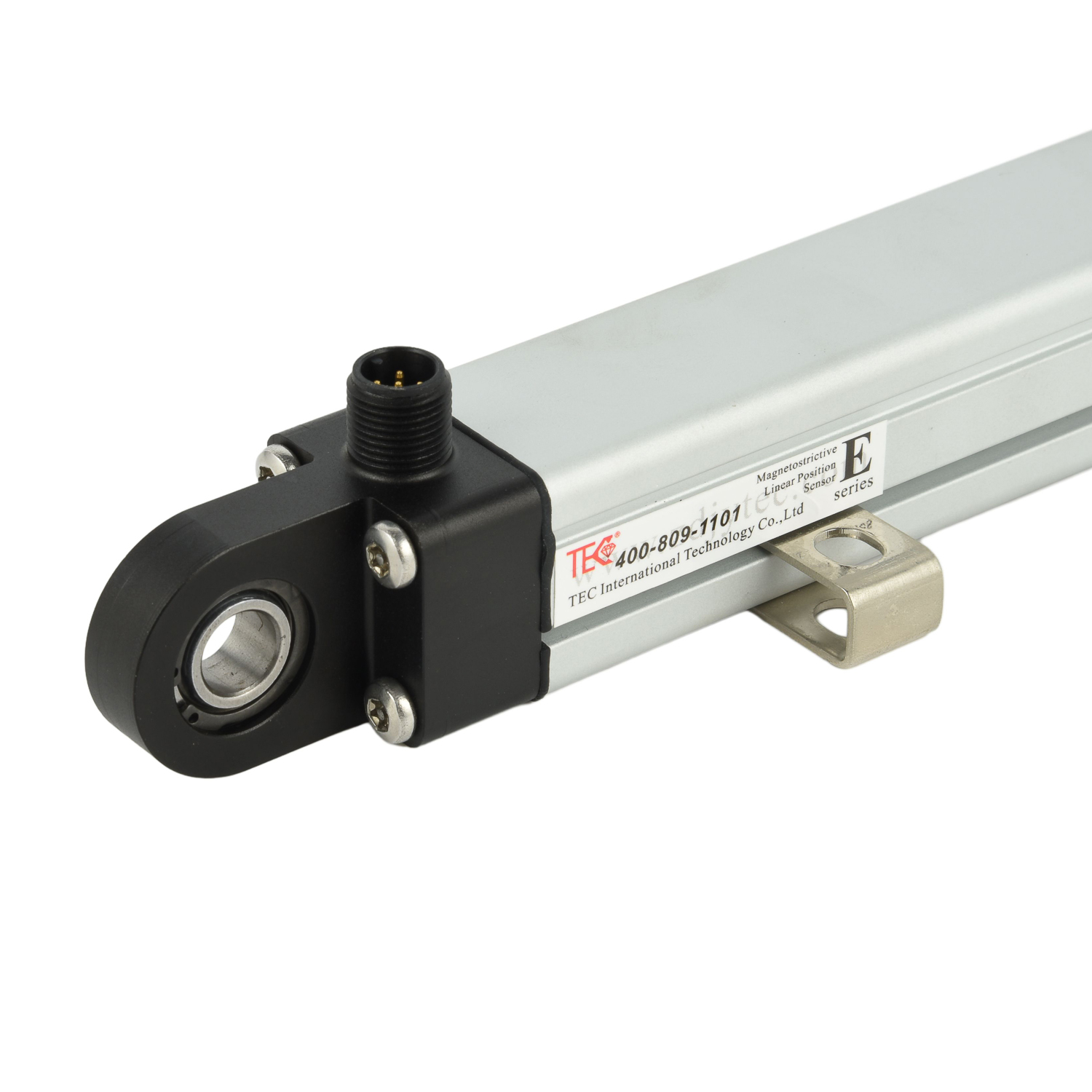
Smart parking infrastructures leverage magnetostrictive sensors to detect vehicle occupancy in individual parking spaces. When embedded in the pavement of a parking spot, the sensor can reliably distinguish between an occupied and vacant space. This information is then relayed to a central system that guides drivers to available spots via digital signage or mobile apps, significantly reducing search time, lowering vehicle emissions, and improving the user experience in crowded urban areas and large parking facilities.
The Future of Magnetostrictive Sensors in Intelligent Transport
The integration of magnetostrictive sensors with the Internet of Things and big data analytics heralds a new era for intelligent transport systems. Future applications may include more granular real-time health monitoring of infrastructure, enhanced predictive analytics for traffic management, and their integration into Vehicle-to-Everything communication networks. As smart cities evolve, the role of these high-precision, durable sensors will undoubtedly expand, offering even greater efficiencies, safety enhancements, and sustainability for public and private transportation networks globally.
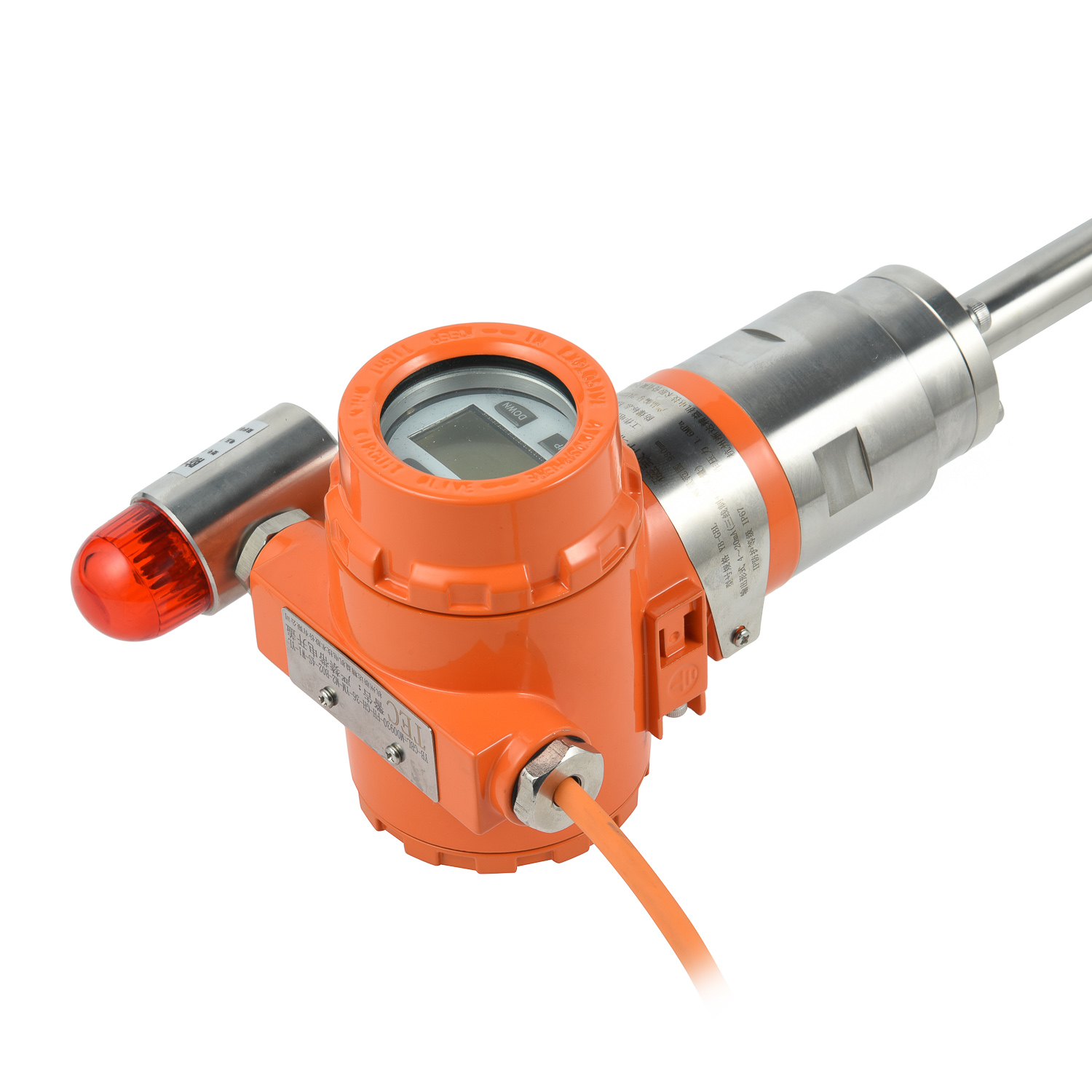 Intrinsically Safe Explosion-p
 Explosion-proof Magnetostricti
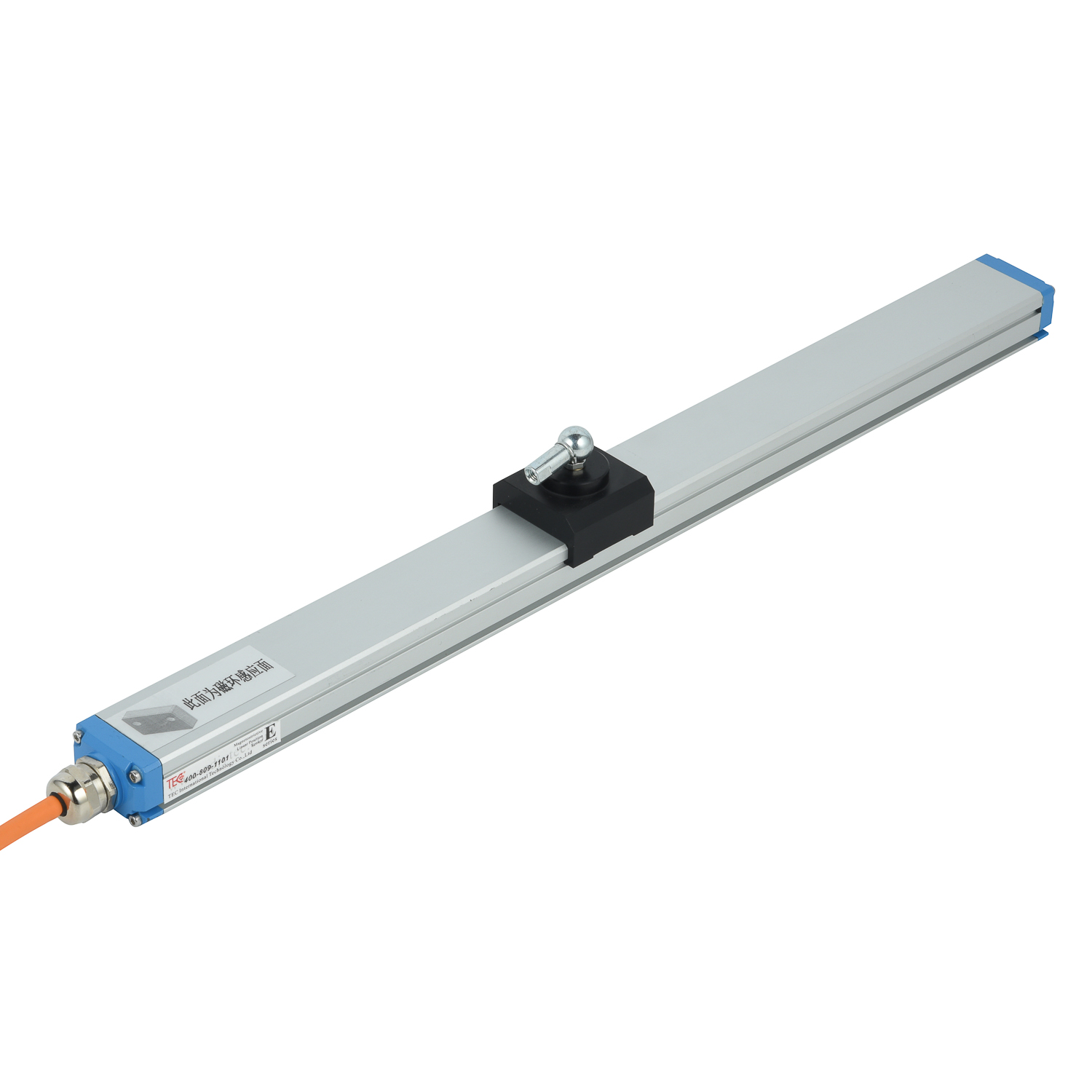 Magnetostrictive Displacement
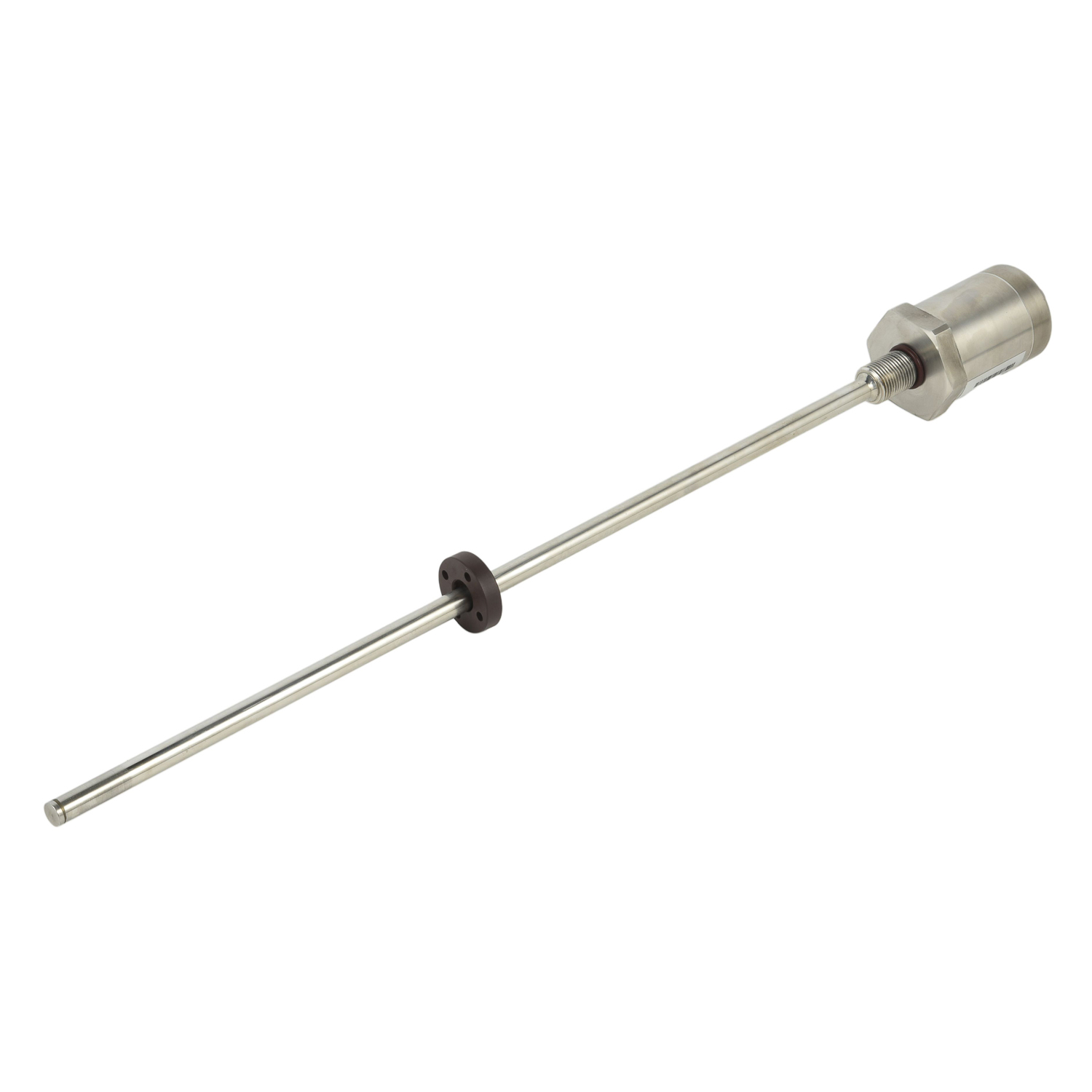 Mining High-temperature Electr