
How to design low-power magnetostrictive sensors?
Understanding Magnetostrictive Sensor Fundamentals
Magnetostrictive sensors operate on the principle of magnetostriction, where certain materials change shape when exposed to magnetic fields. This physical phenomenon enables precise measurement of position, force, and torque. The core component is typically a waveguide made from magnetostrictive materials like Terfenol-D or ferrites that convert magnetic energy into mechanical strain. Understanding this fundamental interaction is crucial for designing efficient sensors that minimize power requirements while maintaining accuracy.
Selecting Optimal Low-Power Materials
Material selection significantly impacts power consumption in magnetostrictive sensors. Advanced magnetostrictive alloys like Galfenol (iron-gallium) offer superior energy conversion efficiency with lower hysteresis losses compared to traditional materials. Nanocrystalline materials provide enhanced magnetostrictive coefficients at lower field strengths, reducing the energy needed for operation. Composite materials combining magnetostrictive particles with polymer matrices can achieve satisfactory performance at substantially reduced power levels. The key is balancing magnetostrictive coefficient, coercivity, and saturation magnetization to find materials that respond effectively to minimal magnetic input.
Optimizing Sensor Coil Design for Efficiency
Coil design plays a pivotal role in power optimization of magnetostrictive sensors. Implementing multi-layer winding techniques with precise turn spacing minimizes eddy current losses and reduces the required excitation current. Using Litz wire instead of solid conductors decreases skin effect losses at higher frequencies. Strategic core geometry optimization, such as tapered designs, enhances magnetic flux concentration toward the active sensing area. Advanced simulation tools help determine the optimal balance between coil inductance, resistance, and magnetic field strength to achieve maximum sensitivity with minimal power input.
Implementing Advanced Circuit Design Strategies
Power-efficient circuit design is essential for low-power magnetostrictive sensors. Pulse excitation techniques significantly reduce average power consumption by activating the sensor only during measurement intervals. Implementing resonant circuit configurations can recover and reuse energy that would otherwise be dissipated as heat. Advanced signal conditioning circuits with low-noise amplifiers and high-resolution analog-to-digital converters enhance signal quality without increasing power requirements. Integrating power management ICs that dynamically adjust voltage and current based on measurement needs can cut energy use by up to 70% compared to conventional designs.
Integrating Smart Power Management Protocols
Intelligent power management protocols dramatically extend operational life in magnetostrictive sensing applications. Adaptive sampling rate algorithms adjust measurement frequency based on activity detection, maintaining high performance during critical periods while conserving energy during stability. Sleep-wake cycling protocols powered by interrupt-driven architectures enable near-zero power consumption during idle states. Wireless sensor networks can implement synchronized measurement schedules to minimize continuous power draw. Energy harvesting integration from vibration or thermal sources can potentially create self-powered magnetostrictive sensors for certain applications.
Addressing Environmental and Application Challenges
Environmental factors significantly influence power requirements in magnetostrictive sensors. Temperature compensation algorithms prevent unnecessary power increases to maintain accuracy across varying conditions. EMI shielding techniques reduce interference that would otherwise require additional power for signal integrity. Mechanical mounting optimization minimizes stress-induced errors that lead to calibration power drains. For extreme environments, material coatings and encapsulation methods protect sensor elements without compromising efficiency. Understanding application-specific requirements allows for tailored power optimization rather than over-engineering.
Testing and Validation Methodologies
Comprehensive testing ensures low-power magnetostrictive sensors meet performance specifications. Power profiling under various operational scenarios identifies optimization opportunities. Lifecycle testing under realistic conditions validates long-term reliability at reduced power levels. Comparative analysis against conventional designs quantifies energy savings while maintaining measurement accuracy. Standardized benchmark tests help establish performance baselines for different power modes. Environmental stress screening confirms functionality across temperature extremes and mechanical vibrations at targeted power budgets.
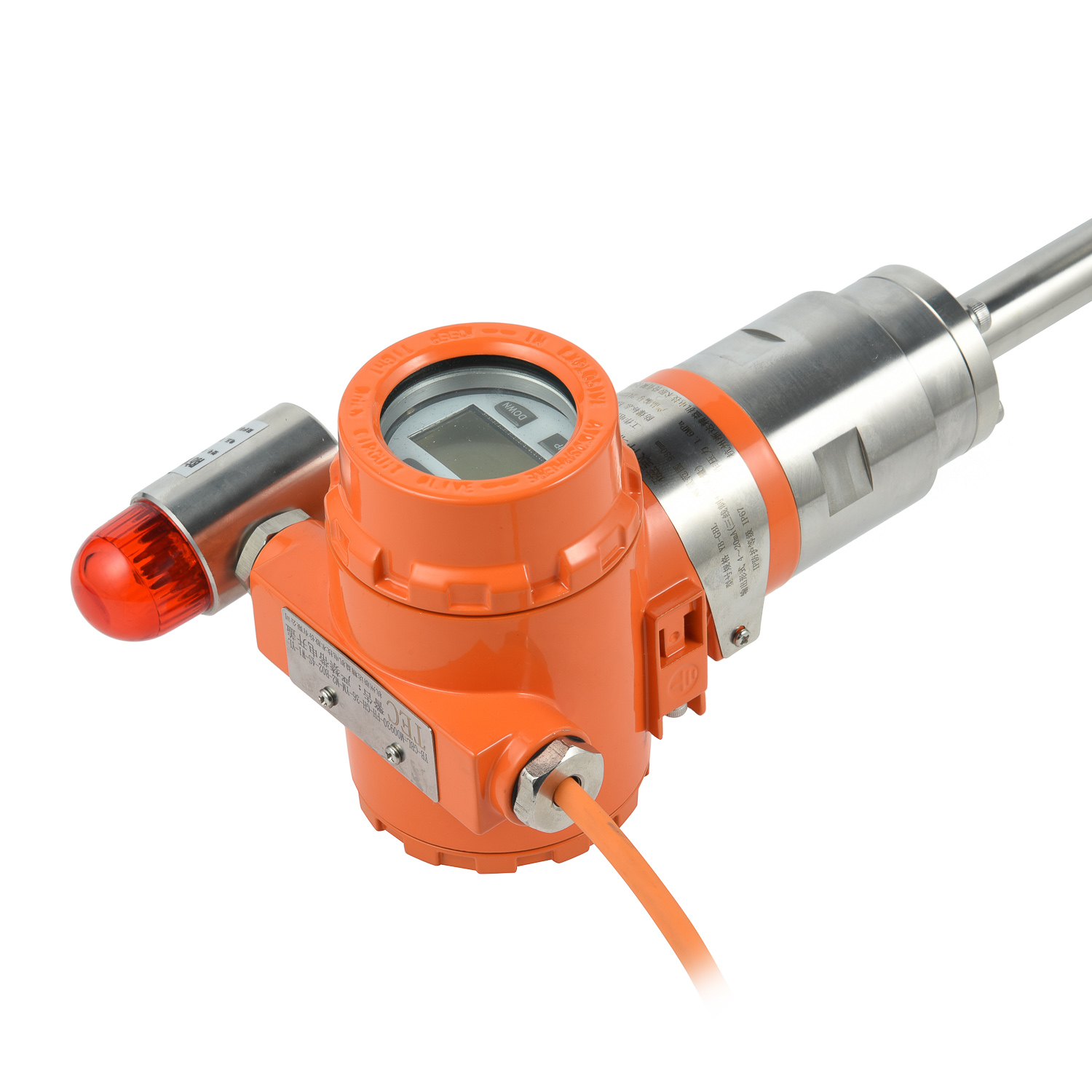 Intrinsically Safe Explosion-p
 Explosion-proof Magnetostricti
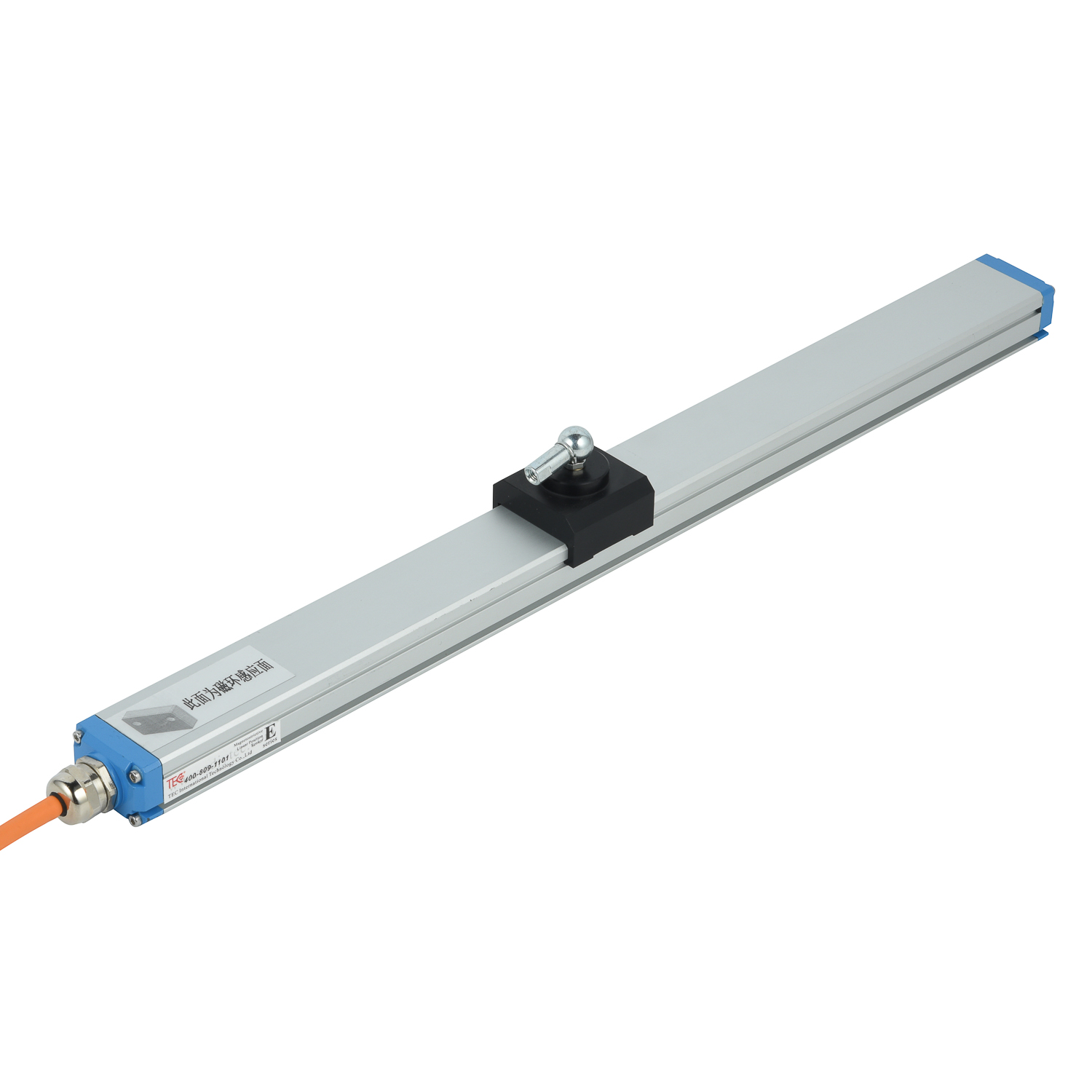 Magnetostrictive Displacement
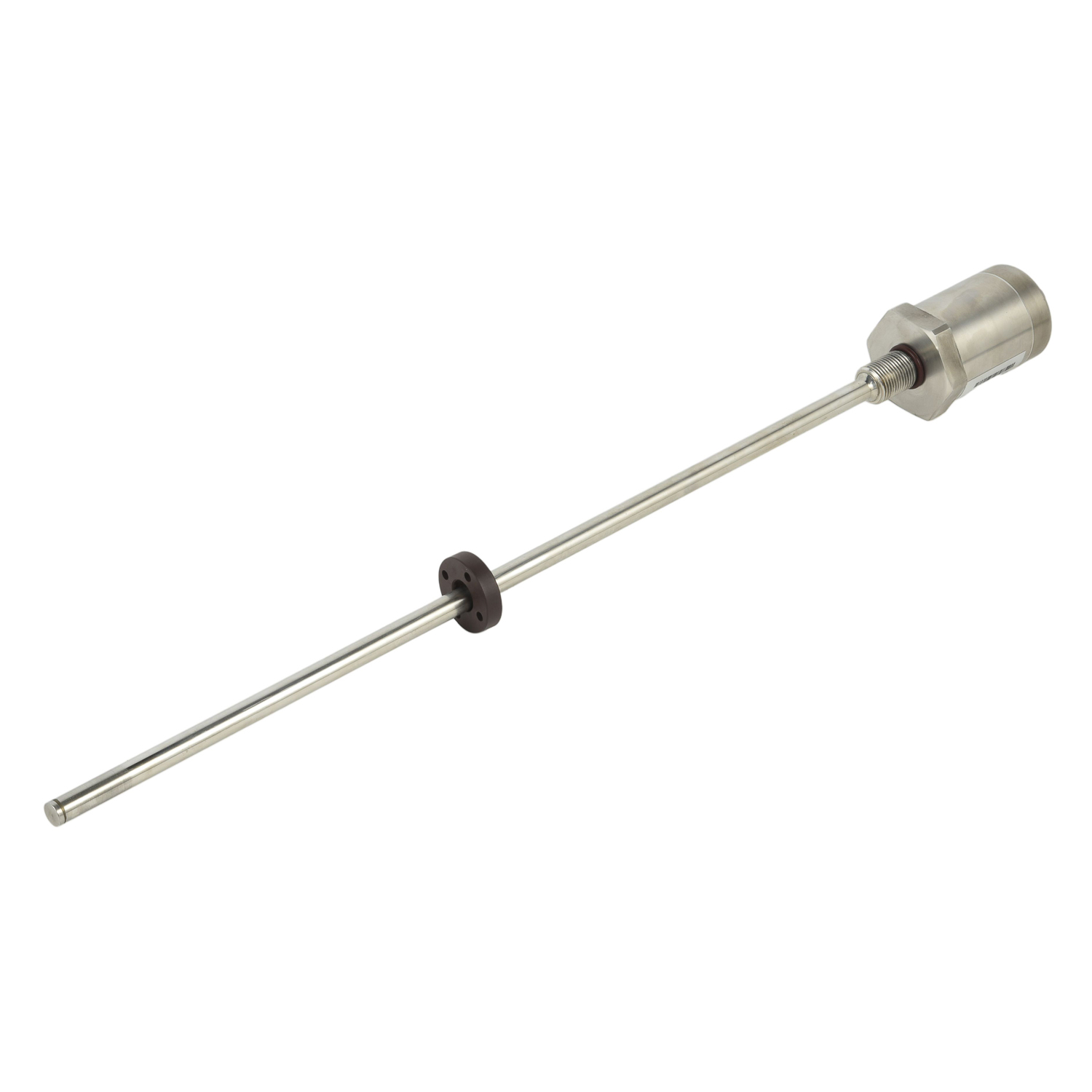 Mining High-temperature Electr