
What positioning applications use magnetostrictive sensors in ships?
Magnetostrictive sensors have become indispensable components in modern marine vessels, providing critical positioning data with exceptional accuracy and reliability. These sophisticated devices leverage the magnetostrictive effect—where a material changes shape in response to a magnetic field—to deliver precise measurements even in the challenging marine environment. Their non-contact operation and robust construction make them ideally suited for maritime applications where failure is not an option. From navigation systems to engine controls, these sensors play a vital role in ensuring vessel safety, operational efficiency, and regulatory compliance across the global shipping industry.
Precision Tank Level Monitoring and Management
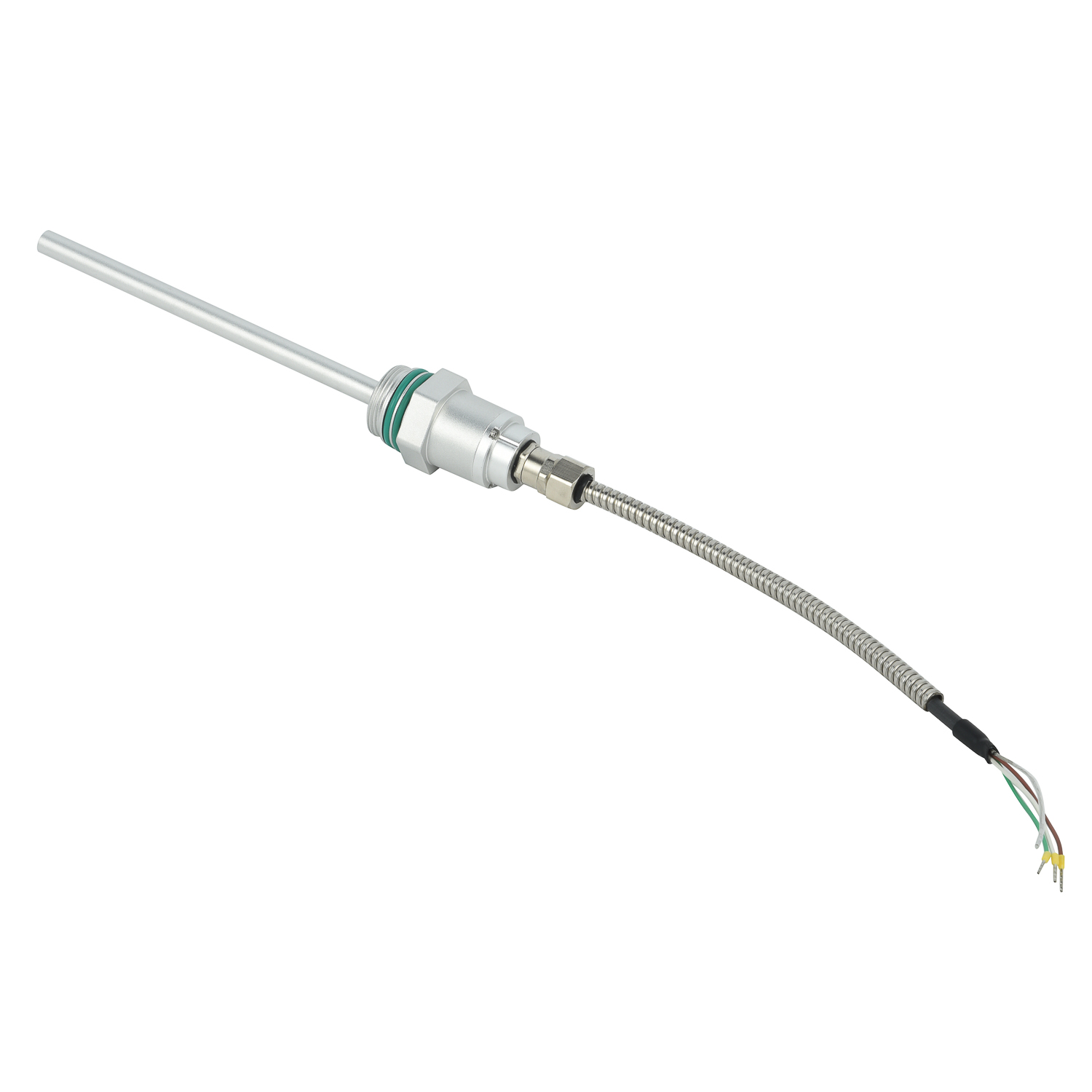
One of the most widespread applications of magnetostrictive sensors in ships is in tank level monitoring systems. These sensors provide continuous, accurate measurements of fuel, ballast water, lubricating oil, and cargo tank levels with remarkable precision. Unlike traditional float-based systems, magnetostrictive sensors eliminate mechanical linkages that can wear out or fail, offering a maintenance-free solution for critical fluid management. The technology enables ships to maintain proper trim and stability by precisely tracking weight distribution across various tanks. Furthermore, the high accuracy of these sensors helps optimize fuel consumption, prevents overfilling, and ensures compliance with environmental regulations by detecting even minor leaks early. Advanced systems can even differentiate between multiple fluids within the same tank, providing invaluable data for complex cargo operations.
Rudder Angle and Steering Control Systems
In vessel steering mechanisms, magnetostrictive sensors deliver precise rudder angle feedback to the ship's navigation and autopilot systems. Positioned within the rudder stock or steering gear, these sensors continuously monitor the exact position of the rudder with resolution down to fractions of a degree. This real-time data is crucial for maintaining course accuracy, especially during automated navigation where the autopilot makes constant micro-adjustments based on sensor feedback. The reliability of magnetostrictive technology ensures that officers on the bridge receive accurate rudder position information, which is vital for collision avoidance and maneuverability in congested waterways. The non-contact nature of these sensors makes them immune to the vibration and shock inherent in steering systems, providing consistent performance throughout long operational lifetimes without requiring recalibration.
Dynamic Positioning and Thruster Control
For offshore vessels, drill ships, and luxury yachts requiring precise station-keeping, magnetostrictive sensors are integral to dynamic positioning (DP) systems. These sensors provide accurate positional feedback for azimuth thrusters, propellers, and propulsion pods, enabling the DP computer to make precise thrust adjustments to maintain position against wind, waves, and currents. Each thruster's angle and RPM are monitored by magnetostrictive sensors that deliver the real-time data necessary for coordinated thrust management. This application demands the highest levels of reliability since sensor failure could lead to loss of position with potentially catastrophic consequences in sensitive operations like offshore drilling or submarine cable laying. The exceptional accuracy of these sensors allows vessels to maintain position within meters even in challenging sea conditions.
Engine Valve Position and Performance Monitoring
Modern marine engines utilize magnetostrictive sensors to monitor valve positions, fuel rack settings, and variable geometry turbocharger vanes with extreme precision. In large diesel engines that power commercial vessels, these sensors provide feedback on the exact position of critical components, allowing the engine control system to optimize combustion for efficiency and emissions compliance. The high-temperature and high-vibration resistance of magnetostrictive sensors makes them ideal for the harsh engine room environment where conventional sensors might fail. By ensuring precise valve timing and fuel injection parameters, these sensors contribute significantly to fuel economy, reduced maintenance intervals, and compliance with increasingly stringent international emissions regulations such as IMO Tier III standards.
Stabilizer Fin and Anti-Roll System Positioning
Ship stabilizer systems rely on magnetostrictive sensors to accurately monitor the angle of anti-roll fins that counteract wave-induced motion. These sensors provide continuous feedback on fin position, allowing the stabilizer control system to make rapid adjustments that maximize passenger comfort and cargo safety. The precise positioning data enables the system to anticipate vessel motion and deploy fins at optimal angles to neutralize rolling before it becomes uncomfortable or dangerous. For cruise ships, research vessels, and naval ships where stability is paramount, the reliability of these sensors directly impacts operational capability and safety. The corrosion-resistant construction of marine-grade magnetostrictive sensors ensures long-term reliability in the submerged application where they are constantly exposed to seawater.
Anchor Chain and Mooring System Monitoring
Advanced mooring and anchor handling systems incorporate magnetostrictive sensors to monitor chain length and tension during anchoring operations. These sensors provide winch control systems with precise data on how much chain has been deployed, allowing for optimized anchoring based on water depth, seabed conditions, and weather forecasts. The accurate positioning information helps prevent dragging anchor incidents that could lead to grounding or collision. For dynamic positioning vessels that use automated mooring systems, these sensors ensure that mooring lines maintain proper tension during loading operations as tide and draft change. This application demonstrates the versatility of magnetostrictive technology in providing reliable positioning data even in the most demanding marine environments.
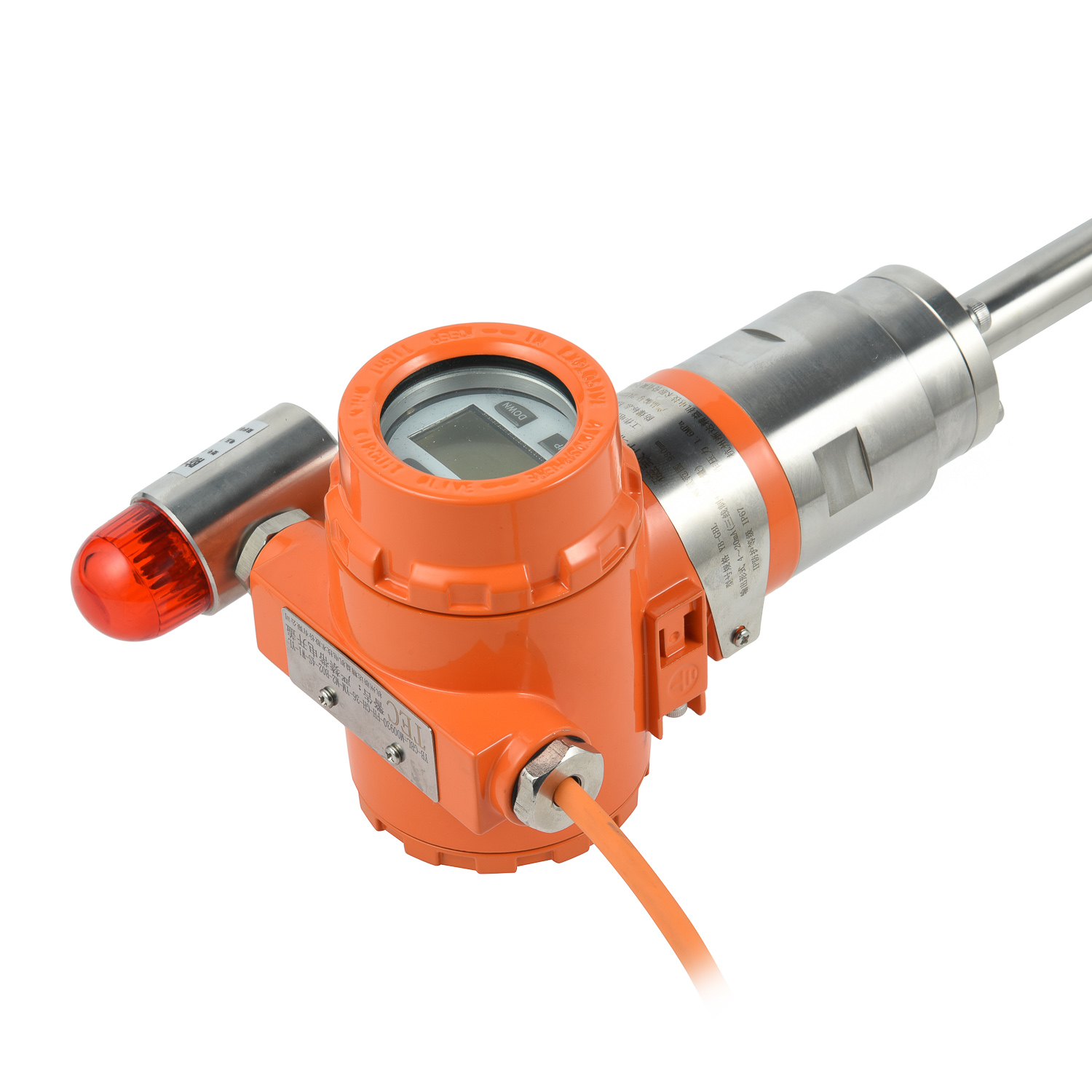 Intrinsically Safe Explosion-p
 Explosion-proof Magnetostricti
 Magnetostrictive Displacement
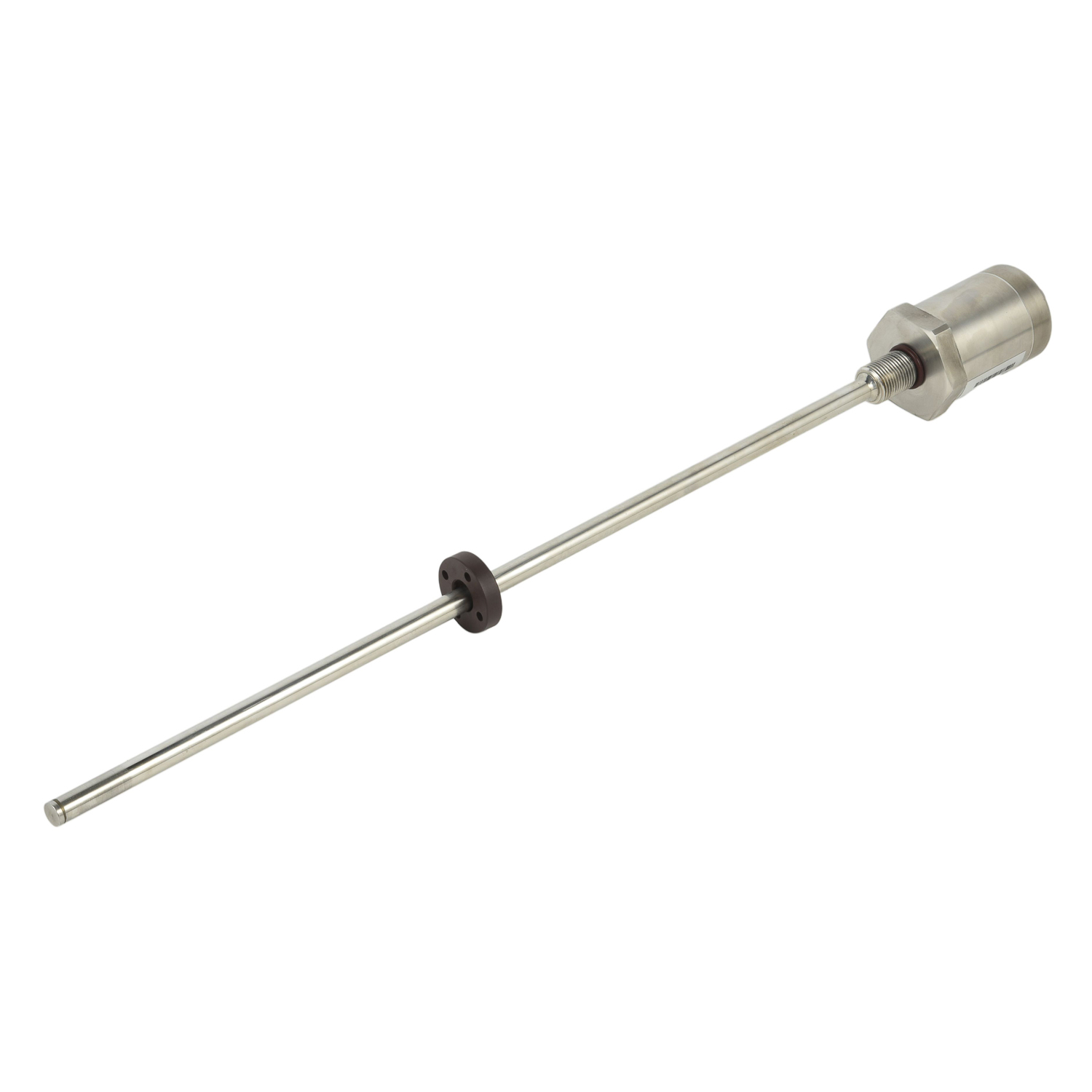 Mining High-temperature Electr