
What aerospace applications use magnetostrictive sensors?
Magnetostrictive sensors have become indispensable components in modern aerospace systems, offering unparalleled precision and reliability in extreme operational environments. These advanced sensors utilize the magnetostrictive effect - where ferromagnetic materials change shape under magnetic fields - to deliver accurate position measurements critical for flight safety and performance. Their non-contact operation, high resolution, and resistance to harsh conditions make them particularly valuable in aerospace applications where failure is not an option.
Flight Control Systems
In flight control applications, magnetostrictive sensors provide precise feedback for actuation systems controlling ailerons, elevators, and rudders. These sensors continuously monitor the position of control surfaces with micron-level accuracy, enabling fly-by-wire systems to translate pilot commands into precisely calibrated movements. The sensors' ability to function reliably across extreme temperature ranges (-55°C to +150°C) and withstand intense vibration makes them ideal for flight critical systems where mechanical linkages have been replaced by electronic controls.
Landing Gear and Braking Systems
Magnetostrictive sensors play a vital role in landing gear systems by providing accurate position feedback for gear deployment, retraction, and steering mechanisms. They monitor the exact position of landing gear components during critical phases of flight, ensuring proper sequencing and locking. In braking systems, these sensors measure brake actuator positions, enabling anti-skid systems to modulate braking pressure with exceptional precision. Their hermetic sealing allows reliable operation despite exposure to hydraulic fluids, debris, and moisture.
Engine Control and Monitoring
Aircraft engines utilize magnetostrictive sensors for throttle control and variable geometry components. In turbine engines, they precisely position inlet guide vanes and bleed valves to optimize airflow under different flight conditions. The sensors provide feedback for fuel metering units, ensuring precise fuel flow control for efficient combustion. Their immunity to contamination and ability to maintain accuracy despite temperature fluctuations make them superior to traditional potentiometers in these critical propulsion applications.
Actuation Systems and Robotics
Aerospace actuation systems for cargo doors, thrust reversers, and wing flaps increasingly rely on magnetostrictive sensors for position verification. In space applications, these sensors enable precise movement control in robotic arms and deployment mechanisms for satellites and space station components. The absence of mechanical contact eliminates wear concerns, making them suitable for applications requiring millions of maintenance-free cycles in inaccessible locations.
Hydraulic System Monitoring
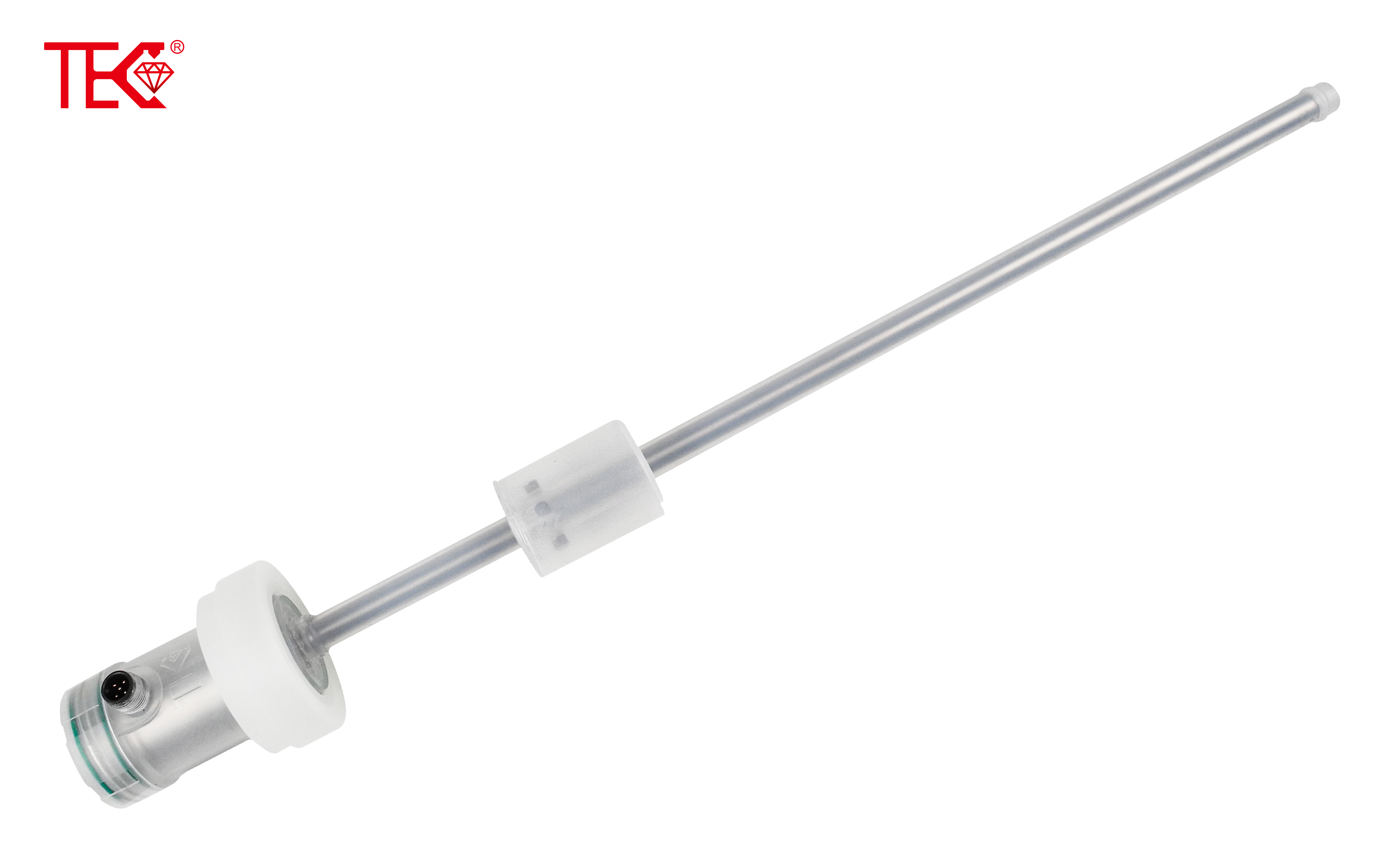
Magnetostrictive sensors provide critical feedback in aerospace hydraulic systems by monitoring cylinder positions and valve actuation. They enable smart hydraulic systems to precisely control surface movements while providing diagnostic data about system performance. The sensors' robust construction allows them to operate directly within hydraulic environments, providing real-time position data without requiring external transducers or complex sealing arrangements.
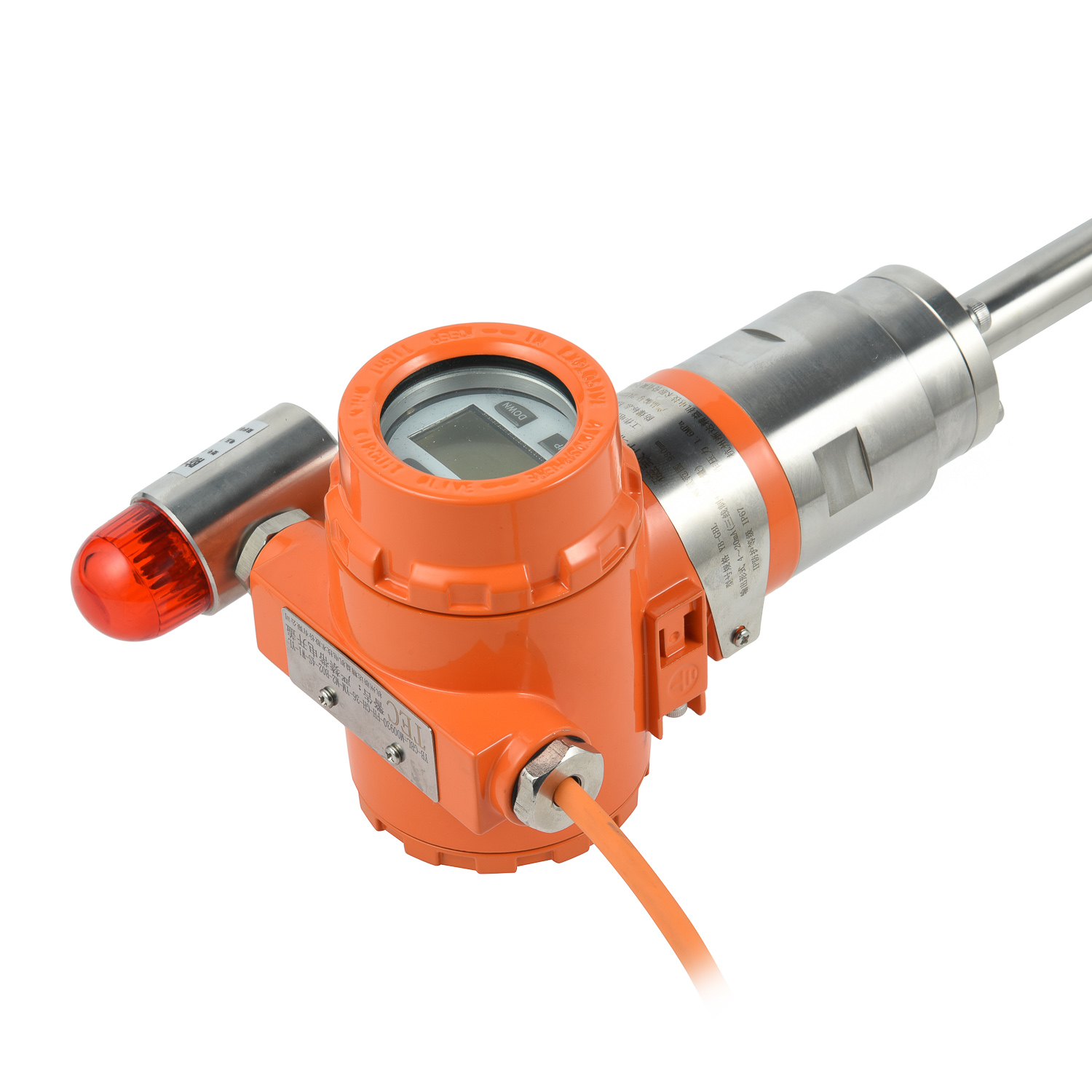 Intrinsically Safe Explosion-p
 Explosion-proof Magnetostricti
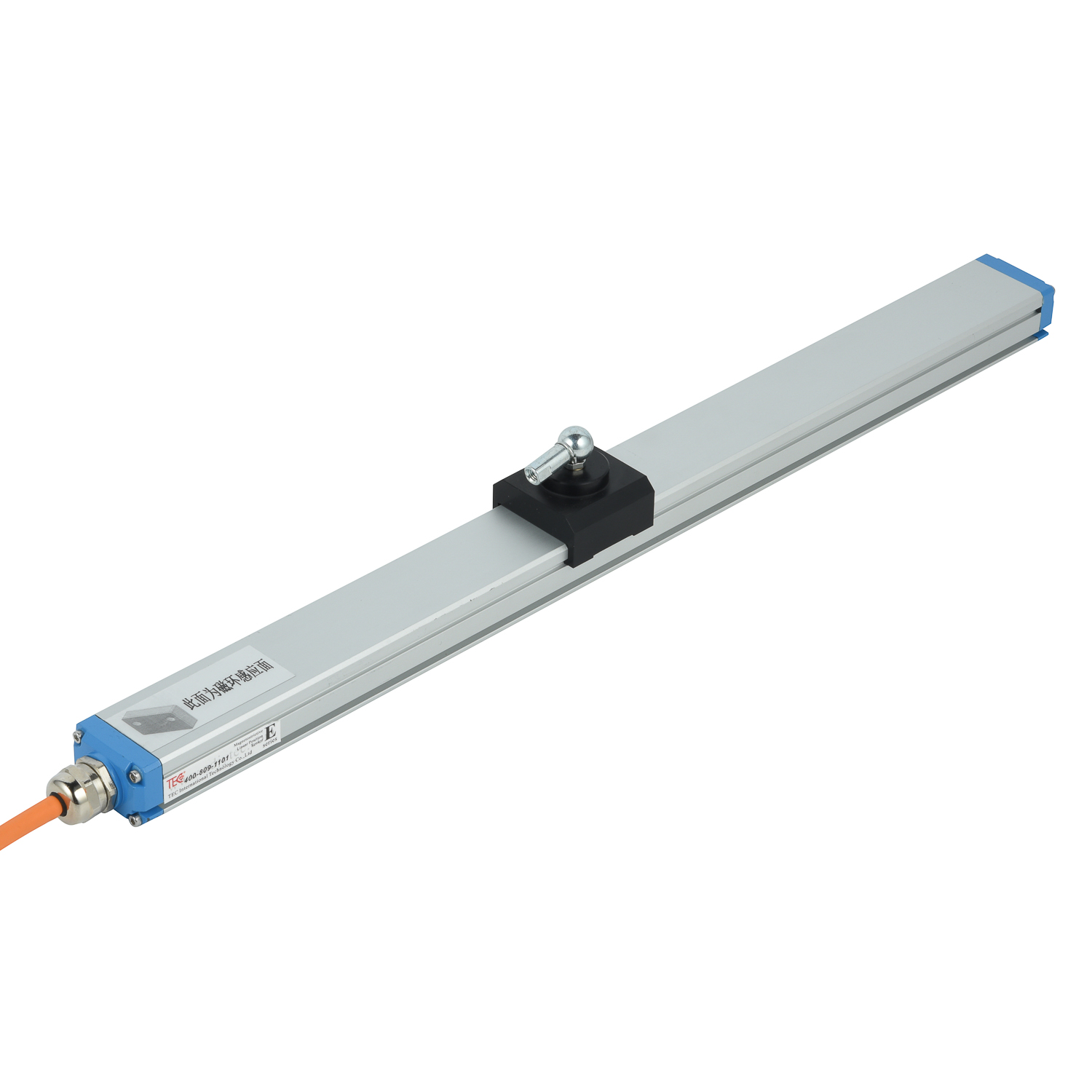 Magnetostrictive Displacement
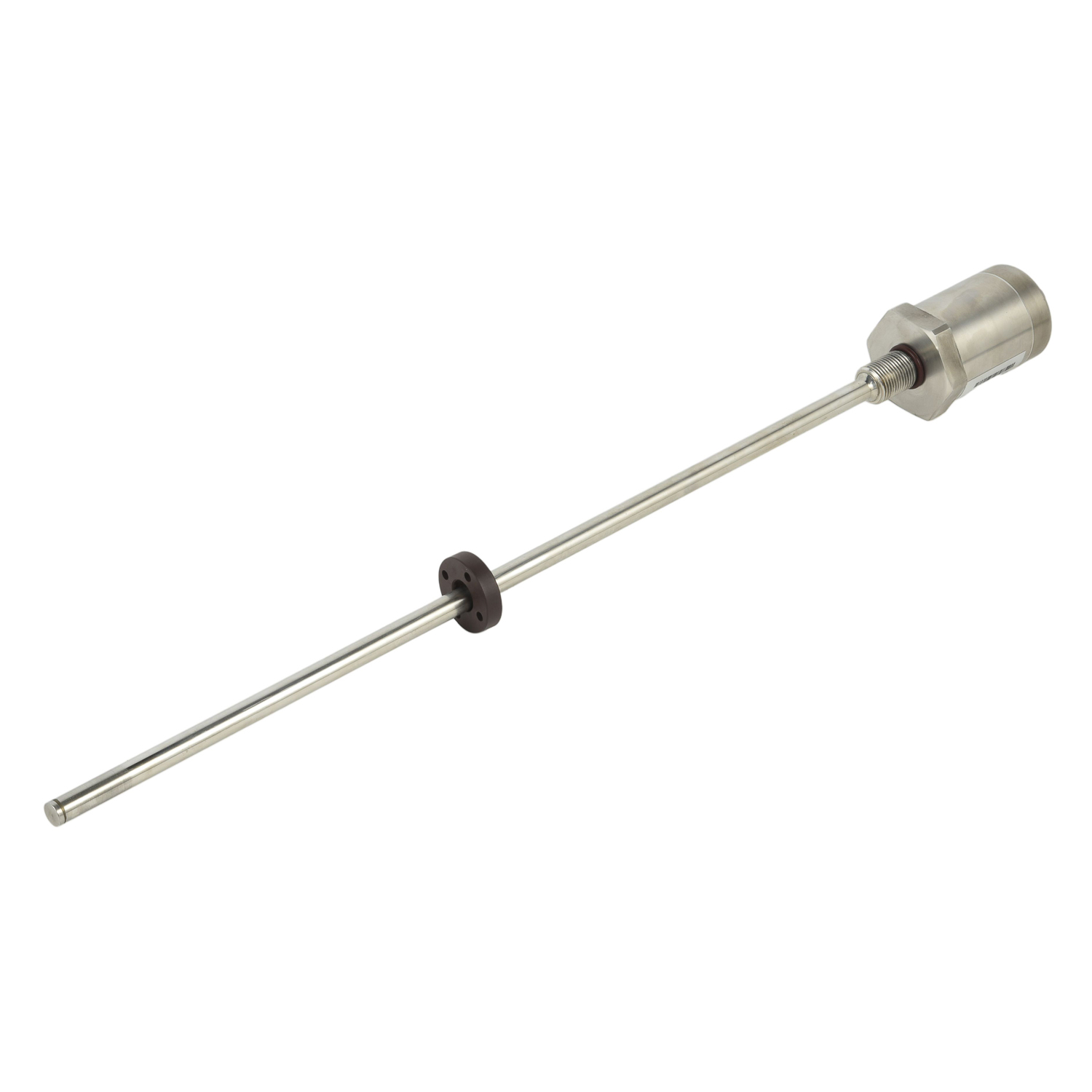 Mining High-temperature Electr