
What materials are used for magnetostrictive sensor housings?
When specifying magnetostrictive sensors for industrial applications, the housing material plays a critical role in ensuring long-term reliability and accuracy. These precision measurement devices require robust protection against environmental factors while maintaining signal integrity. The selection of housing materials directly impacts the sensor's resistance to corrosion, mechanical stress, and electromagnetic interference, making it a crucial consideration for system designers and engineers working in demanding industrial environments.
Stainless steel stands as the predominant choice for premium magnetostrictive sensor housings, particularly variants like 316 stainless steel which offers superior corrosion resistance. This material provides exceptional mechanical strength that protects the internal waveguide and electronics from impact damage in harsh industrial settings. The non-porous nature of stainless steel prevents fluid ingress while providing electromagnetic shielding that maintains signal accuracy. Many manufacturers employ precision-machined stainless steel housings with integrated mounting threads that facilitate secure installation in hydraulic systems, industrial machinery, and mobile equipment where vibration resistance is paramount.
Aluminum alloys offer a compelling alternative where weight reduction and cost efficiency are primary concerns. Through advanced extrusion and casting processes, aluminum housings achieve complex geometries while maintaining excellent structural integrity. The natural oxidation of aluminum creates a protective layer that resists environmental degradation, though additional surface treatments such as hard anodizing or powder coating are often applied for enhanced corrosion protection. Aluminum's superior thermal conductivity also helps dissipate heat generated by continuous operation, making it suitable for applications where temperature management is critical to maintaining measurement accuracy.
Engineering-grade thermoplastics have emerged as viable housing solutions for specialized applications where complete electrical isolation or chemical resistance is required. Materials like PEEK (Polyether Ether Ketone), PVDF (Polyvinylidene Fluoride), and reinforced nylons provide exceptional resistance to aggressive chemicals, solvents, and cleaning agents commonly encountered in pharmaceutical, food processing, and chemical industries. These polymer housings eliminate the risk of galvanic corrosion when installed on dissimilar metals and provide inherent electrical insulation that prevents ground loop interference in sensitive measurement circuits.
The pursuit of optimal environmental protection has led to advanced sealing technologies and IP rating certifications for sensor housings. Manufacturers employ multiple sealing strategies including molded elastomer gaskets, epoxy potted electronics, and laser-welded seams to achieve protection levels up to IP69K for high-pressure washdown environments. The integration of specialized cable glands and connector systems maintains the integrity of the protective barrier while facilitating electrical connections. These sealing methodologies ensure that magnetostrictive sensors can operate reliably in submerged conditions, high-humidity environments, and applications where exposure to lubricants, hydraulic fluids, or cutting coolants is inevitable.
EMC protection and electrical shielding considerations significantly influence housing design and material selection. Metallic housings provide natural Faraday cage protection against electromagnetic interference, while plastic enclosures often require additional metallic coatings or internal shielding layers to achieve equivalent protection. Manufacturers may incorporate specialized filter circuits, shielded cable terminations, and grounding schemes directly into the housing design to ensure compliance with industrial EMC standards. The housing's electrical characteristics must be coordinated with the sensor's electronic design to prevent signal degradation from external RF sources or power transmission equipment operating in close proximity.
Material selection directly influences the mechanical mounting options and installation flexibility available to system integrators. Stainless steel housings typically feature standardized mounting threads (such as M18x1 or M12x1) that interface with industrial mounting brackets, while aluminum extrusions may incorporate T-slots or rail mounting compatibility. The mechanical design must accommodate thermal expansion characteristics of the chosen material to prevent stress on internal components during temperature cycling. Additionally, the housing design must provide adequate strain relief for electrical connections while maintaining the environmental seal integrity throughout the sensor's operational lifespan.
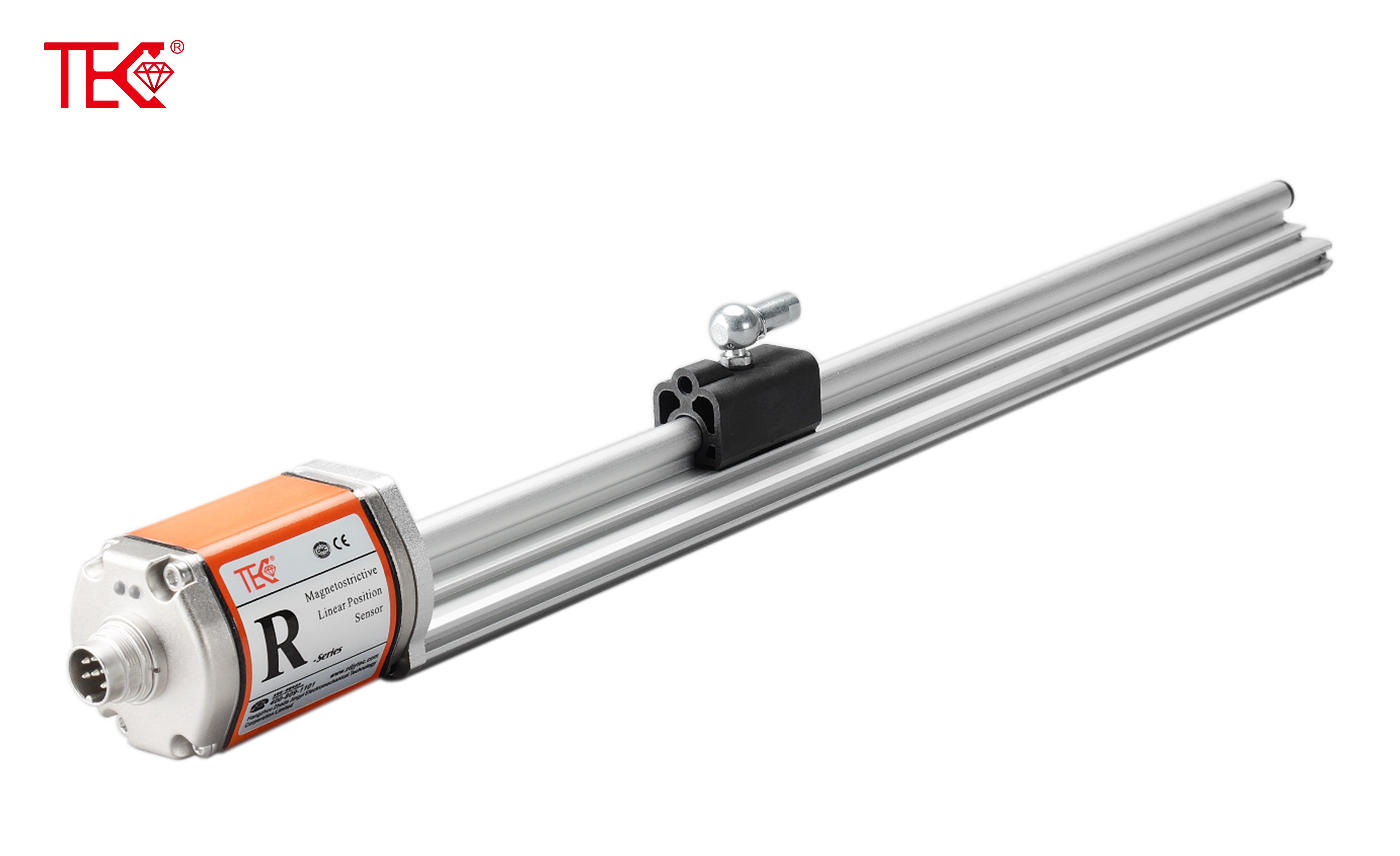
As magnetostrictive sensor technology advances, housing materials continue to evolve with emerging composites and hybrid solutions gaining traction. Manufacturers are developing multi-material housings that combine the structural benefits of metals with the chemical resistance of engineered plastics through co-molding and advanced adhesion techniques. The integration of smart materials that can indicate impact damage or environmental breach through visual color changes represents the next frontier in sensor housing technology. These innovations ensure that magnetostrictive sensors will continue to meet increasingly demanding application requirements while maintaining the precision and reliability expected in modern industrial automation systems.
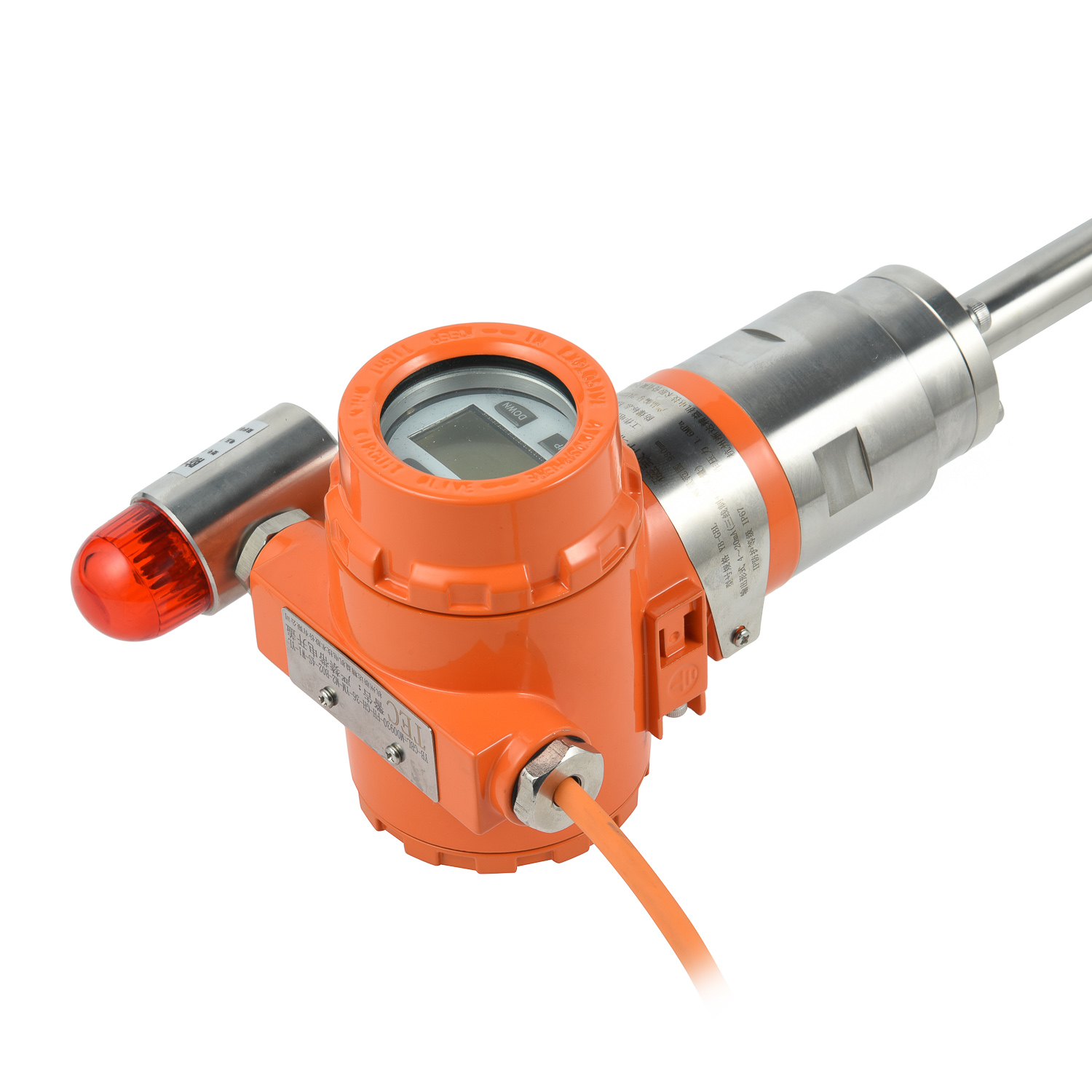 Intrinsically Safe Explosion-p
 Explosion-proof Magnetostricti
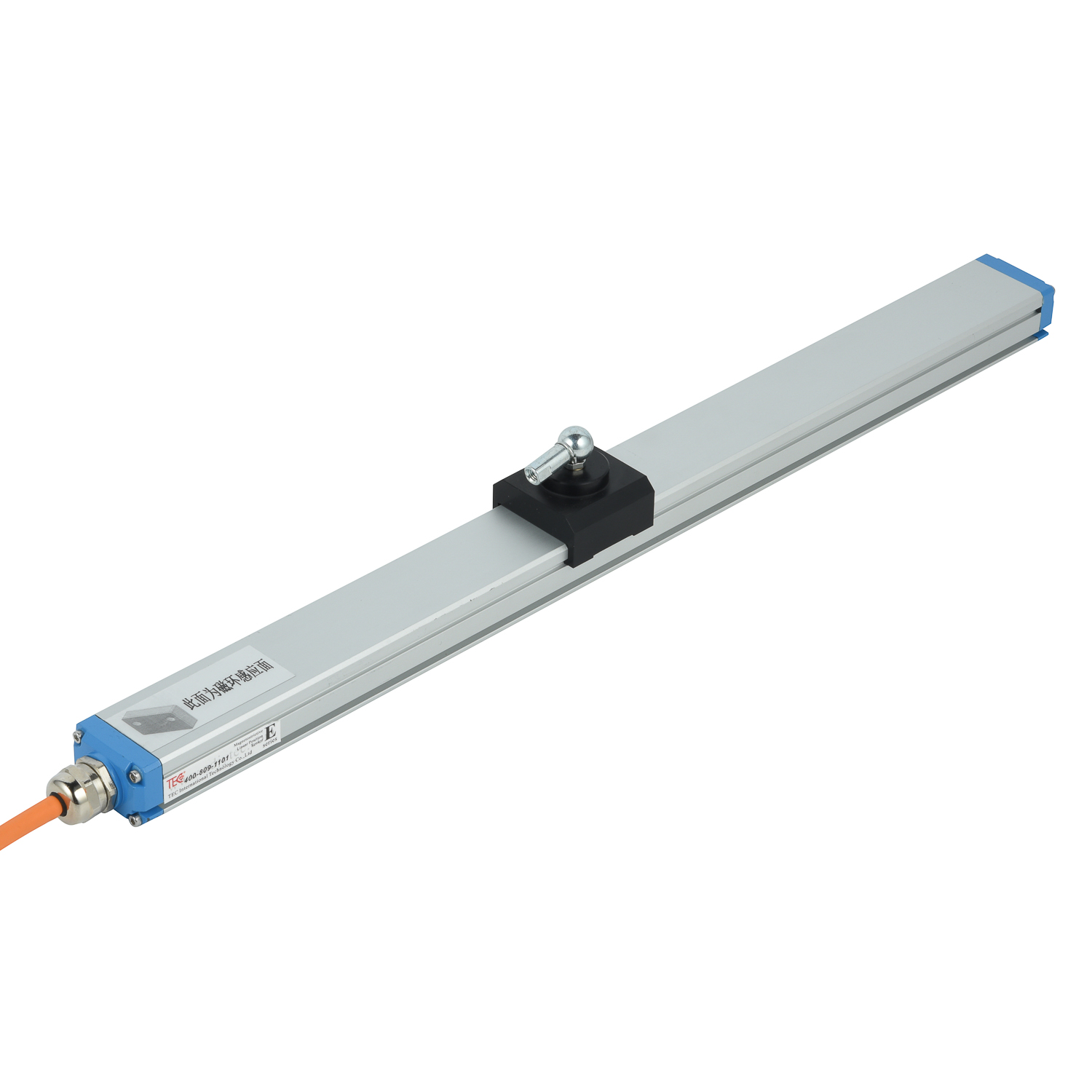 Magnetostrictive Displacement
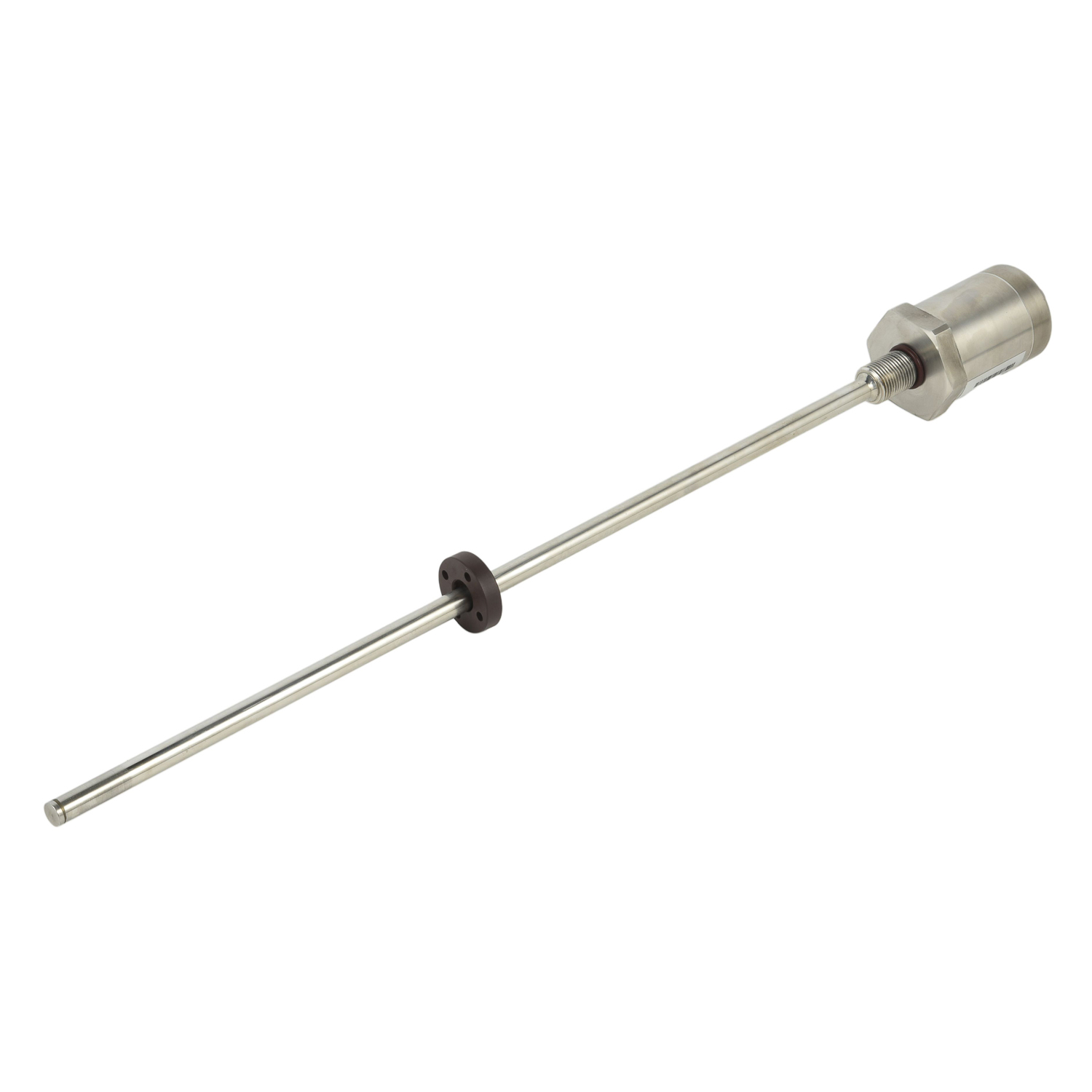 Mining High-temperature Electr