
What are the metallurgical industry applications of magnetostrictive sensors?
In the demanding world of metallurgical processing, precision measurement technology plays a pivotal role in ensuring operational efficiency and product quality. Among the various sensing technologies available, magnetostrictive sensors have emerged as particularly valuable assets due to their exceptional accuracy, reliability, and ability to perform in extreme conditions. These sophisticated devices utilize the magnetostrictive effect—where ferromagnetic materials change shape when exposed to magnetic fields—to deliver precise positional data without physical contact with the measured components.
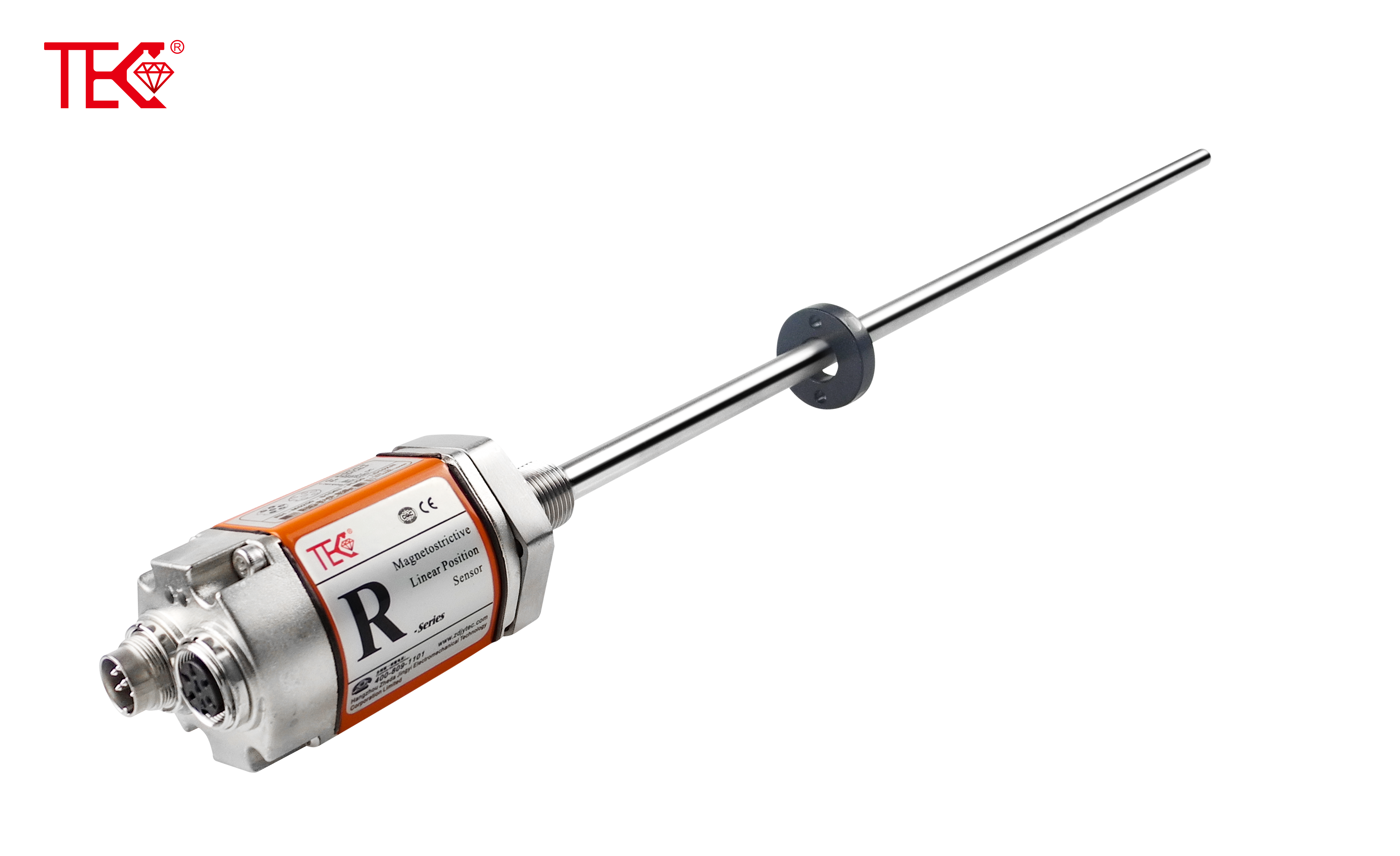
Precision Position Measurement in Rolling Mills
Magnetostrictive sensors provide unparalleled accuracy in position sensing applications throughout rolling mill operations. These sensors continuously monitor and control the gap between rolling stands, ensuring consistent material thickness and dimensional accuracy in finished products. The non-contact measurement principle eliminates mechanical wear issues that plague traditional sensors, resulting in significantly reduced maintenance requirements and extended service life. This capability is particularly crucial in modern high-speed rolling mills where positional accuracy at micron levels directly impacts product quality and operational efficiency.
Hydraulic Cylinder Position Control
The precise control of hydraulic cylinders represents another critical application where magnetostrictive sensors excel in metallurgical environments. These sensors provide real-time feedback on piston position within hydraulic systems that control various metallurgical processes, including material handling, pressing, and forming operations. The exceptional resolution and repeatability of magnetostrictive sensors enable mill operators to achieve precise movement control, which is essential for maintaining consistent production quality and preventing equipment damage due to misalignment or over-travel conditions.
Molten Metal Level Monitoring in Continuous Casting
In continuous casting operations, magnetostrictive sensors play a vital role in monitoring and controlling molten metal levels within molds and tundishes. These sensors withstand extreme temperatures and harsh conditions while providing accurate, real-time level measurements that are critical for preventing overflow conditions and ensuring uniform casting quality. The non-contact nature of magnetostrictive measurement eliminates problems associated with slag buildup and thermal degradation that commonly affect other sensing technologies in these challenging applications.
Automation and Process Optimization
The integration of magnetostrictive sensors has become fundamental to advanced automation systems in modern metallurgical facilities. These sensors provide the precise feedback necessary for implementing sophisticated control algorithms that optimize production processes, reduce energy consumption, and minimize material waste. By delivering reliable data in real-time, magnetostrictive sensors enable predictive maintenance strategies and help prevent unplanned downtime, contributing significantly to overall operational efficiency and cost reduction in metallurgical operations.
Safety and Reliability in Harsh Environments
Magnetostrictive sensors offer exceptional reliability in the challenging conditions typical of metallurgical applications, including exposure to extreme temperatures, vibration, electromagnetic interference, and corrosive atmospheres. Their robust construction and non-contact operating principle make them ideal for safety-critical applications where failure could result in equipment damage or production hazards. The inherent immunity to environmental factors ensures consistent performance where other sensing technologies might fail, providing metallurgical operators with confidence in their measurement and control systems.
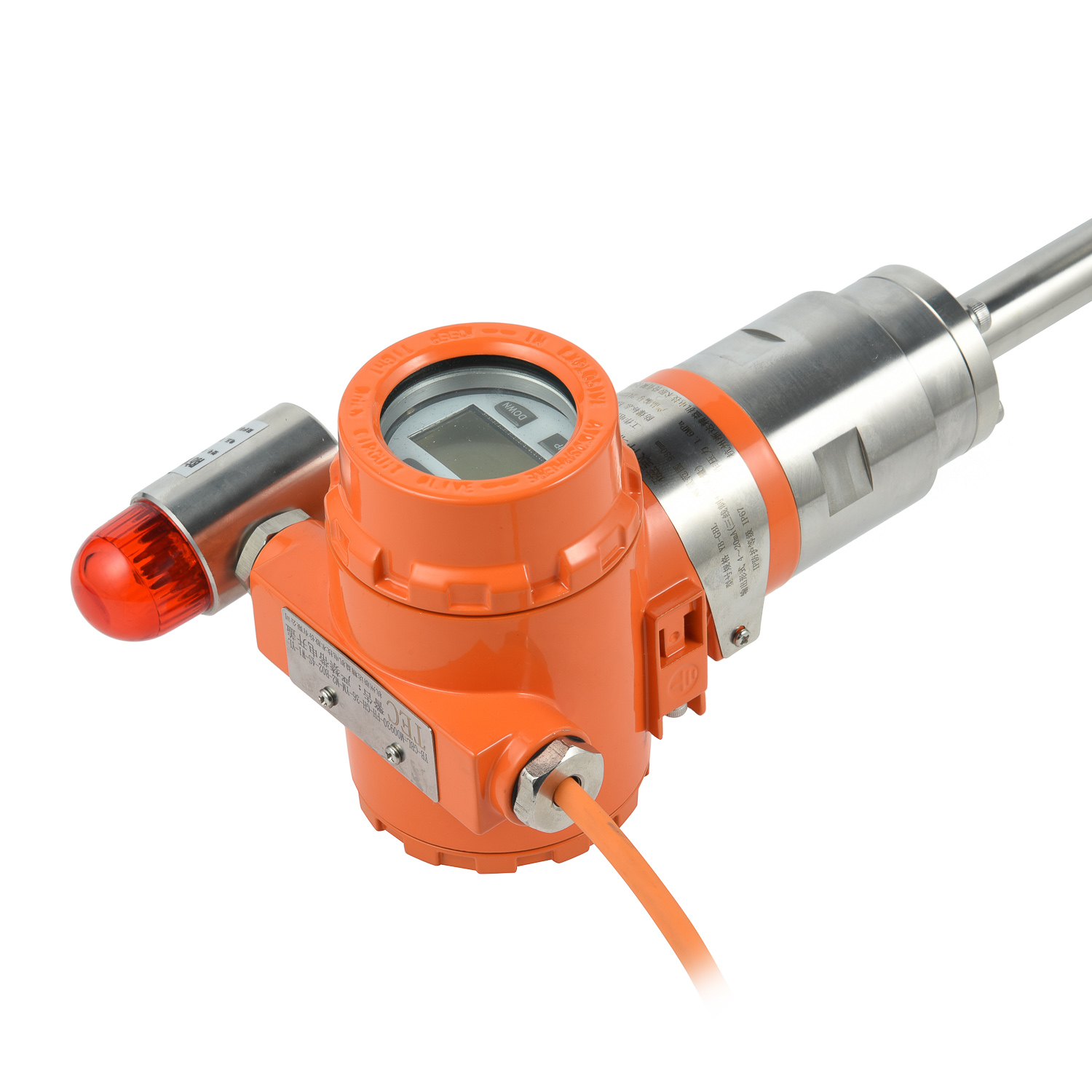 Intrinsically Safe Explosion-p
 Explosion-proof Magnetostricti
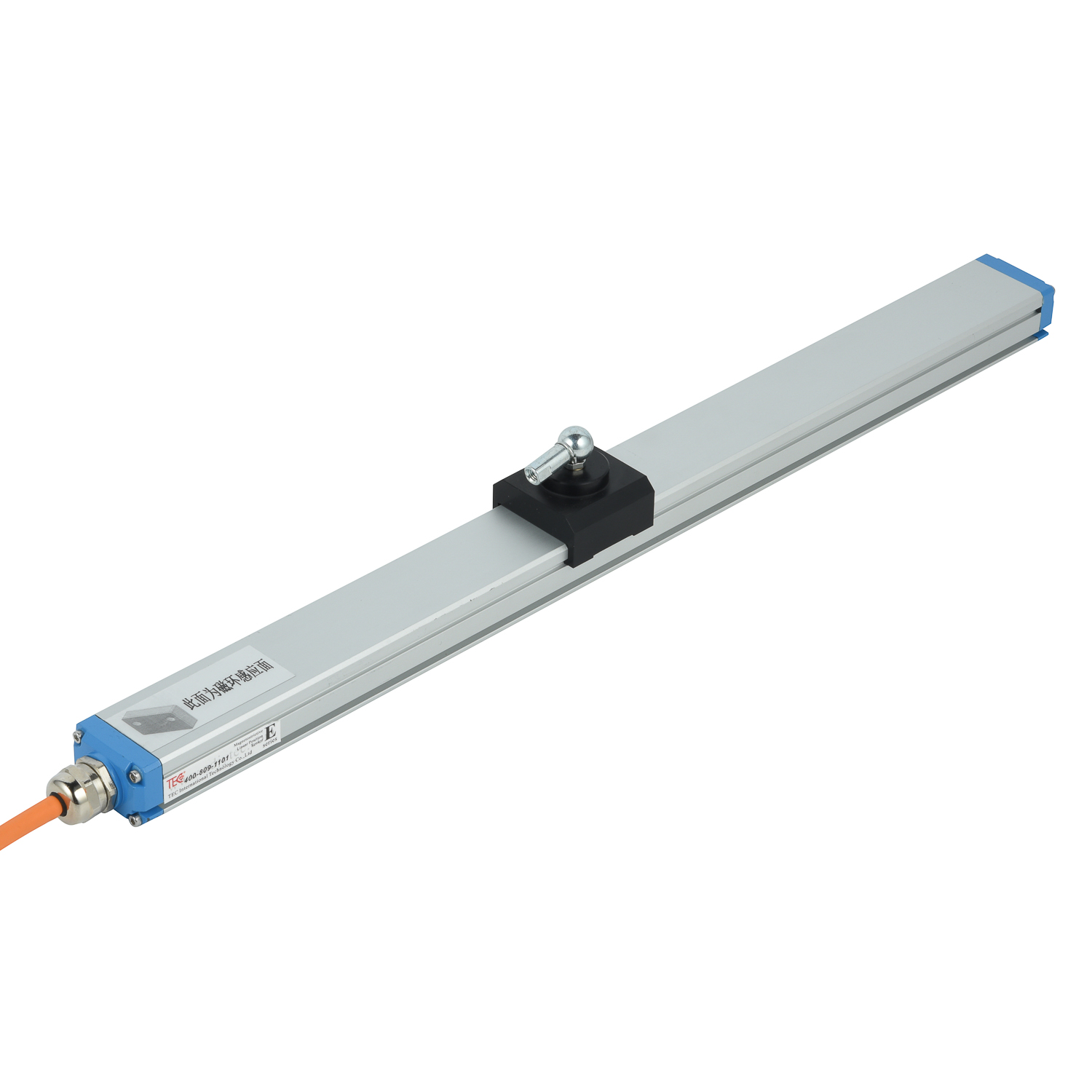 Magnetostrictive Displacement
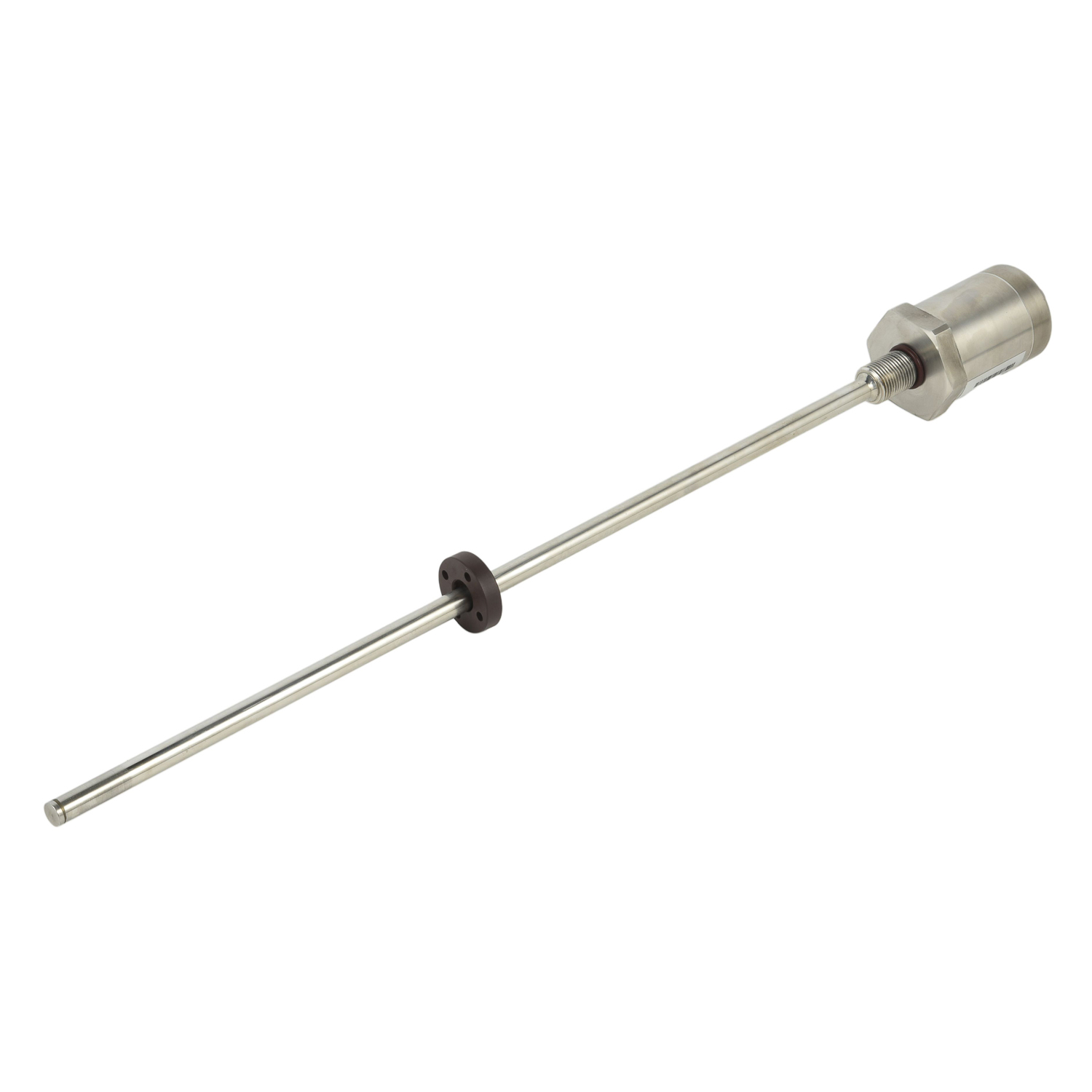 Mining High-temperature Electr