
Sewage Treatment Gate Waterproof Graybus Cable Technical Parameters
Sewage treatment gates operate in wet, corrosive, and vibration-heavy environments. A waterproof Graybus cable must deliver stable bus communication while resisting immersion, sludge, chemicals, and mechanical stress. Typical technical parameters include a tinned copper conductor with 0.5–2.5 mm² cross-section, PE or XLPE insulation, twisted-pair or multi-core construction, aluminum foil plus braided copper shielding, and a halogen-free TPU outer jacket. Rated voltage is commonly 300/500 V, with an operating temperature range of -40°C to +90°C. Waterproof performance should reach IP68 when assembled with sealed glands and connectors. The cable should withstand 1.0 MPa water pressure for 24 hours, pass a 500 V insulation resistance test, and keep a bending radius of at least 10× outer diameter for fixed installation or 15× for mobile use. Flame retardancy should meet IEC 60332-1-2, while oil, alkali, and hydrogen sulfide resistance suit sewage treatment gate duty. For reliable Graybus communication, controlled impedance, low capacitance, and robust EMC shielding are essential. The conductor resistance should remain within project limits, and the cable should pass 1.5 kV dielectric strength testing. Recommended tensile strength is no more than 50 N/mm² during pulling. Choose cables with UV-resistant jackets, anti-rodent options, and matched stainless-steel cable glands for long service life. Factory tests should include continuity, shield coverage, and dimensional checks. For outdoor routes, a black UV-stabilized jacket and clearly marked meterage help inspection and replacement.
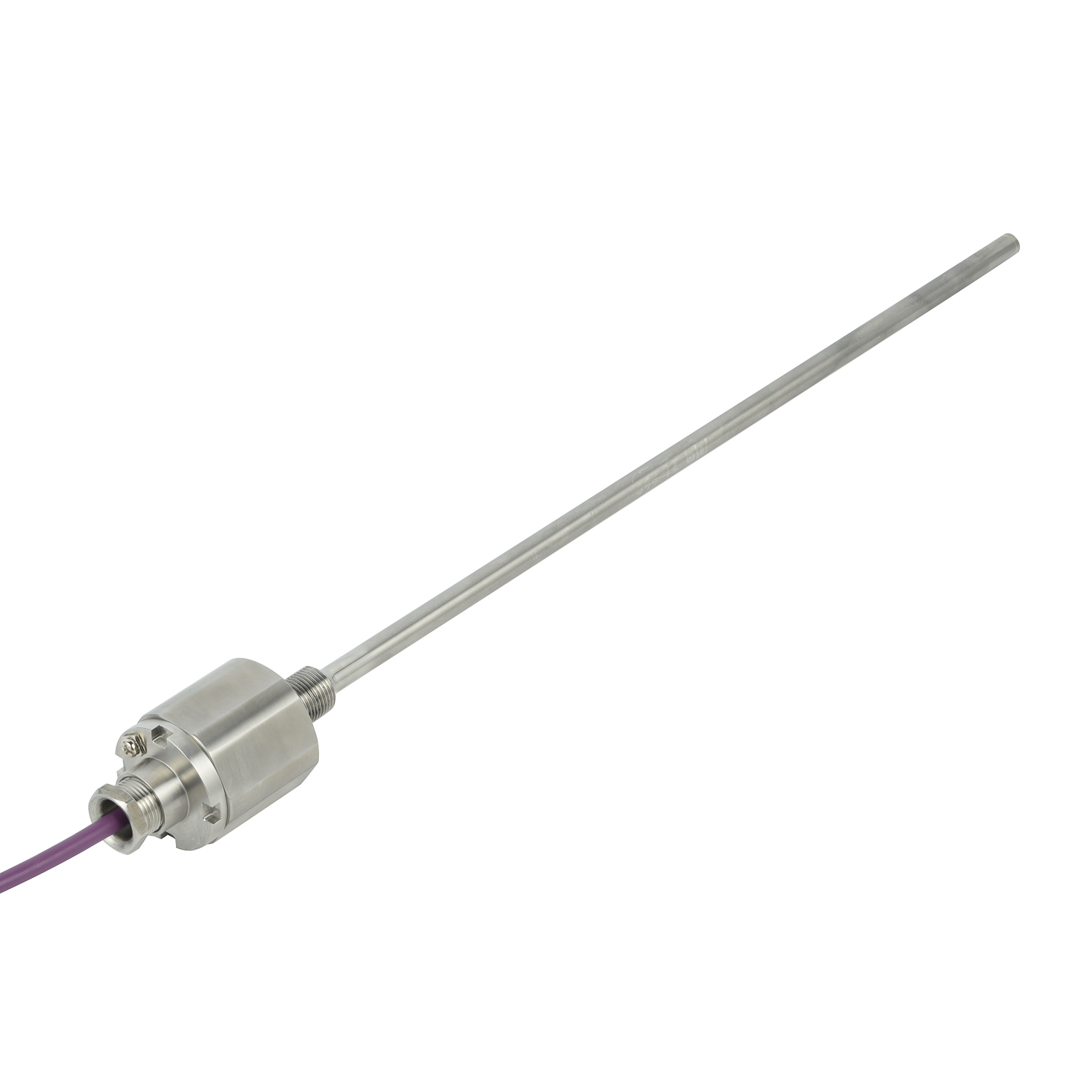
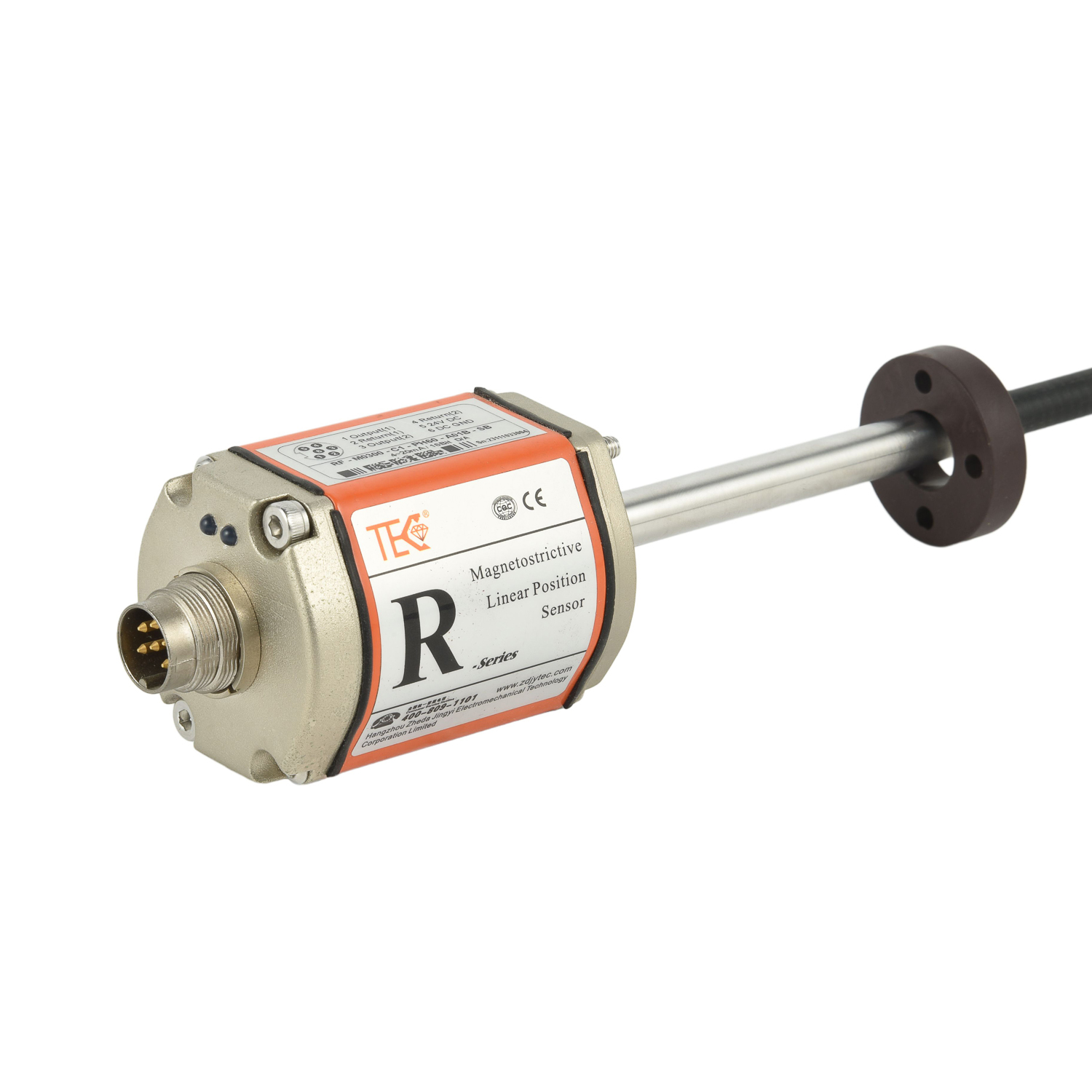 Mining Storage Tank High-tempe
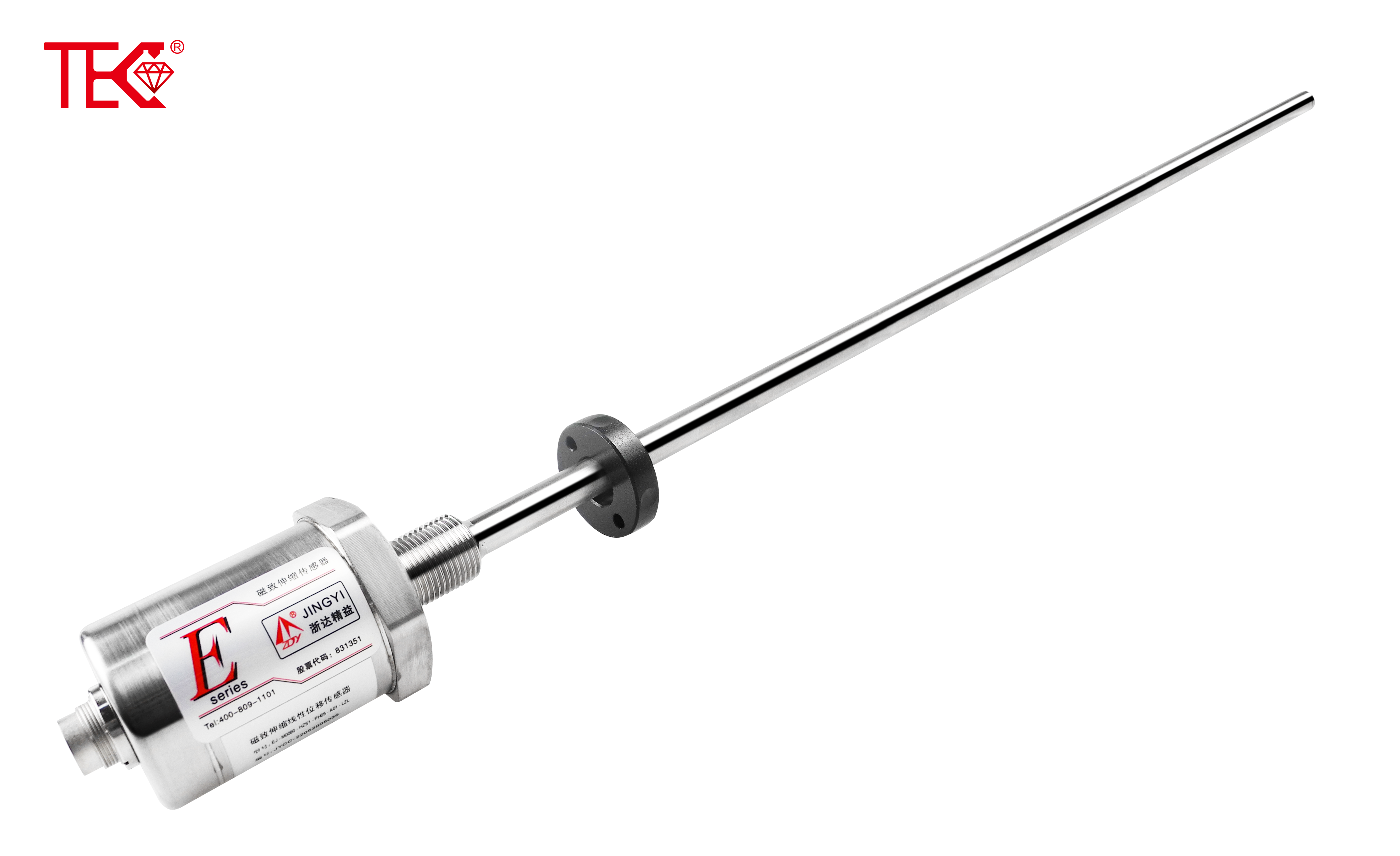 Metallurgy Material Tank Explo
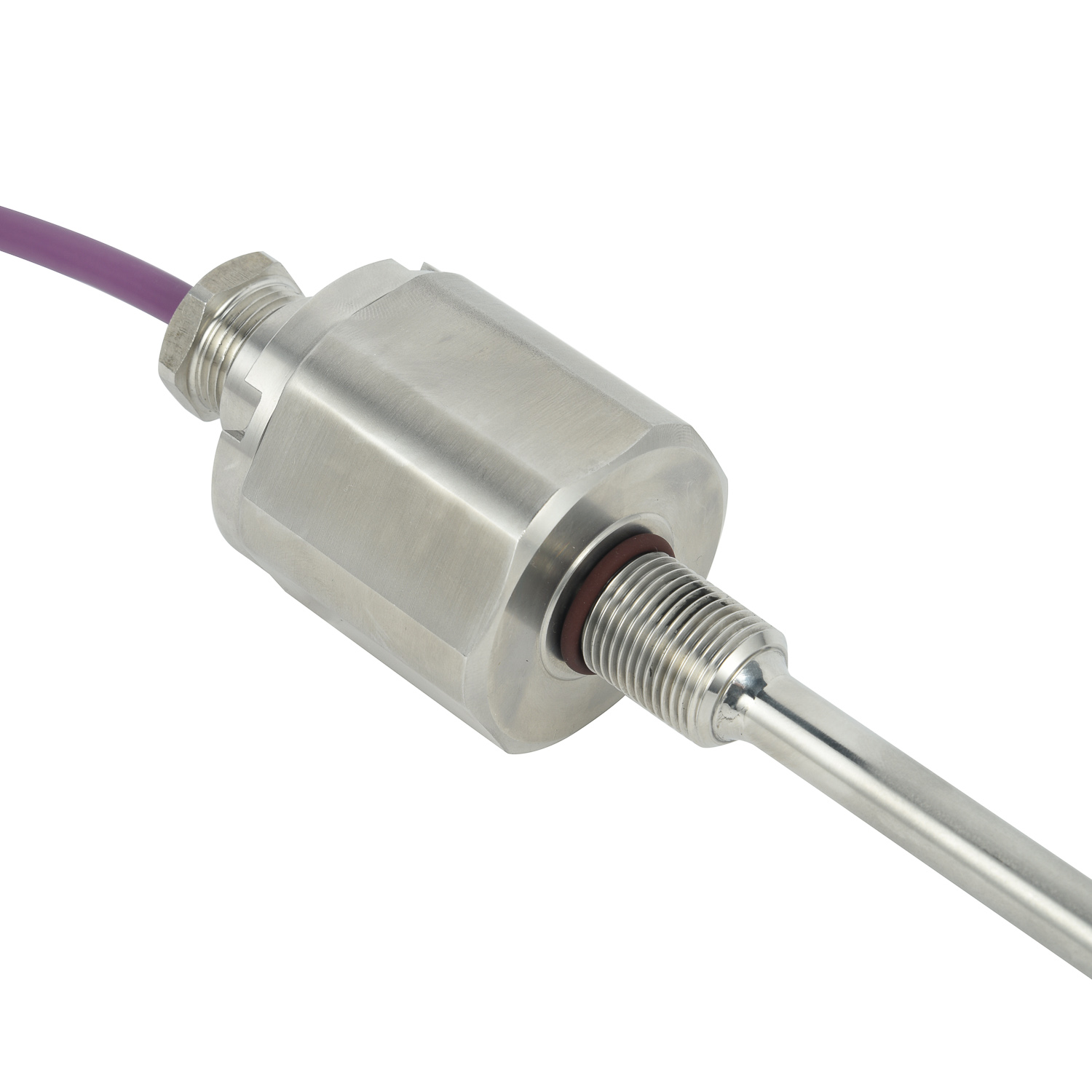 Chemical Industry Corrosion-re
 Power Plant Waterproof Crane a