
Electromagnetic Flowmeter for Cement Industry
In cement plants, reliable flow measurement is essential for raw meal, slurry, cooling water, fuel additives, and wastewater. An electromagnetic flowmeter is a strong choice because it has no moving parts and measures conductive liquids and slurries with minimal pressure loss. For demanding cement applications, select a meter with abrasion-resistant liners such as hard rubber or ceramic, corrosion-resistant electrodes, and a rugged enclosure that handles dust and vibration. A full-bore design prevents blockage and supports stable readings in dense mixtures. Cement slurries can be abrasive and contain high solids, so liner and electrode materials are critical. Flanged sensors with robust coils and stable signal converters keep performance consistent under heavy load. Ensure the process fluid has sufficient conductivity, install the sensor with proper grounding and straight pipe runs, and choose IP68 protection. Features like empty-pipe detection, bidirectional measurement, and HART or Modbus output simplify integration with plant control systems. Confirm flow range, pipe size, pressure, temperature, and conductivity before installation. Routine inspection of liner wear and electrode fouling prevents drift and extends service life. Proper sizing and regular verification help maintain accuracy, reduce downtime, and support energy and material efficiency. With the right configuration, electromagnetic flowmeters deliver dependable performance in cement production, from kiln feed to water management.
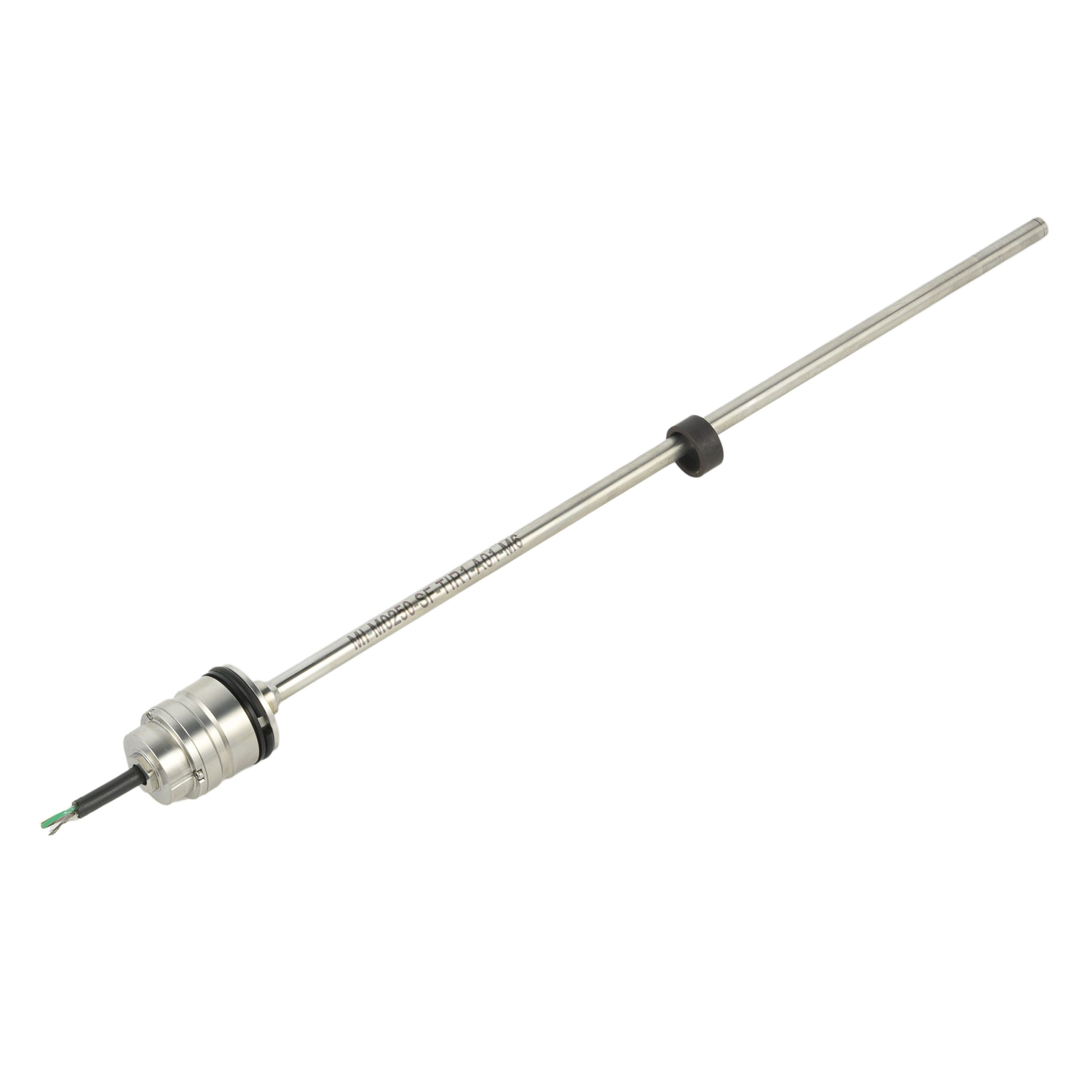
 Explosion-proof Turbine Flowme
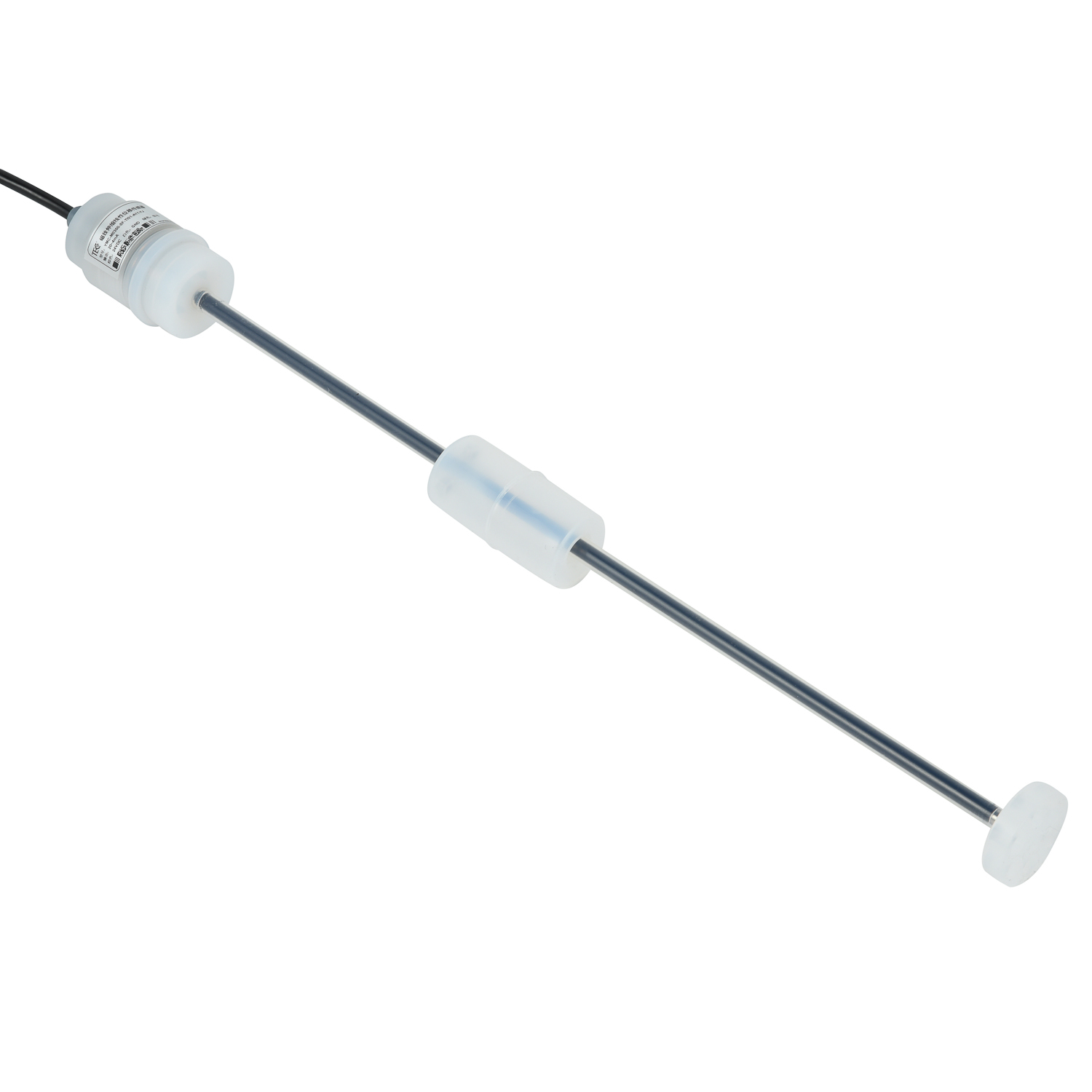 Turbine Flowmeter for Hoists
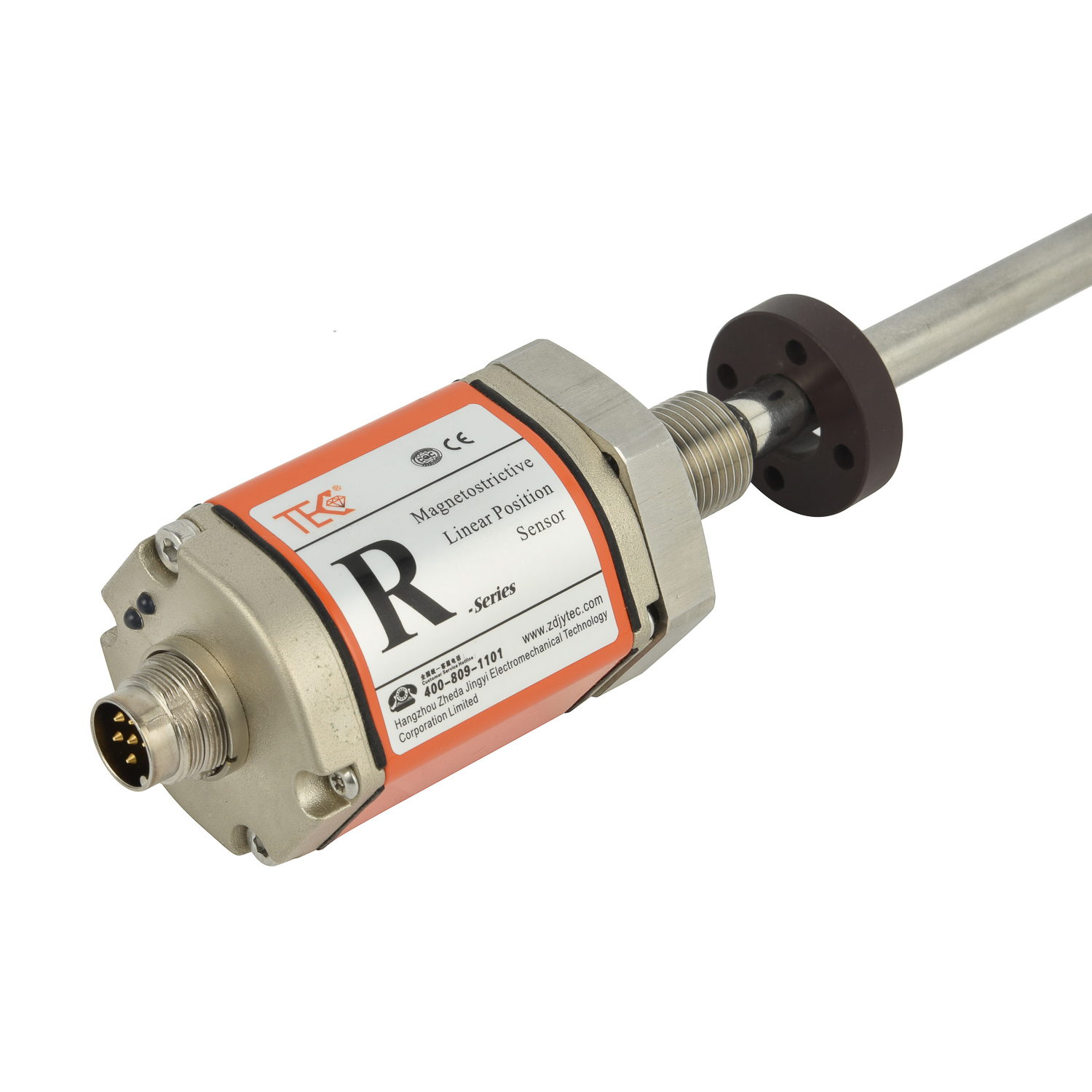 Turbine Flowmeter for Gates
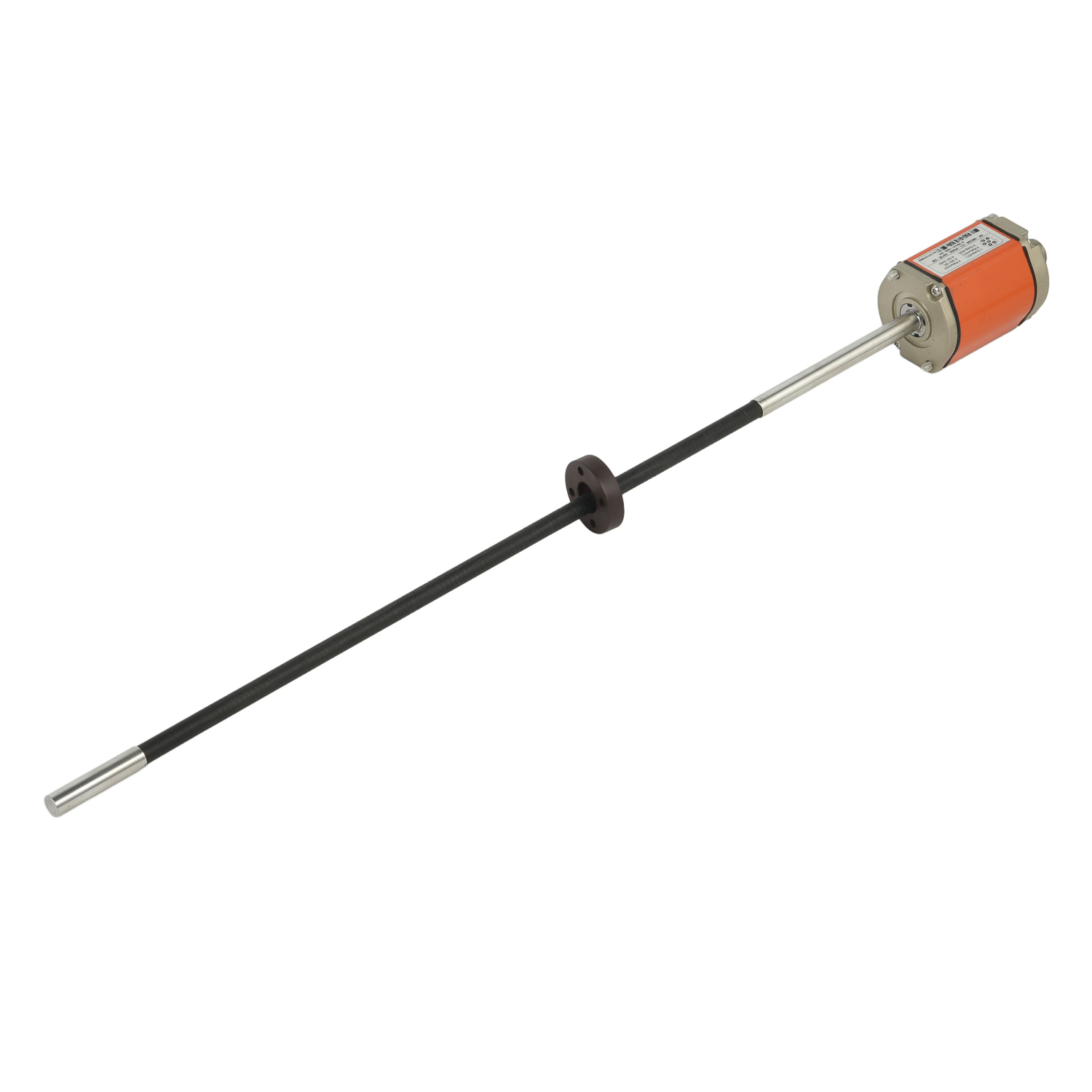 Turbine Flowmeter for Hydrauli