
Power Plant Waterproof Radar Sensor
Power plants operate in demanding environments where moisture, steam, dust, vibration, and corrosive chemicals can quickly damage standard instrumentation. A power plant waterproof radar sensor is designed to maintain accurate, non-contact level and position measurement in these harsh conditions. Its sealed housing and corrosion-resistant antenna protect internal electronics from water ingress, condensation, and high-pressure washdowns, while advanced radar processing filters out foam, steam, and tank obstructions.
These sensors support critical applications such as boiler feedwater tanks, cooling towers, wastewater sumps, chemical storage, and ash handling systems. Typical installations include condensate storage, flue-gas desulfurization pits, fuel oil tanks, chemical dosing areas, and ash silos. The sensor's non-contact design avoids clogging and wear, making it suitable for viscous fluids, slurries, and areas with heavy dust. By delivering reliable readings with minimal maintenance, they reduce downtime, improve safety, and help operators optimize inventory and process control. When selecting a waterproof radar sensor for a power plant, check IP68 protection, temperature range, chemical compatibility, EMI immunity, and certified outputs for SCADA or DCS integration. Rugged communication options simplify SCADA and DCS integration and diagnostics. Proper installation and regular inspection further extend service life and ensure stable performance in continuous power generation.
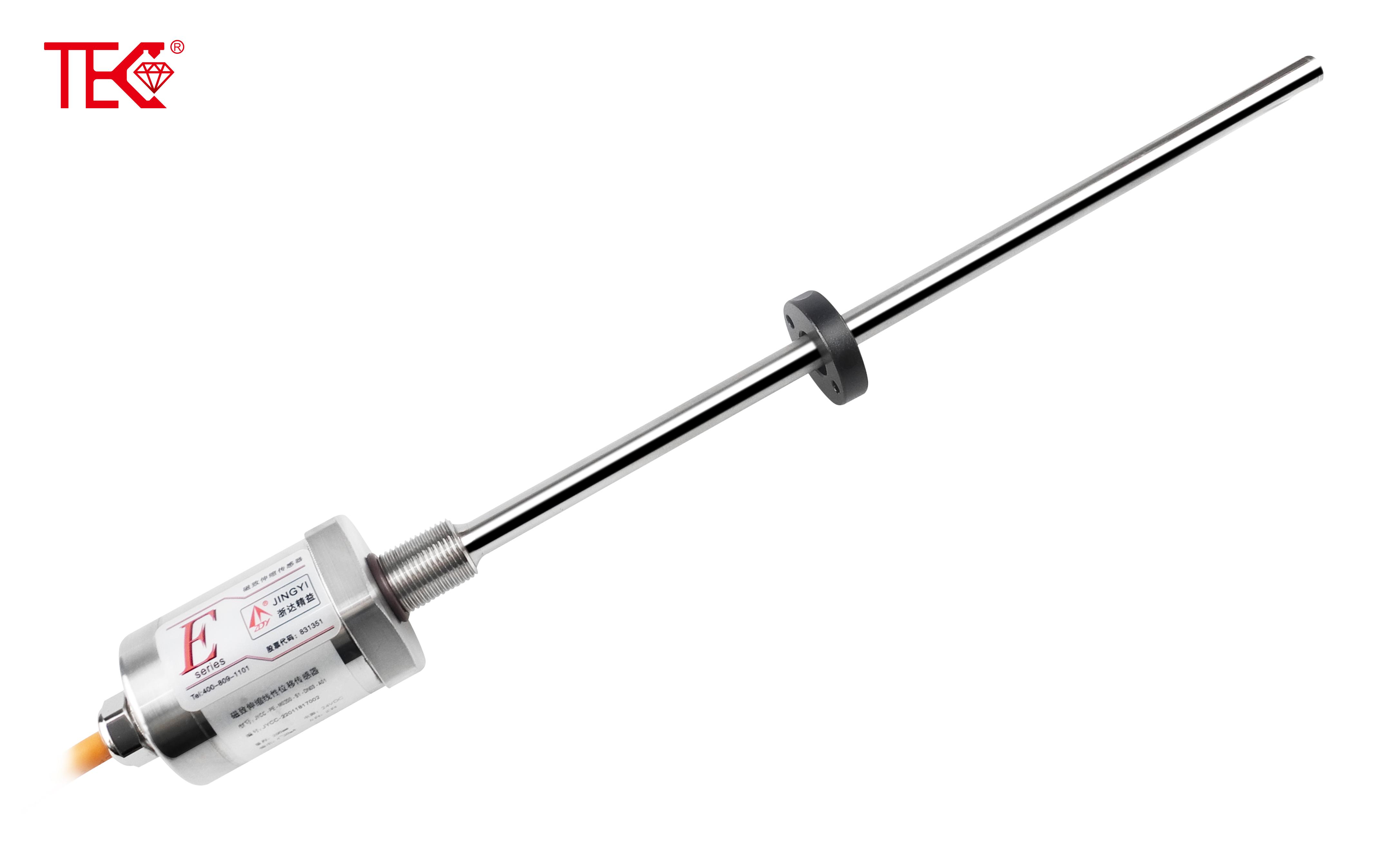
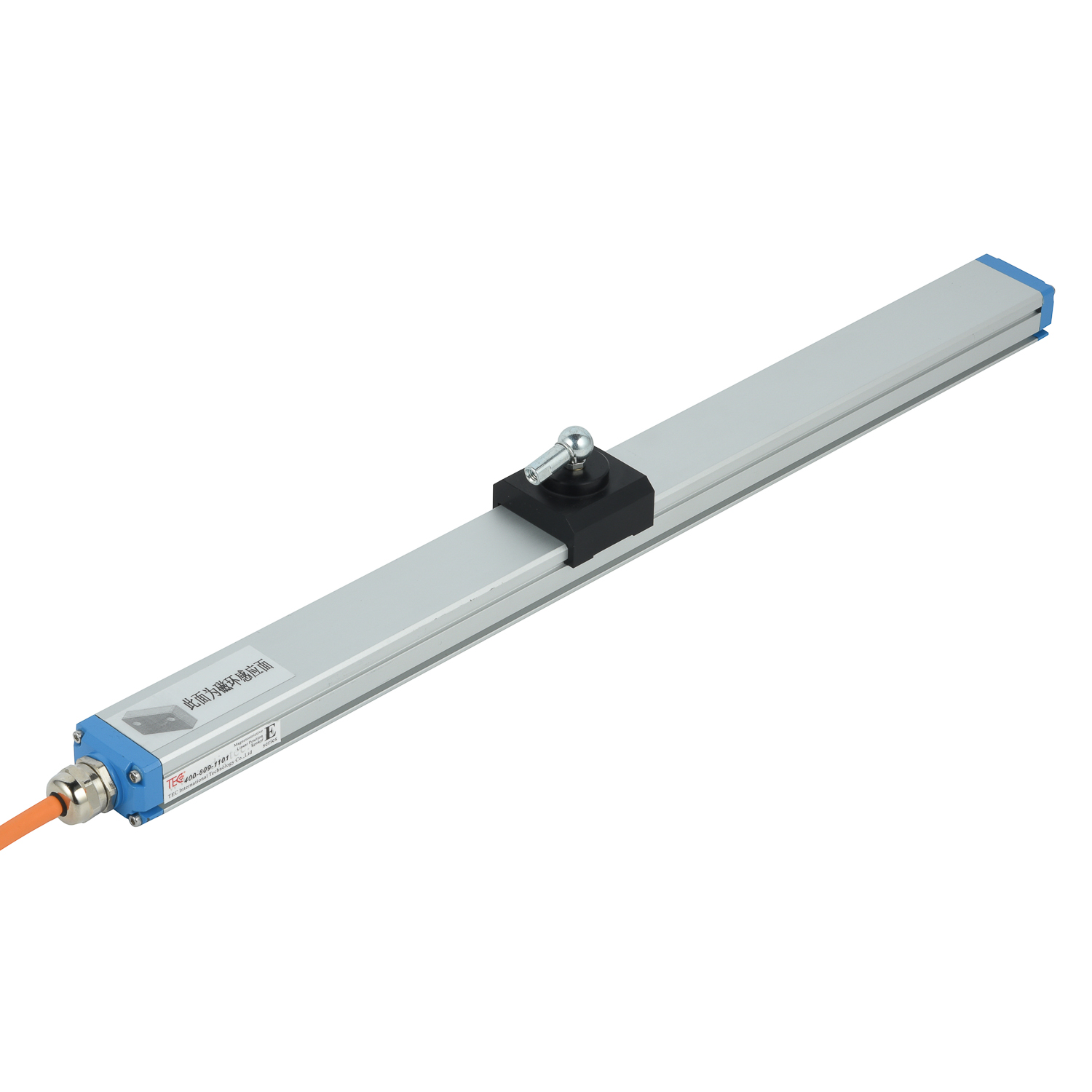 Mining High-temperature Turbin
 Metallurgy Explosion-proof Tur
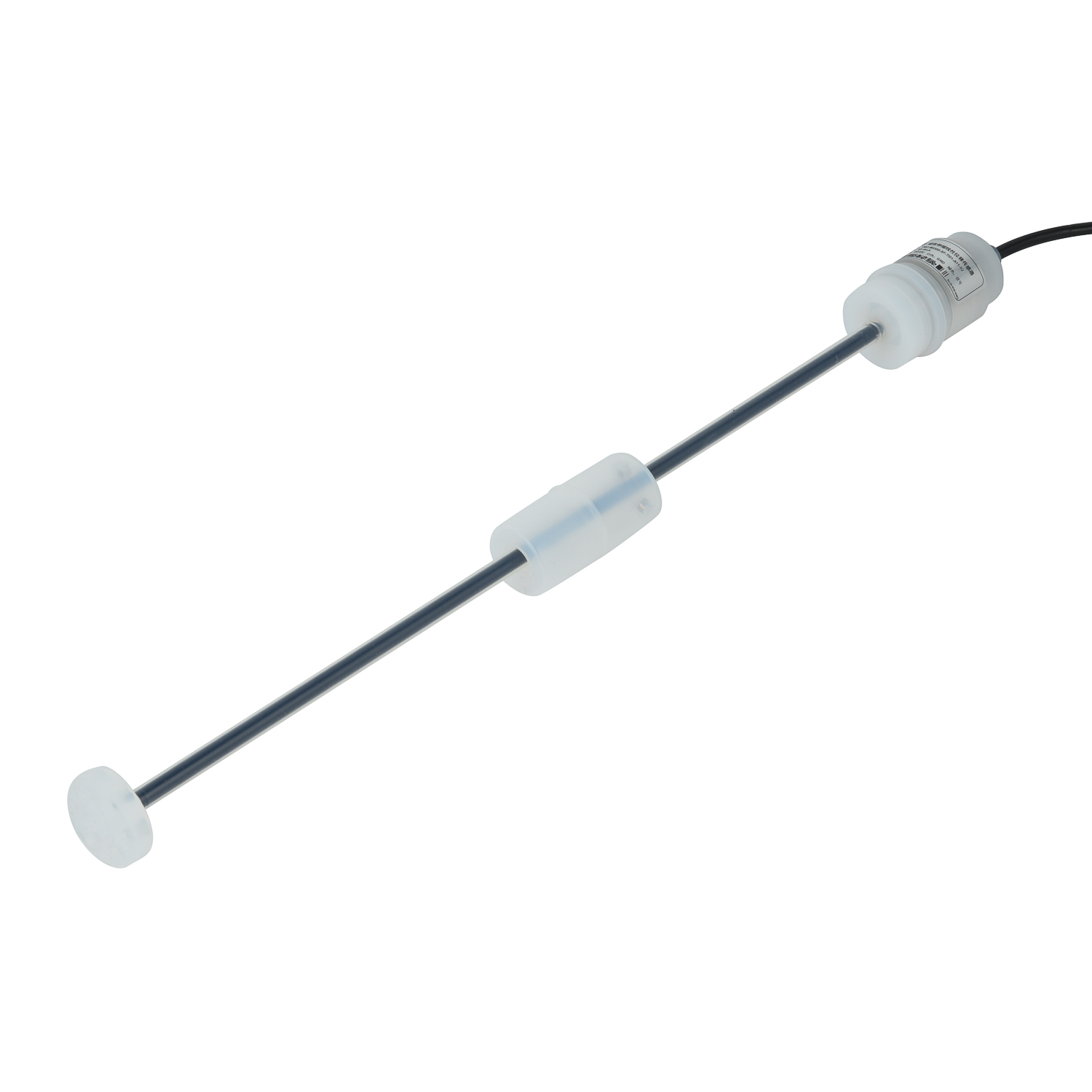 Model and Specification of Cor
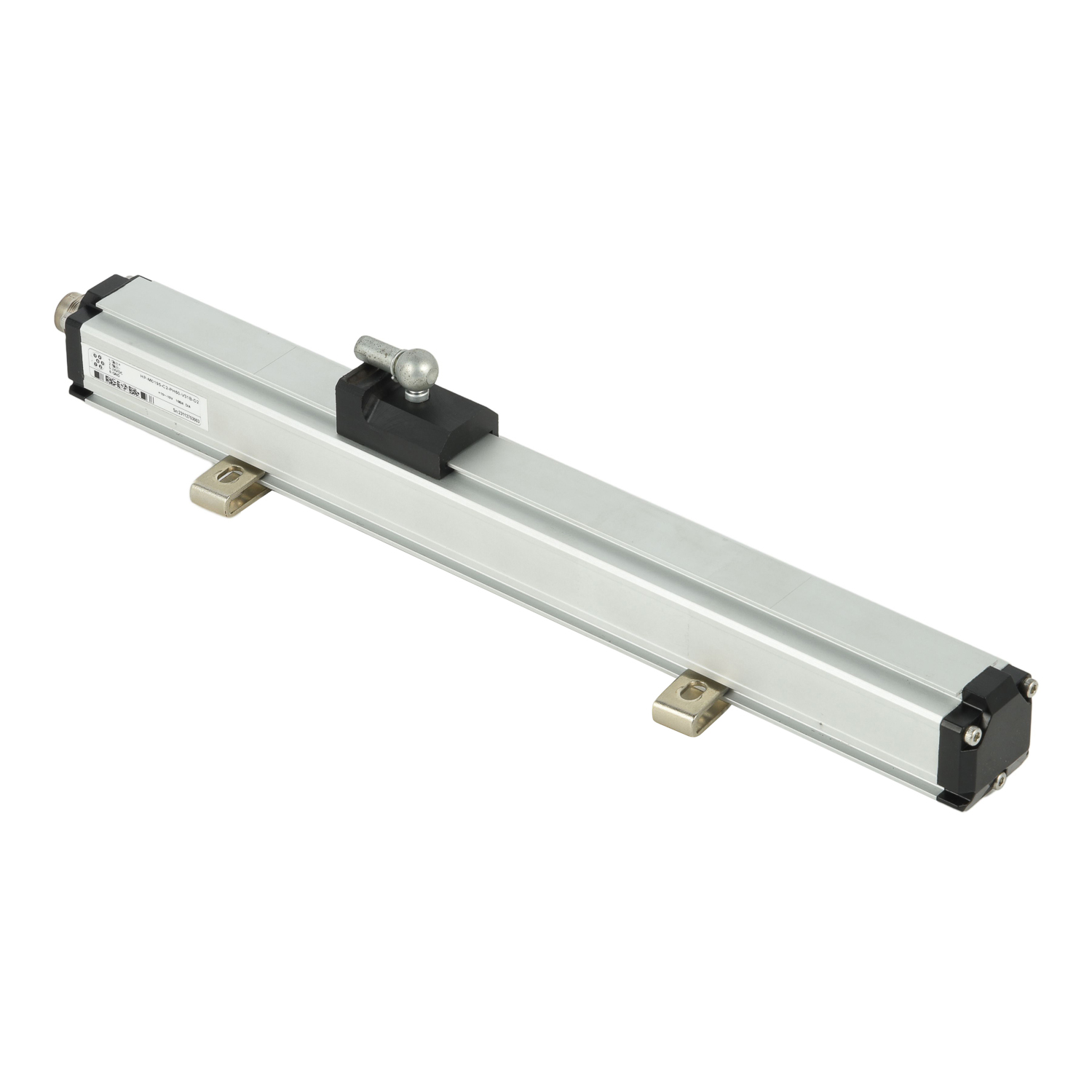 Import Substitute Rod-type Tur