
Technical Parameters of High-temperature Graybus Cable
High-temperature Graybus cables are engineered for reliable power and signal transmission in extreme thermal environments. Their key technical parameters include a continuous operating temperature range from -40°C to +200°C, with short-term peaks up to +250°C. Conductors are commonly stranded tinned copper for oxidation resistance, while insulation uses silicone rubber, PTFE, or mica tape to maintain dielectric strength. Rated voltage is typically 300/500 V or 450/750 V, depending on construction. Insulation resistance exceeds 100 MΩ·km at 20°C, and test voltage is usually 2.0–3.0 kV for one minute. The cable features low smoke, halogen-free properties and flame retardancy meeting IEC 60332-1. Shielding options include tinned copper braid for EMI protection, with coverage above 85%. Operating capacitance and inductance vary by core size; typical capacitance is 80–150 pF/m. Minimum bending radius is 6× outer diameter for fixed installation and 10× for flexing. Jackets are made of heat-resistant silicone or fiberglass braid, offering abrasion and oil resistance. These parameters ensure stable performance in furnaces, steel mills, boilers, and industrial heating systems. Proper selection depends on core count, conductor cross-section, voltage, and installation conditions. Standard constructions may include 2 to 12 cores with conductor sizes from 0.5 mm² to 6.0 mm². Color coding and outer diameter can be customized to suit specific equipment layouts. Custom lengths are available. Fast delivery.
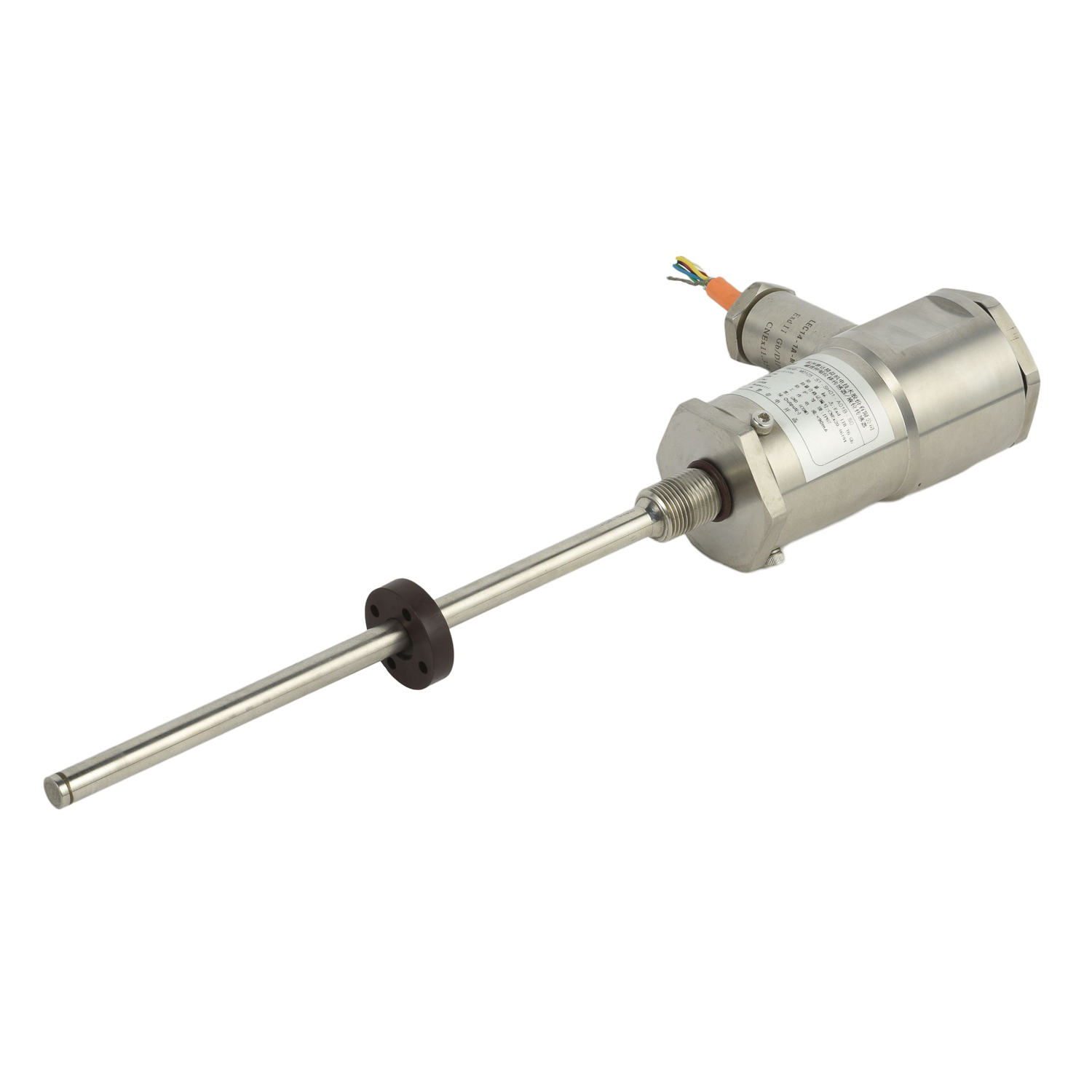
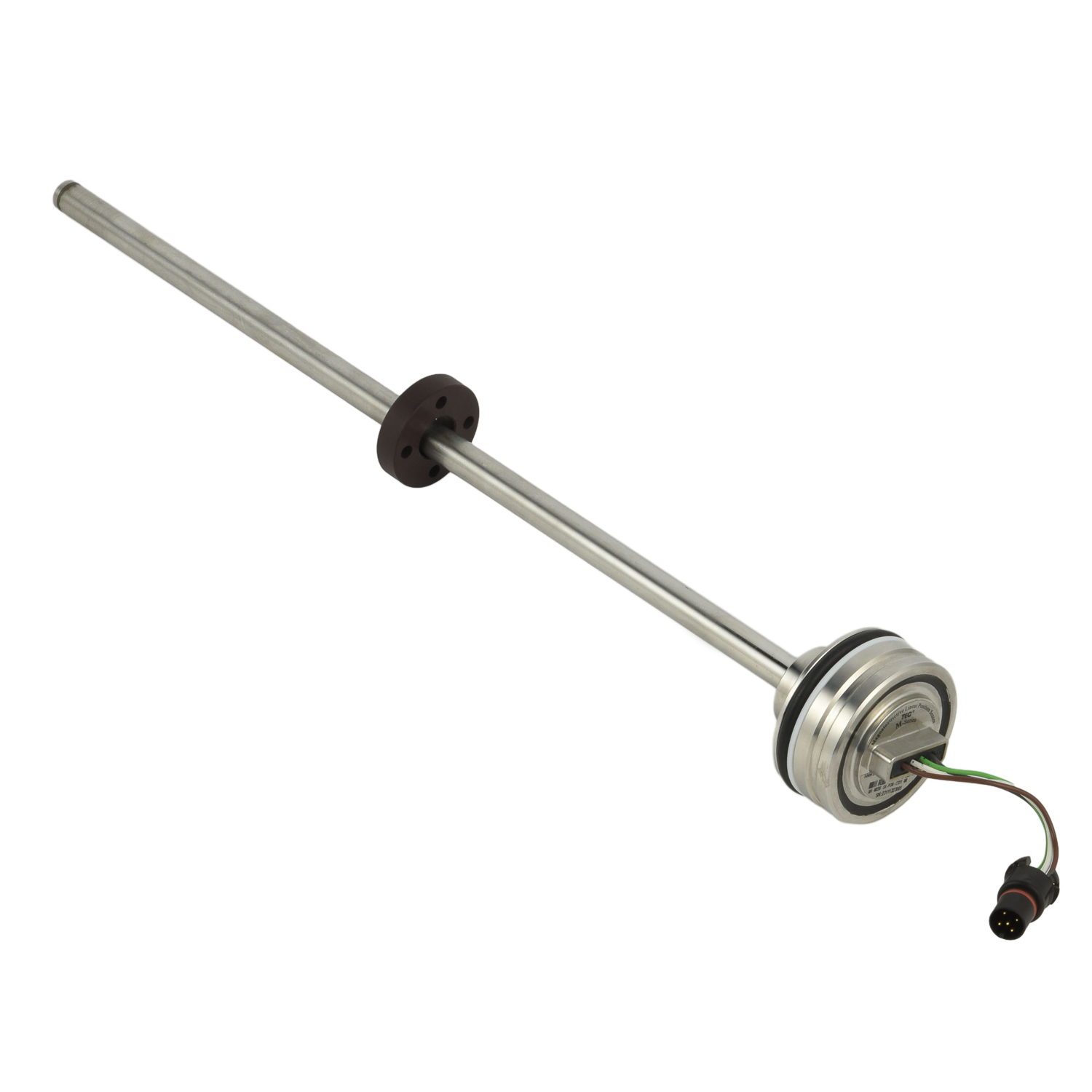 Power Plant Waterproof Graybus
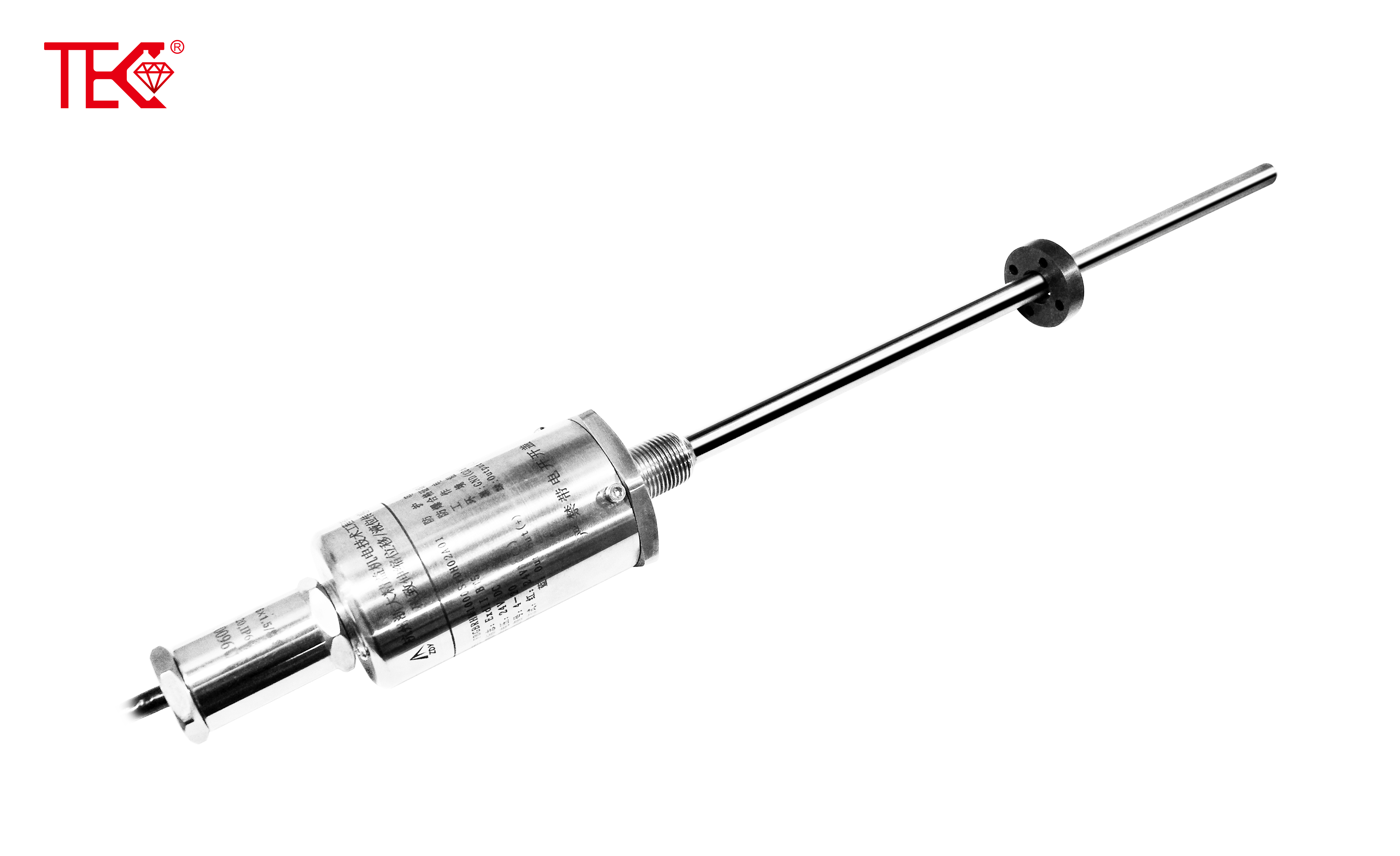 Chemical Industry High-pressur
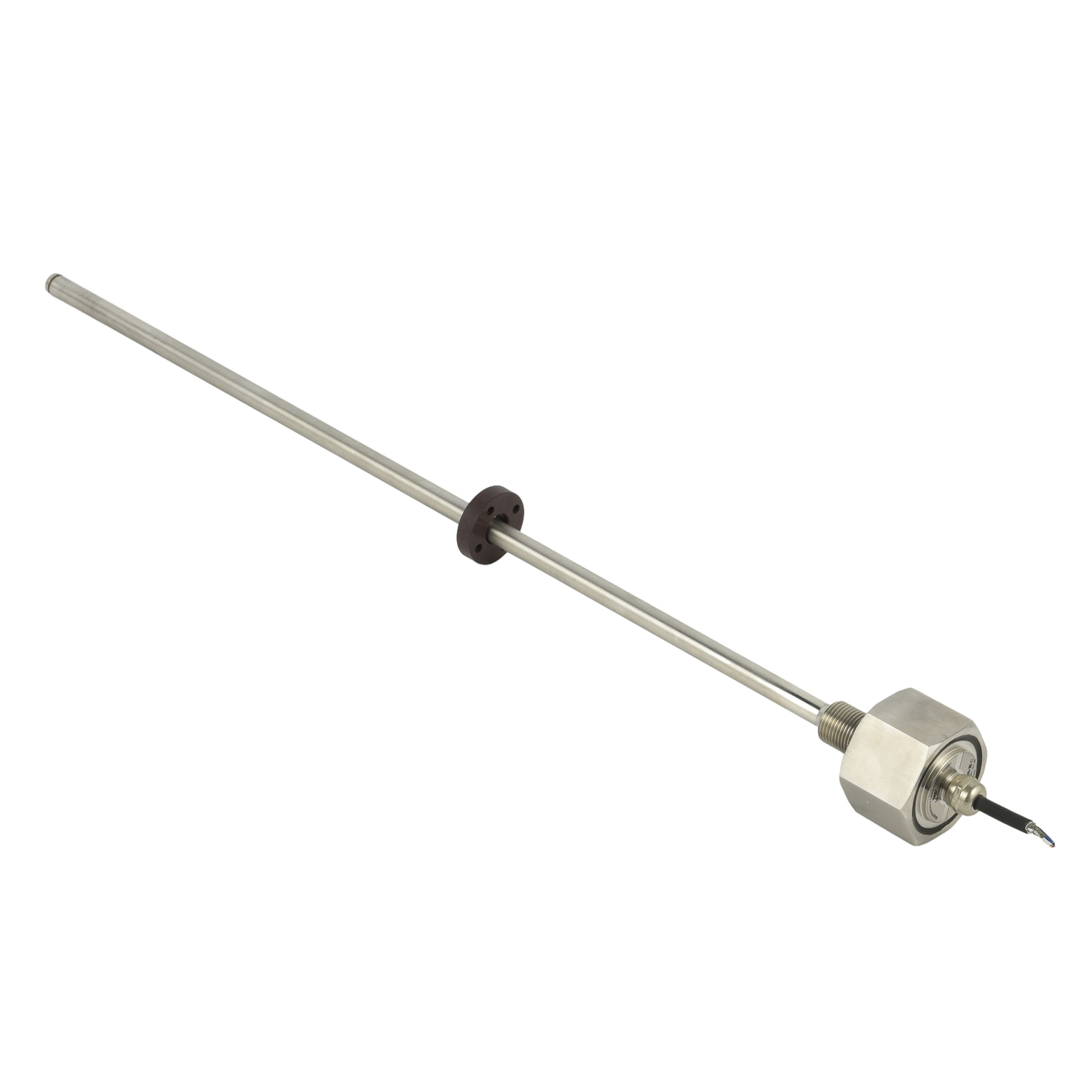 Mining High-temperature Graybu
 Metallurgy Explosion-proof Gra