
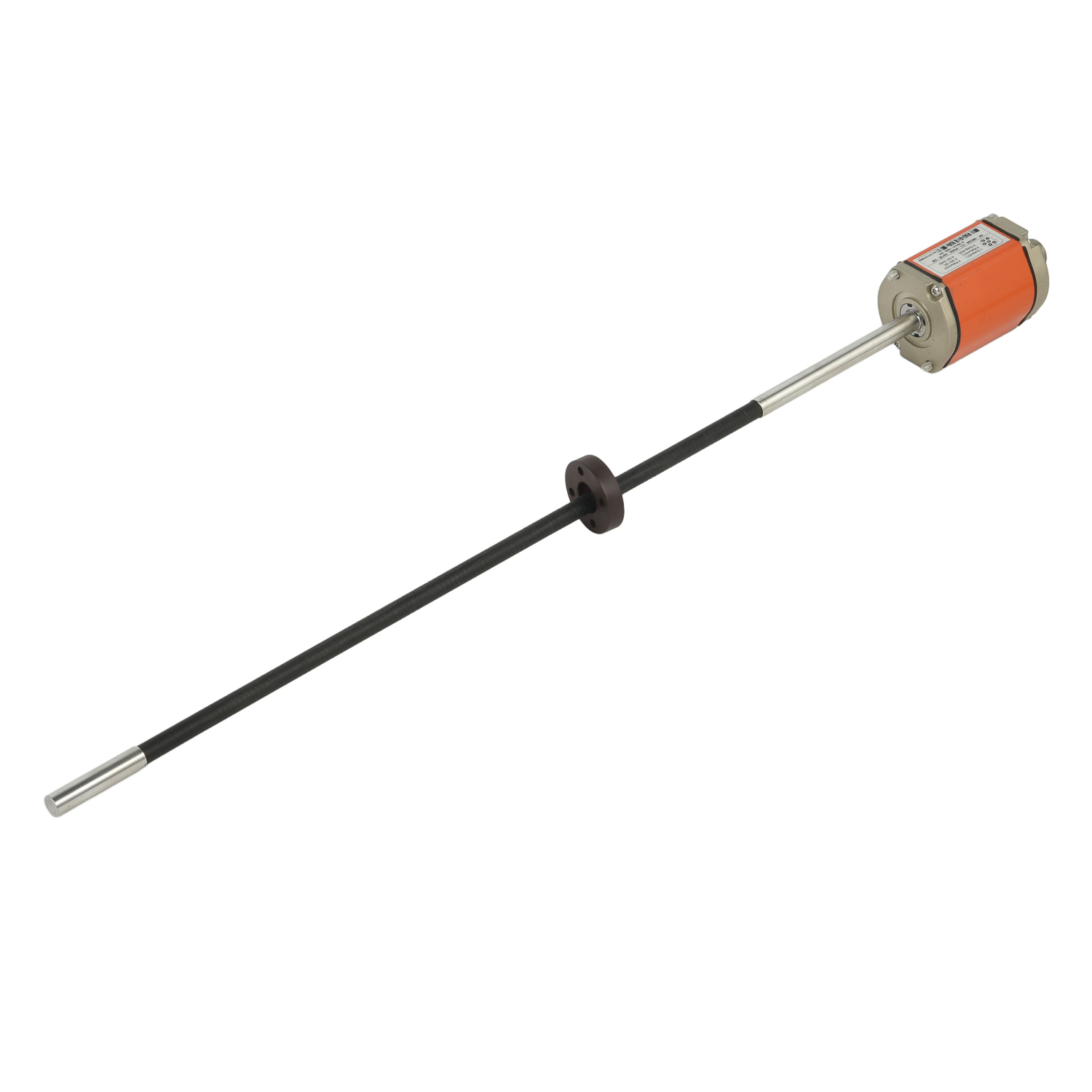
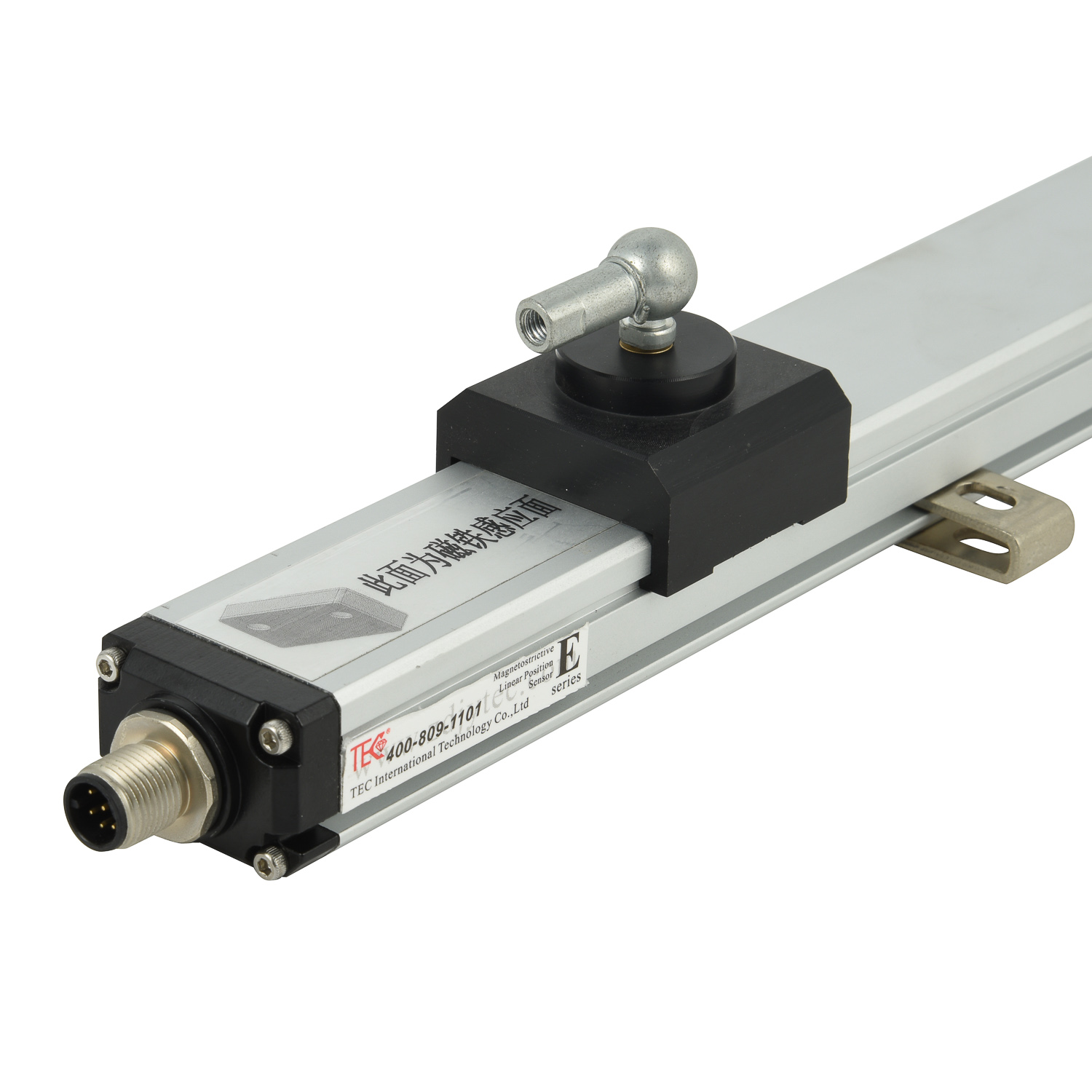
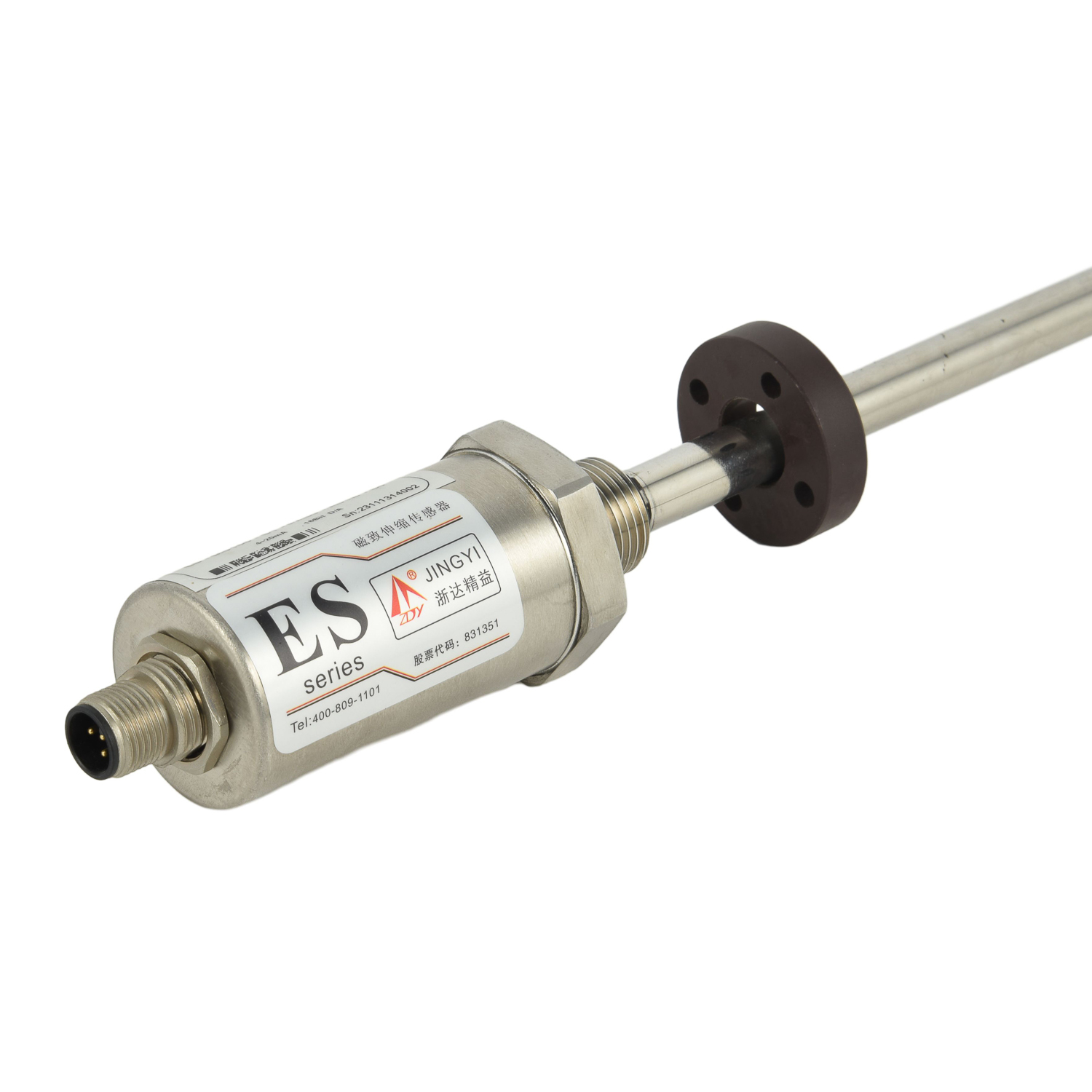
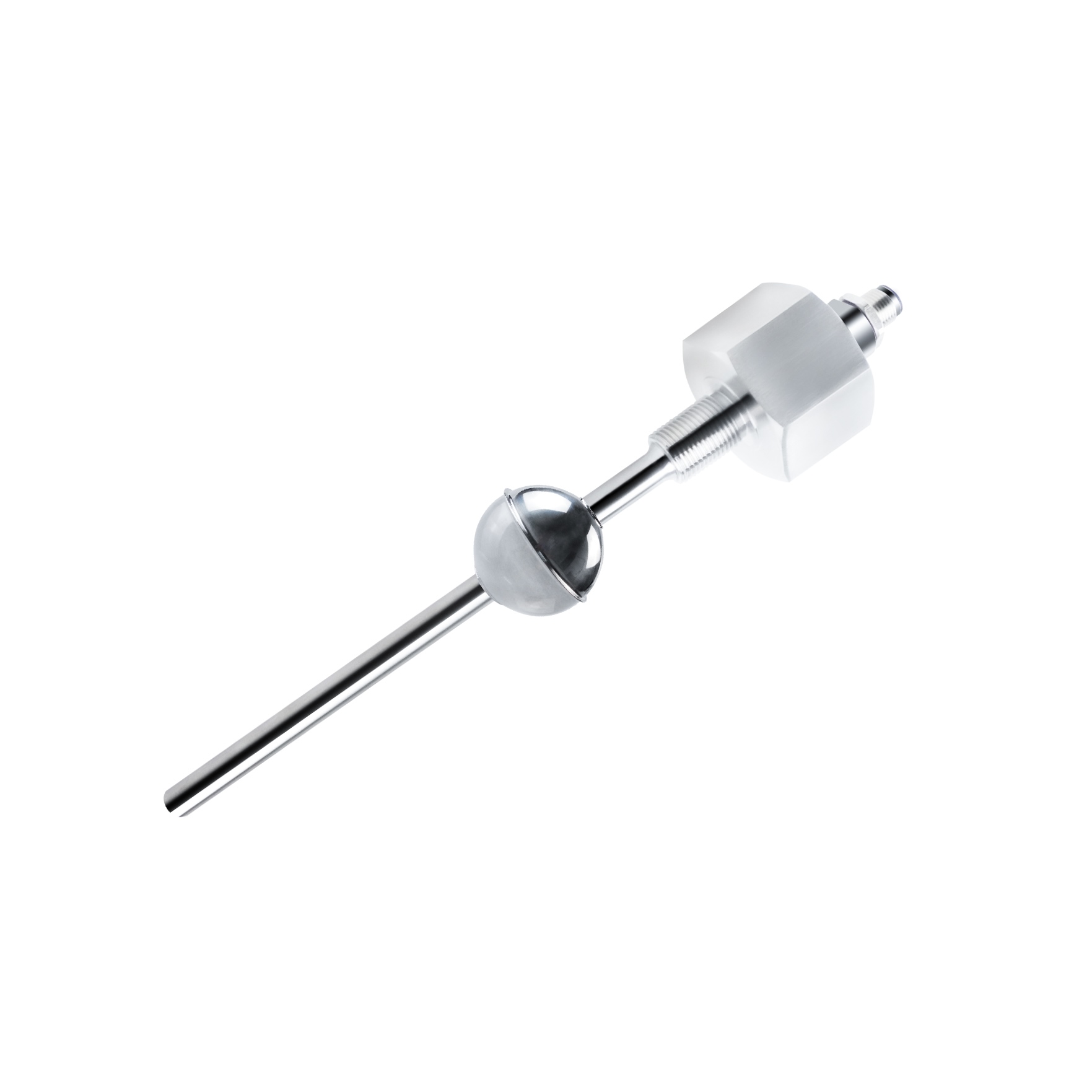
Mixing Station Rod-type LVDT Displacement Sensor
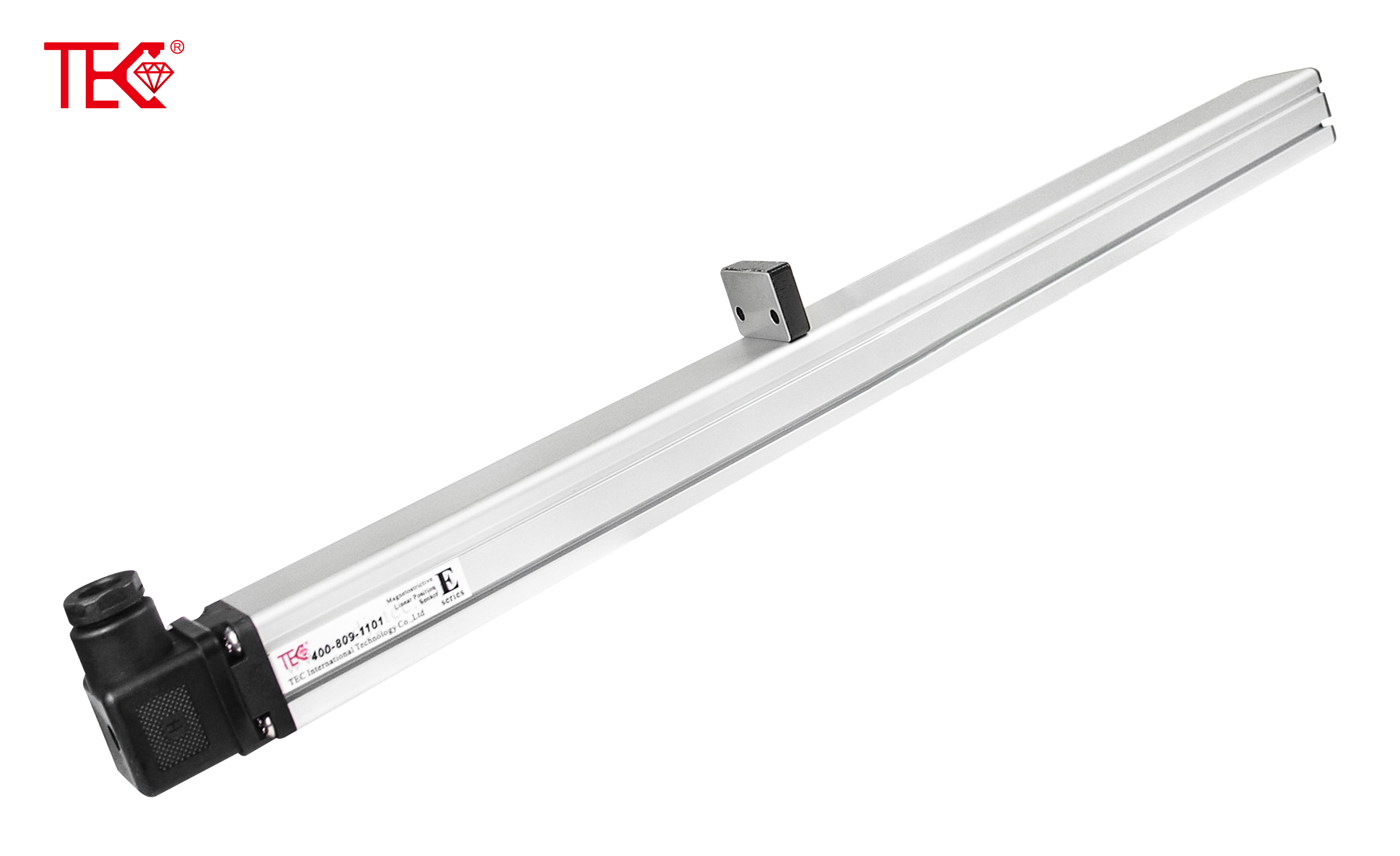
A mixing station relies on precise position feedback to keep feeding, weighing, and discharging smooth. The rod-type LVDT displacement sensor converts linear movement into a proportional electrical signal, allowing the control system to monitor gate opening, hopper travel, and actuator position in real time. Its non-contact sensing design reduces friction and extends service life. The sensor offers high repeatability, good linearity, and stable output under dust, vibration, and temperature changes common in mixing plants. A rugged stainless-steel housing and sealed connector resist moisture and fine particles. Installation is simple: mount the body on a fixed frame and connect the rod to the moving part. Regular inspection of alignment and cable protection helps maintain accuracy. By providing reliable displacement data, the rod-type LVDT improves batching consistency, reduces downtime, and supports automated control in mixing stations. For asphalt, concrete, and dry-mix plants, engineers select a rod-type LVDT with suitable stroke, IP rating, and output signal. Correct wiring and shielding prevent electromagnetic interference from motors and inverters. Calibration at installation ensures the PLC receives accurate position values for gate control, weighing compensation, and safety interlock. Because the sensor has no sliding contact in the sensing area, it handles continuous cycling with low maintenance. A robust mounting bracket and flexible coupling reduce side load and misalignment. When replacement is needed, matching stroke and connector type keeps downtime short. In short, a well-matched rod-type LVDT displacement sensor gives mixing stations reliable measurement, easier maintenance, and steadier production quality.
 Graybus Cable for Grain and Oi
 Graybus Cable for Mixing Stati
 Graybus Cable for Shield Tunne
 Graybus Cable for Injection Mo