
Injection Molding Machine Non-contact LVDT Displacement Sensor
Injection molding machines depend on precise position feedback to repeat clamp, injection, and ejection movements cycle after cycle. A non-contact LVDT displacement sensor provides this feedback without mechanical contact between the sensing core and coil, reducing wear and extending service life in demanding environments.
Unlike contacting devices, an LVDT uses electromagnetic coupling to measure linear displacement. This makes it well suited to injection molding machines, where heat, vibration, oil mist, and continuous motion can quickly degrade conventional sensors. The sensor can monitor mold opening and closing positions, injection screw travel, ejector stroke, and other critical axes with high resolution and excellent repeatability.
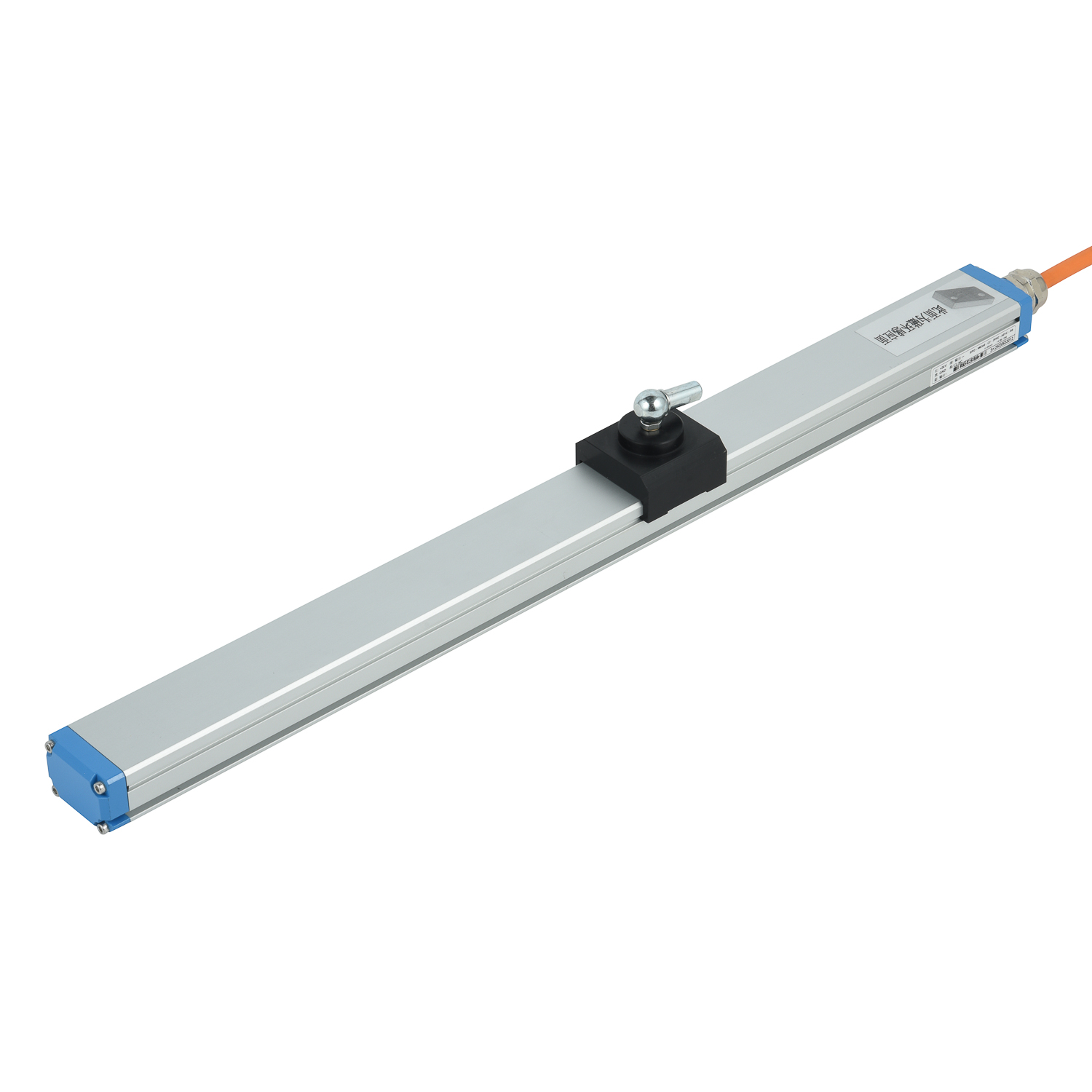
Accurate displacement data supports closed-loop control, helping maintain consistent shot size, clamp force, and part ejection. Better control can reduce rejects, shorten setup time, and improve cycle stability. Because there is no sliding contact, the sensor also minimizes friction and mechanical wear, lowering maintenance and avoiding worn-track signal noise.
For reliable results, users should select a sensor rated for the machine’s stroke, temperature range, and IP protection. Proper mounting, shielding, and cable routing are essential to resist electromagnetic interference and vibration. When installed correctly, non-contact LVDT sensors deliver stable, long-term position measurement that supports higher molding quality and productivity.
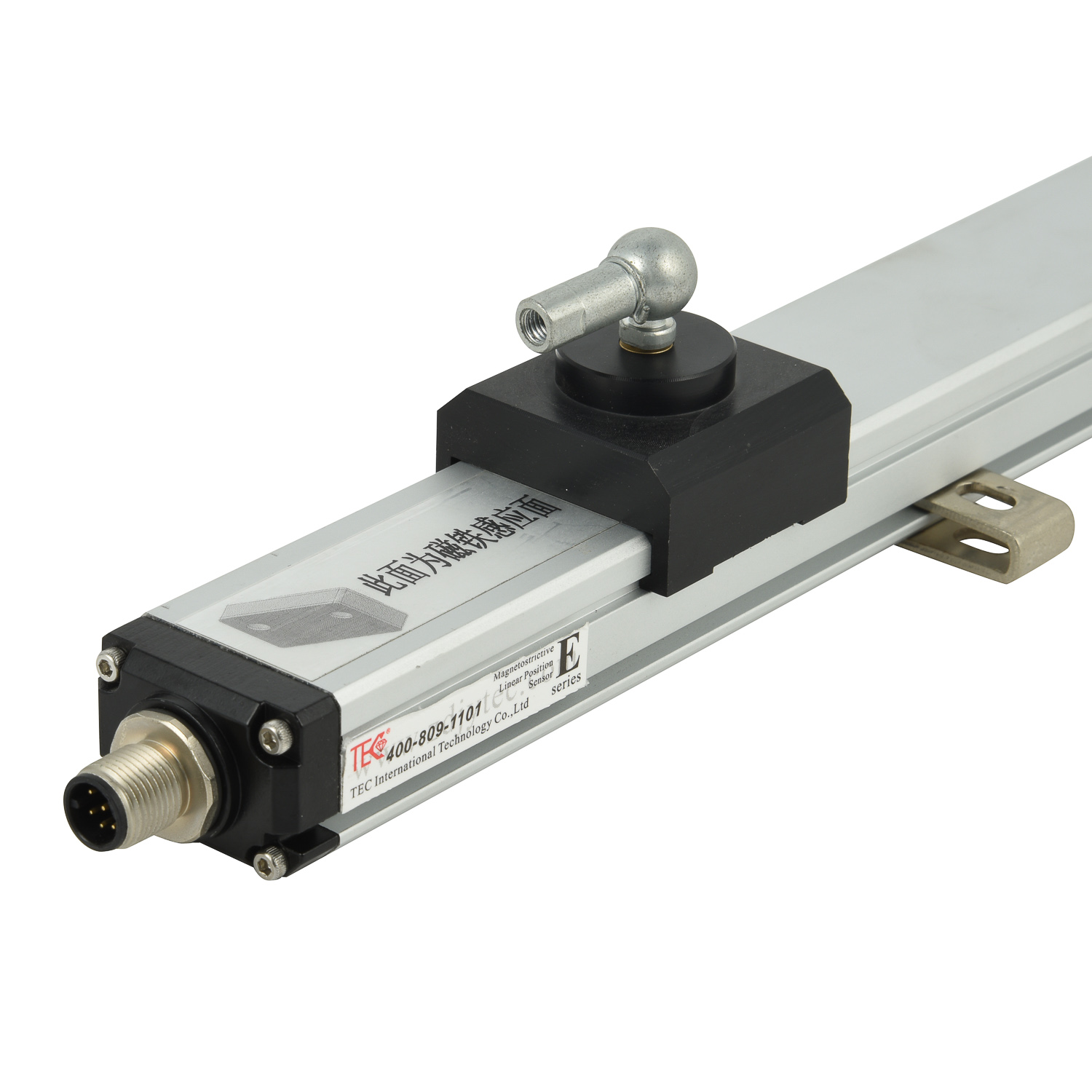 Graybus Cable for Hydraulic Cy
Graybus Cable for Grain and Oi
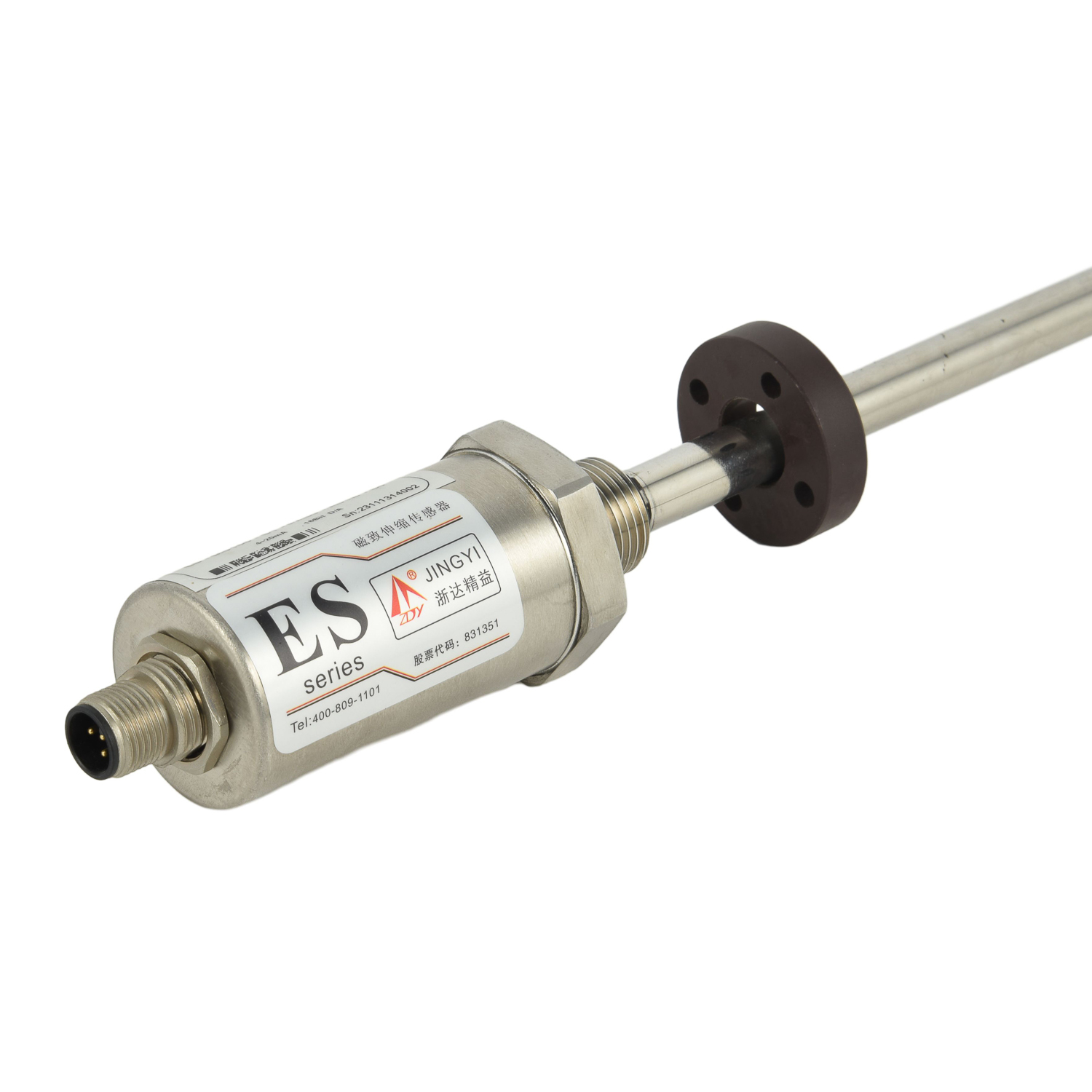 Graybus Cable for Mixing Stati
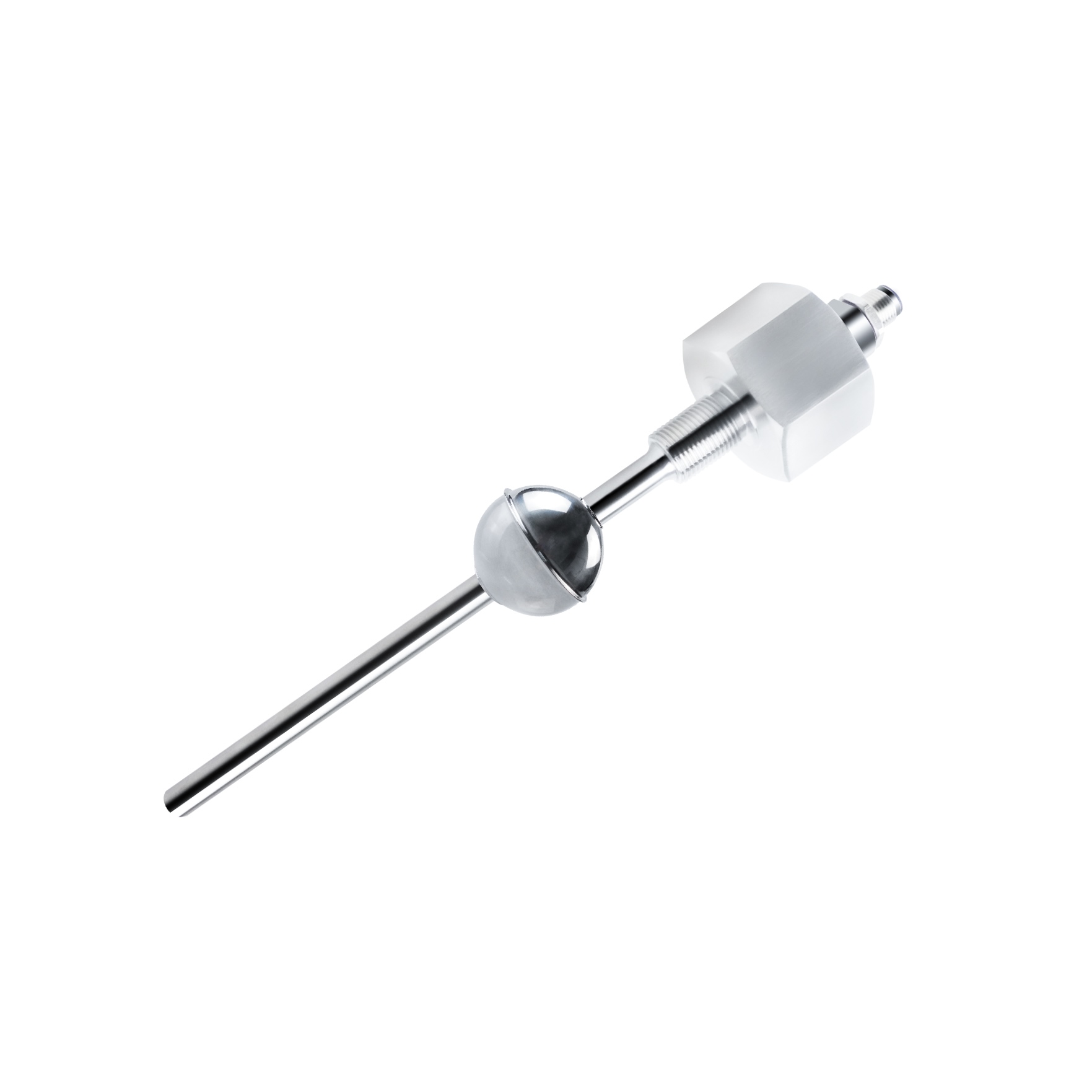 Graybus Cable for Shield Tunne