
Why Choose Magnetostrictive Sensors Over Other Types of Displacement Sensors?
Why Choose Magnetostrictive Over Other Displacement Sensor Types?
In the world of displacement sensors, magnetostrictive sensors stand out for their unique advantages and capabilities. These sensors, which rely on the magnetostrictive effect, offer numerous benefits that make them a preferred choice in various applications.
Firstly, magnetostrictive sensors are non-contact in nature, eliminating the need for physical contact between the sensor and the object being measured. This not only ensures higher accuracy but also reduces wear and tear, resulting in longer sensor life.
Moreover, magnetostrictive sensors are renowned for their high precision and resolution. They can achieve accuracy levels of up to 0.01% of the full scale, with resolutions often reaching 0.01mm or even finer. This level of precision is crucial in applications where minute changes in position need to be detected accurately.
Another significant advantage of magnetostrictive sensors is their ability to handle harsh environments. They are resistant to high pressures, temperatures, and other extreme conditions, making them suitable for use in demanding industrial settings.
Furthermore, magnetostrictive sensors offer a wide measuring range, typically spanning from 80mm to 3000mm or even more. This flexibility allows them to be used in a wide variety of applications, from small-scale precision measurements to large-scale industrial monitoring.
Lastly, magnetostrictive sensors are versatile in terms of output options. They can provide analog or digital outputs, including current, voltage, and digital signals, enabling easy integration with various systems and devices.
In conclusion, magnetostrictive sensors offer numerous advantages over other displacement sensor types, including non-contact measurement, high precision and resolution, durability in harsh environments, a wide measuring range, and versatile output options. These features make them a preferred choice for applications requiring accurate and reliable displacement measurement.
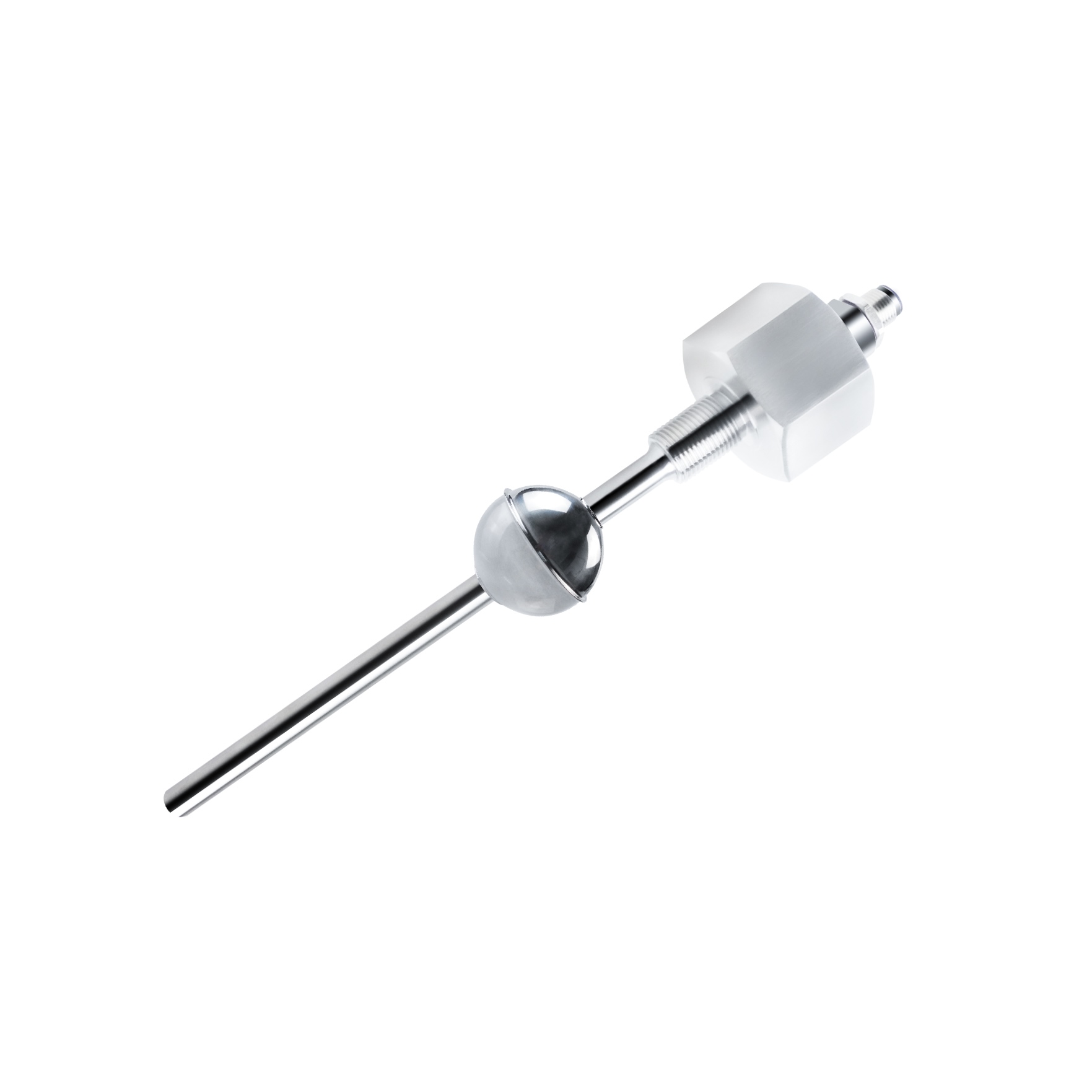 Import Substitute Radar Sensor
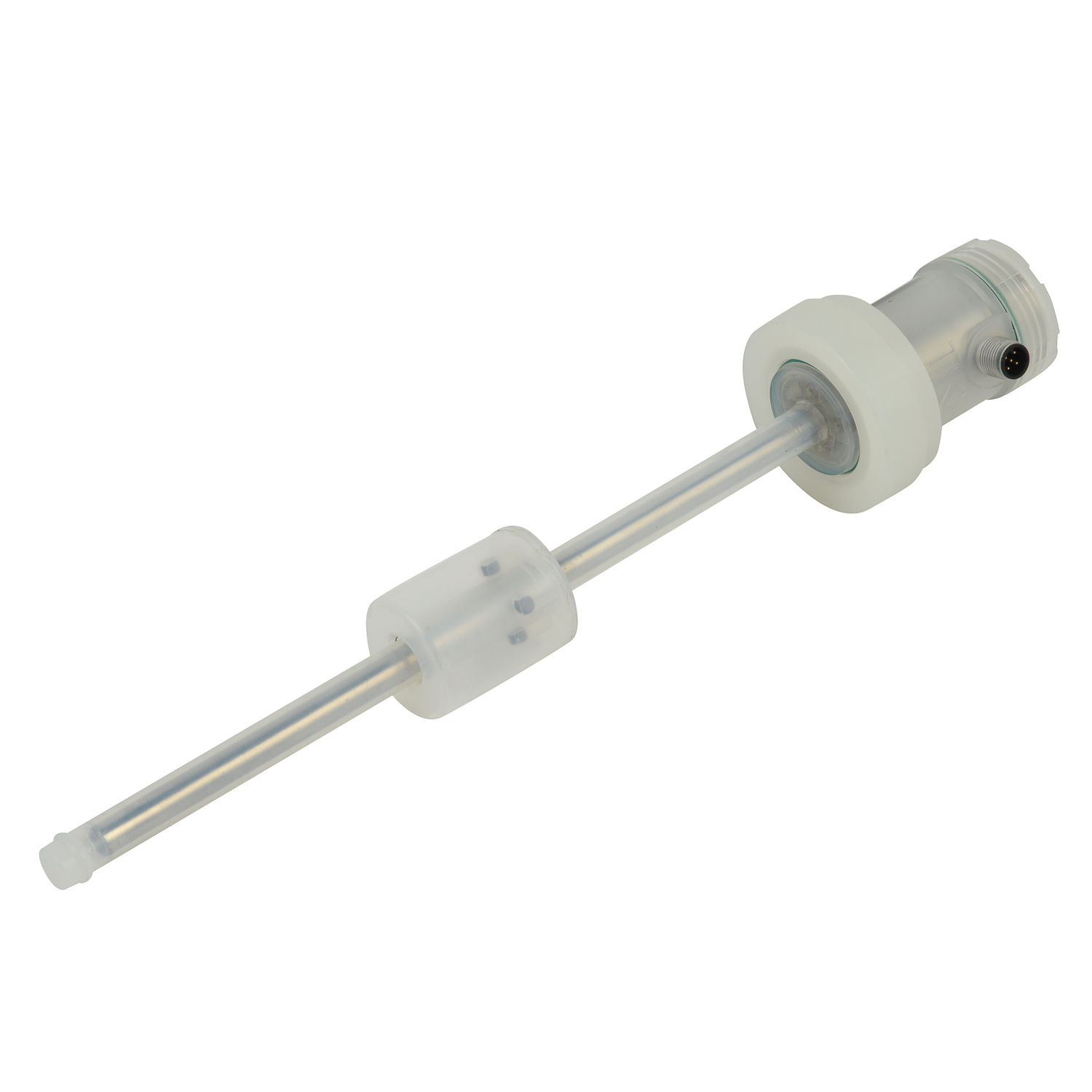 Installation Method of Radar S
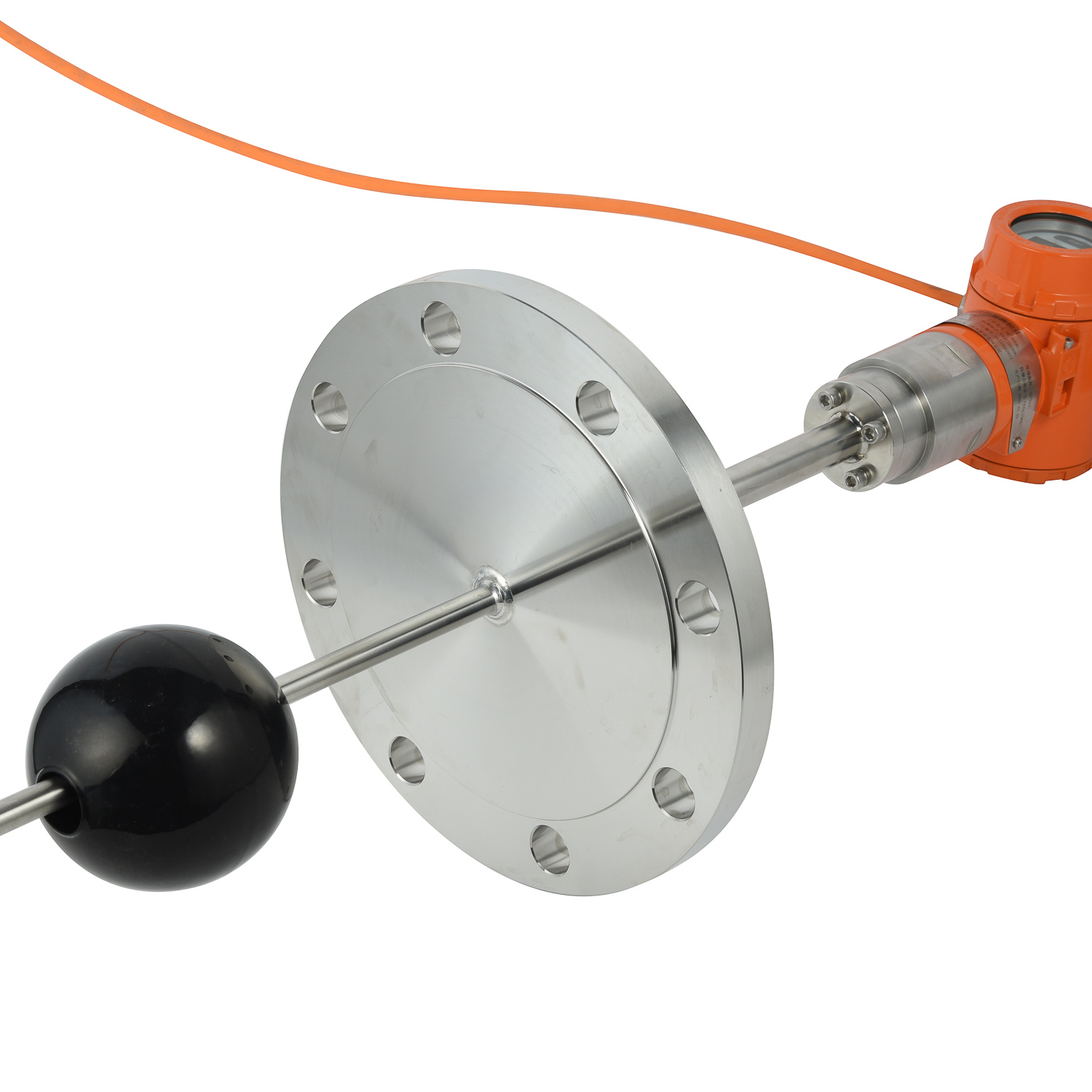 Working Principle of Radar Sen
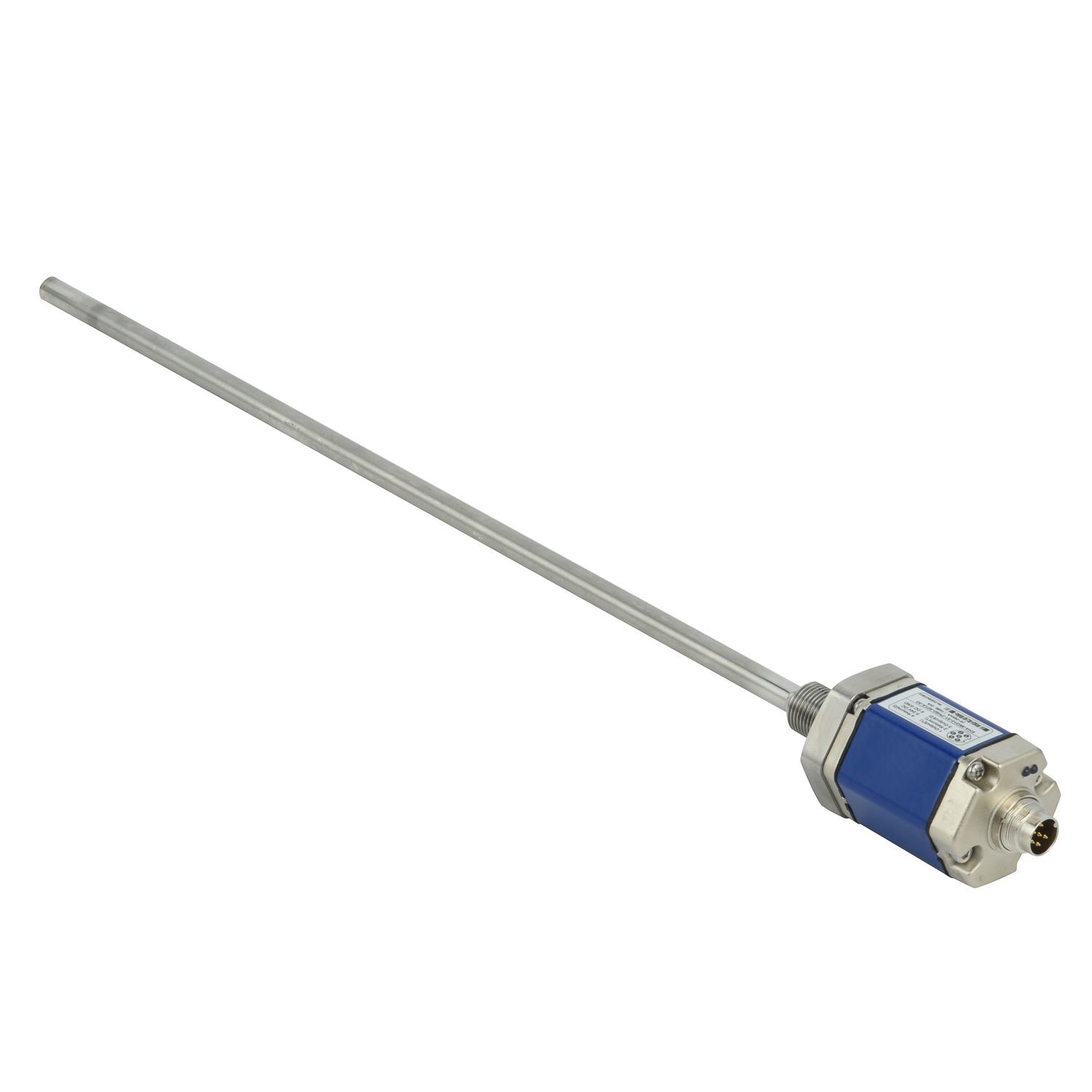 Technical Parameters of Radar